
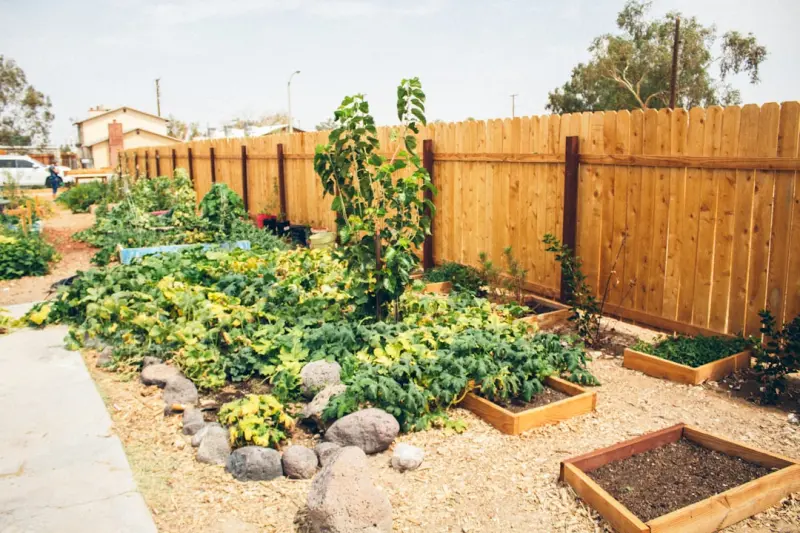
When I first moved into my modest townhouse on the fringe of a bustling Toronto suburb, the tiny balcony garden I inherited felt more like a decorative afterthought than a serious food source. Yet, over the past few years, that modest plot has become a catalyst for something far larger—a neighborhood movement that reimagines how we grow, share, and celebrate food right where we live.
Why Home Gardens Matter in the Canadian Context
Canada’s climate is famously diverse: the crisp, short summers of the Prairies, the milder, rain‑kissed coasts of British Columbia, and the humid, leafy expanses of Ontario. Despite these variations, one constant threads through our seasons—a yearning for fresh, locally‑grown produce that isn’t shrouded in the mystery of long‑distance logistics.
For many urban dwellers, the idea of “eating local” has become synonymous with farmer’s markets and CSA (Community Supported Agriculture) subscriptions. But there’s an emerging counter‑trend that brings the source of food even closer to home: the rise of hobby gardens that evolve into neighbourhood food hubs. These aren’t just decorative planters; they are functional, collaborative ecosystems that supply vegetables, herbs, and even small fruits to families, schools, and local cafés.
From Seed to Shelf: The Journey of a Backyard Harvest
The transformation begins with a seed—literally. A packet of heirloom tomatoes, a handful of kale seedlings, or a row of bush beans. The initial excitement is palpable, but the real magic unfolds when neighbours start swapping cuttings, sharing compost, and coordinating planting calendars. This collaborative approach yields several benefits:
- Extended harvest windows. By staggering sowing dates across multiple households, the community can enjoy fresh produce well beyond the typical two‑week peak.
- Diversity of crops. Different families experiment with varieties that suit their micro‑climates, creating a collective pantry richer than any single plot could achieve.
- Reduced waste. Surplus produce finds a home in neighbor’s kitchens, rather than ending up in the trash.
Beyond the tangible food output, these mini‑hubs nurture social bonds. Seasonal gardening parties, seed‑saving workshops, and “produce swaps” become regular fixtures, turning what might have been solitary hobby time into vibrant community rituals.
Technology Meets Soil: Modern Tools for the Modern Gardener
While the ethos of backyard gardening is rooted in tradition, today’s gardeners aren’t shying away from technology. A growing number of Canadians are embracing low‑cost sensors that monitor soil moisture, temperature, and pH. These devices, often connected to smartphones via simple apps, provide real‑time feedback that helps novice growers avoid over‑watering or under‑feeding.
For a deeper dive into how technology is reshaping agriculture at scale, check out how Canadian farmers are turning sensors into community power. The principles that guide large‑scale farms are increasingly being adapted for the backyard, democratizing data that once lived only in research labs.
Another tech‑savvy trend is the shared‑ownership model for larger equipment. Not everyone can afford a high‑quality compost tumbler or a small electric tiller, but by tapping into a neighborhood resource pool—often organized through local tool libraries and shared workshops—gardening enthusiasts can access the tools they need without the upfront cost.
Community Connections Without the Buzzword
It’s easy to get lost in the jargon of “community‑driven” or “collective action,” but the heart of this movement is simpler: neighbours helping neighbours. The difference lies in the focus. Instead of formalized programs led by municipal bodies, these food hubs often arise organically, sparked by a single resident’s curiosity.
Take the example of a modest block in Halifax’s North End. A retired schoolteacher began sharing her surplus carrots with the family next door. Within months, a WhatsApp group formed, allowing residents to announce what they were planting, what they needed, and when they were ready to trade. By the end of the first season, the block was producing enough greens to supply a local café’s “garden‑to‑table” menu on weekdays.
This type of grassroots exchange bypasses the bureaucracy that can sometimes stall larger initiatives. It’s flexible, responsive, and deeply rooted in the lived experience of the participants.
Challenges and Tips for Aspiring Backyard Food Hub Creators
While the benefits are compelling, turning a personal garden into a neighbourhood hub isn’t without its hurdles. Below are common challenges and pragmatic solutions that have emerged across the country.
- Space constraints. Not everyone has a backyard. Solutions include vertical gardening, container farms on balconies, and community garden plots that act as shared “satellite” sites.
- Regulatory concerns. Some municipalities have bylaws that limit the sale of home‑grown produce. The safest route is to keep exchanges informal—gift, swap, or barter—rather than commercial transactions.
- Pest management. Integrated pest management (IPM) practices, such as companion planting and natural predators, can keep bugs at bay without resorting to chemicals that could affect neighbours.
- Seasonality. In colder regions, extending the growing season with cold frames, hoop houses, or even indoor grow lights can keep the hub active year‑round.
- Knowledge gaps. Organize skill‑share evenings where experienced gardeners demonstrate pruning techniques, seed saving, or compost building. Online forums and local university extension programs are also valuable resources.
Looking Ahead: The Future Landscape of Canadian Home Food Hubs
As climate awareness deepens and supply‑chain disruptions remind us of our reliance on distant producers, the appeal of locally sourced food will only intensify. The next wave of backyard food hubs will likely incorporate three emerging dynamics:
- Hybrid indoor‑outdoor systems. Combining rooftop greenhouse modules with traditional soil beds can maximize output in dense urban environments.
- Data‑driven micro‑farming. The same sensor data that informs large farms will be packaged into user‑friendly dashboards for hobby growers, optimizing yields and reducing waste.
- Micro‑economies. As trust builds, neighbourhoods may develop a modest “produce credit” system, allowing surplus harvests to be exchanged for other goods or services, further strengthening local resilience.
Ultimately, the power of these hubs lies not just in the carrots and kale they produce, but in the relationships they cultivate. When neighbours gather to tend soil, they are also cultivating a shared sense of purpose—a quiet, steadfast response to the challenges of modern living.
So, whether you’re a seasoned horticulturist or a curious novice with a single windowsill, consider the ripple effect of your green thumb. One seed can spark a conversation, one harvest can feed a family, and together, a cluster of humble gardens can transform a neighbourhood into a thriving, self‑sustaining food ecosystem.

Related Posts

How to Transform Your Canadian Yard into a Four‑Season Sanctuary
Learn how to reshape your Canadian yard into a vibrant, all‑season retreat with budget‑friendly ... Read More

From City Streets to Kitchen Tables: How Urban Foraging is Redefining Canadian Living
Urban foraging is turning city sidewalks, parks, and community gardens into sources of fresh, wild i... Read More

Rediscovering Community: How Time Banking is Revitalizing Canadian Neighborhoods
A fresh look at time banking reveals how Canadians are turning hours into a community currency, stre... Read More
Top Posts

When Home Becomes Office: Navigating the Hidden Cost‑of‑Living Shift
A deep dive into the hidden utilities, internet, ergonomic, and psychological costs of turning your home into a permanent office, with practical strategies to k...Read More

Cottage Revival: Remote Work Meets Lakefront Living
Remote work is breathing new life into Canada’s beloved cottages, turning weekend getaways into year‑round hubs of productivity, community, and sustainable ...Read More

Digital Therapeutics: The Software That’s Changing Personal Health
Digital therapeutics transform health from reactive to proactive, blending clinical validation, adaptive experience loops, and purpose‑driven storytelling to ...Read More

Unlocking the Hidden Benefits of Cruise‑Bus Combo Journeys
Explore the unique advantages of pairing cruises with bus tours, from logistics and loyalty programs to budgeting and future travel trends, all through a savvy ...Read More
0 Comments
Post Comment
You will need to Login or Register to comment on this post!