
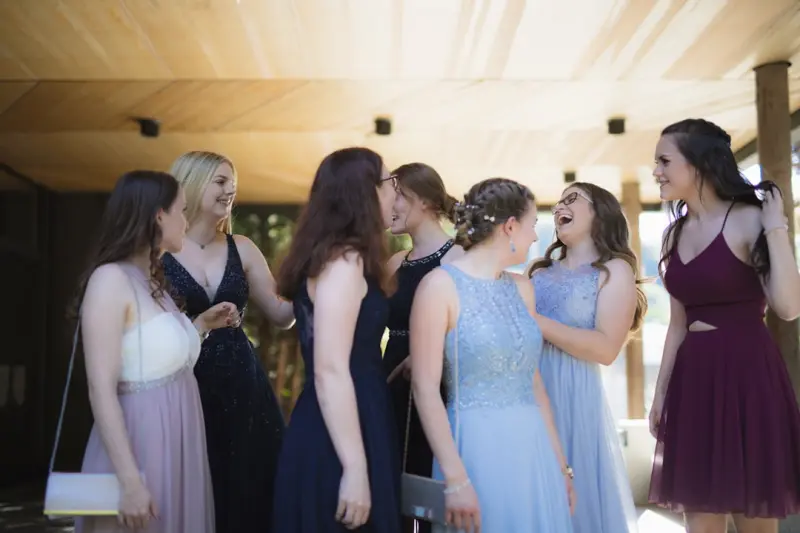
When you’re a senior‑year kid scrolling through TikTok, you’ve already seen a thousand glitter‑covered, Instagram‑ready prom photos. When you’re a parent, you’ve already drafted a spreadsheet that looks like a mini‑budget for a small country. And when you’re a community organizer, you’ve started to wonder why we keep funneling all that excitement into a single night in a rented ballroom, instead of spreading the love across an entire neighborhood.
What’s Wrong With the “One‑Night‑Wonder” Model?
For decades, the classic prom or graduation ceremony has followed the same script: a tuxedo, a dress, a catered dinner, a DJ, and a handful of staged “memories” captured by a professional photographer. It works—if you define “works” as a high‑ticket‑price, limited‑access event that leaves a mountain of waste in its wake.
Here’s the uncomfortable truth: most of the magic evaporates the moment the lights go out. The next morning, you’re left with leftover balloons, single‑use plastic cutlery, and a sense that the night was more about “performing” than truly celebrating the milestones of a class.
That’s not to say we should toss tradition out the window. The pageantry, the music, the moment you hear “Congratulations” echo across the hall—these are the stuff of lifelong stories. What we need is a way to keep the sparkle while expanding the impact beyond a single evening.
The Festival Blueprint: Turning a Night Into a Neighborhood Celebration
Think of the best street festivals you’ve ever attended: food trucks lining the curb, local bands on a makeshift stage, pop‑up art installations, and kids running around with face paint. Now, imagine applying that energy to prom and graduation. The result is a community‑powered festival that stretches over a weekend, invites local businesses to shine, and leaves a legacy of goodwill.
Here’s how you can build that blueprint:
- Multi‑Day Schedule: Instead of a single 5‑hour ceremony, plan a three‑day “Celebration Series.” Day 1: “Kick‑off Mixer” with live music and ice‑breaker games. Day 2: The formal ceremony (scaled down). Day 3: “After‑Party Fair” featuring food trucks, local artists, and a community service project.
- Shared Venues: Use public spaces—parks, community centers, or even the local high‑school gymnasium—paired with temporary structures like marquee tents. This reduces rental costs and opens up the event to families who can’t travel to a downtown ballroom.
- Local Partnerships: Invite neighborhood cafés, boutique clothing stores, and independent musicians to sponsor specific parts of the festival. In return, they get branding exposure and a chance to give back.
- Sustainable Materials: Swap single‑use plastic for compostable plates, reusable cups, and décor made from reclaimed wood or upcycled fabrics.
Why Community Partnerships Matter (And How to Secure Them)
Local businesses are often eager for authentic exposure, but they need a clear value proposition. Here’s a quick pitch you can use:
“We’re turning the senior class’s biggest night into a three‑day community festival that will attract over 2,000 attendees, generate media buzz, and showcase the best of our neighborhood. Your brand will be featured on all promotional material, on‑site signage, and social‑media storytelling that reaches families across the region.”
When you frame the opportunity as a win‑win, you’ll find that bakeries will donate cupcakes for a “Dessert‑Stroll” booth, bike shops will sponsor a “Ride‑Home” safety station, and tech startups will provide free Wi‑Fi hotspots for guests.
To see a real‑world example of community‑centric event planning, check out this piece on Turning Caps and Gowns into Community Storytelling Events. It illustrates how caps and gowns can become a catalyst for neighborhood storytelling, a concept you can expand into a full‑blown festival.
Sustainable Style: Renting, Upcycling, and DIY
One of the biggest cost drivers for prom and graduation is attire. Instead of forcing families to buy a brand‑new dress or tuxedo that will sit in a closet for the next decade, consider these alternatives:
- Rental Platforms: Partner with local dry cleaners or online rental services to offer a curated selection of dresses and suits. Offer a “rental bundle” that includes accessories, shoes, and a complimentary dry‑cleaning voucher for post‑event returns.
- Upcycled Fashion Shows: Host a runway where students showcase outfits made from thrifted or repurposed clothing. This not only reduces waste but also sparks creativity and confidence.
- DIY Accessory Stations: Set up a “craft corner” where attendees can create their own boutonnieres, corsages, or glitter‑tipped masks using locally sourced materials.
These options lower the overall spend, cut down on textile waste, and give the event a distinct, personal vibe that mass‑produced gowns can’t match.
Tech That Enhances, Not Replaces, Human Connection
We live in a world where AI can generate a personalized playlist in seconds, but that doesn’t mean we should let algorithms dictate the entire experience. Use technology as a supporting actor:
- Event Apps with Community Feeds: Create a simple app where students can post photos, share playlists, and coordinate car‑pooling. The app can also feature a “local sponsor” directory, giving partners direct traffic to their businesses.
- Live Stream for Remote Families: Not every loved one can travel, so set up a high‑quality livestream of the ceremony. Offer a “virtual seating” experience where remote guests can watch and interact via a chat box.
- Data‑Driven Sustainability Tracking: Use a SaaS platform to monitor waste streams, water usage, and carbon emissions in real time. Share these metrics with attendees to highlight the festival’s eco‑impact.
For a deeper dive into how the digital generation is reshaping these milestones, the article Reimagining Prom and Graduation for the Digital Generation offers useful insights. While that piece leans heavily into virtual reality and digital swag, the framework above focuses on blending tech with tangible, community‑first experiences.
Budget Hacks That Keep the Fun Flowing
Running a multi‑day festival sounds expensive, but with smart sourcing, you can keep the numbers in check:
- Barter Services: Offer local photographers free promotional material in exchange for event coverage. Swap a food truck’s “donation” of a few menu items for a banner on the stage.
- Volunteer Pools: Recruit senior class volunteers to manage registration desks, run games, and help with clean‑up. Provide them with certificates or college‑application letters of recommendation as a thank‑you.
- Grant Opportunities: Many municipalities offer small grants for youth and community events. Apply for “Youth Engagement” or “Cultural Celebration” funds to offset venue and equipment costs.
Storytelling Without the Cap and Gown
One of the most powerful ways to embed meaning into the festival is through curated storytelling moments that don’t rely on the traditional regalia:
- “Future Letters” Wall: Set up a giant chalkboard where graduates write letters to their future selves. Capture the messages on camera and compile them into a digital time capsule.
- Alumni Spotlight Booth: Invite alumni to share one piece of advice on a video wall. This creates a sense of continuity and mentorship that extends beyond the ceremony.
- Community Art Mural: Have a local artist lead a collaborative mural painting that reflects the class’s values. The finished piece can be donated to a public space, leaving a lasting legacy.
Measuring Impact: The Numbers That Matter
After the last song fades and the confetti settles, it’s tempting to close the books and call it a day. Instead, take a moment to quantify success beyond ticket sales:
- Attendance Reach: Total foot traffic across all three days, broken down by local residents vs. out‑of‑town guests.
- Waste Reduction: Pounds of compostable vs. single‑use items, and the percentage of items recycled or donated.
- Economic Boost: Revenue generated for local sponsors, food trucks, and participating vendors.
- Social Sentiment: Social‑media mentions, hashtags, and qualitative feedback from post‑event surveys.
Sharing these metrics with the community not only showcases the festival’s success but also builds a compelling case for repeat events in the years to come.
Putting It All Together: A Sample Timeline
Below is a high‑level timeline you can adapt to your school’s calendar. Feel free to adjust based on local weather, venue availability, and sponsor commitments.
| Day | Activity | Key Partners |
|---|---|---|
| Friday Evening | Kick‑off Mixer – Live band, food trucks, ice‑breaker games | Local musicians, food truck coalition, community center |
| Saturday Morning | Service Day – Neighborhood clean‑up, mural painting | Municipal waste services, local artists, student volunteers |
| Saturday Evening | Formal Ceremony – Short speeches, cap & gown (optional), livestream | School administration, tech provider, rental attire partner |
| Sunday Afternoon | After‑Party Fair – DIY stations, games, alumni spotlight | Sponsor booths, alumni network, local artisans |
Final Thoughts: From One Night to a Movement
Prom and graduation are already milestones; they don’t have to be fleeting moments trapped in a single ballroom. By expanding the celebration into a community‑driven festival, you create a ripple effect that benefits students, families, local businesses, and the environment.
It takes a bit of vision, a dash of daring, and a willingness to rewrite the rulebook. But when the final fireworks burst over a park filled with smiling faces, you’ll know you’ve turned a rite of passage into a lasting celebration of community spirit.

Related Posts

Beyond the Glitter: Sustainable, Tech‑Smart Ways to Own Your Prom & Graduation Night
A fresh take on prom and graduation planning that blends sustainable fashion, smart budgeting, and c... Read More
Turning Caps and Gowns into Community Storytelling Events
Explore a new approach to prom and graduation that uses local collaborations, sensory experiences, a... Read More
Immersive Hybrid Proms: Merging Tradition with Tomorrow’s Tech
Explore the rise of immersive hybrid proms, where augmented reality, livestreams, and digital yearbo... Read More
Top Posts

Micro‑Nature Moments: How Tiny Green Breaks Revolutionize Workplace Health
A deep dive into micro‑nature shows how small, intentional green elements at work can lower stress, improve focus, and deliver measurable health benefits, all...Read More

When Tariffs Turn Remote Teams into Strategic Assets
Tariffs are more than trade talk—they’re reshaping the cost and location of remote talent. This post dives into hidden cost layers, strategic diversificatio...Read More

Sailing Into Serenity: How Wellness Cruises and Eco Bus Tours Redefine Travel
Explore the rise of wellness cruises and eco‑friendly bus tours, a travel trend that blends mindfulness, sustainability, and community impact for a truly reju...Read More

The Hidden Art of Deal Stacking: How to Multiply Savings on Every SaaS Purchase
Alex Moss reveals a systematic approach to “deal stacking,” showing how volume discounts, bundling, timing, and reference incentives can combine to slash Sa...Read More
0 Comments
Post Comment
You will need to Login or Register to comment on this post!