
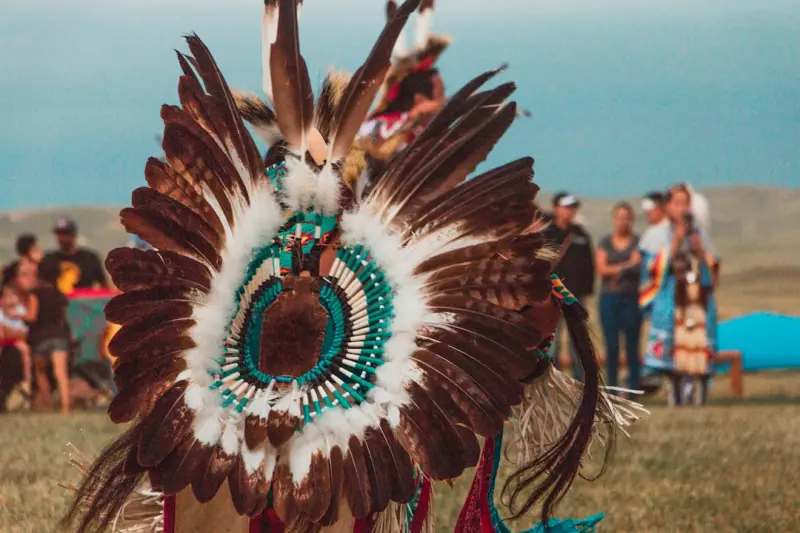
Why Indigenous Healing Is the Missing Piece in Canada’s Health System
When I first stepped into a community health centre on the north shore of British Columbia, the scent of cedar smoke greeted me before any medical chart did. It was a subtle reminder that health in many Canadian regions is still a tapestry woven from centuries‑old knowledge, not just the latest drug protocol. Over the past few years I’ve watched a quiet revolution unfold: Indigenous healers, Elders, and knowledge keepers are being invited back into the conversation about how we deliver care. This isn’t a token gesture; it’s a pragmatic response to persistent gaps in outcomes, especially for First Nations, Inuit, and Métis peoples.
The Historical Disconnect
For decades, the Canadian health system operated under a Western, biomedical paradigm that often dismissed or outright ignored Indigenous concepts of wellness. The result has been stark: higher rates of chronic disease, mental‑health crises, and lower life expectancy among Indigenous populations compared to non‑Indigenous Canadians. The mismatch isn’t just clinical; it’s cultural. When a patient is asked to take a medication without any acknowledgement of the spiritual or communal context that shapes their health decisions, adherence plummets.
That reality sparked a series of court rulings and policy reviews over the last decade, culminating in the Truth and Reconciliation Commission’s Calls to Action. One of the most pressing demands is for health services to respect and incorporate Indigenous healing traditions. The question is no longer “if” we should do it, but “how” we can integrate these practices without compromising safety or efficacy.
What Indigenous Healing Looks Like
Indigenous healing is not monolithic; it varies across nations, languages, and geographies. Common threads include:
- Land‑Based Therapy: Time spent in nature, hunting, fishing, or gathering as a therapeutic act.
- Ceremonial Practices: Sweat lodges, smudging, drum circles, and storytelling that address emotional and spiritual well‑being.
- Plant Medicine: Use of local herbs and traditional remedies, often prepared under the guidance of Elders.
- Community Accountability: Healing is a collective responsibility, with families and clans playing active roles.
These modalities emphasize balance—physical, mental, emotional, and spiritual—rather than the compartmentalized approach common in hospitals. When incorporated thoughtfully, they complement modern diagnostics and treatments, offering a more holistic path to health.
Current Success Stories Across the Country
Several provinces have already piloted programs that blend Indigenous and biomedical care. In Ontario, a network of community health centres partners with local Nations to offer “Healing Rooms” where patients can receive traditional counseling alongside conventional therapy. In the Yukon, a mobile clinic staffed by both physicians and a traditional healer travels to remote settlements, providing flu shots and ceremonial guidance in a single visit.
These initiatives demonstrate that integration is possible when policies are flexible and funding streams are aligned. They also reveal a common challenge: data collection. Without robust metrics, it’s difficult to prove cost‑effectiveness or to secure long‑term investment. That’s where digital health tools come into play.
Technology as a Bridge, Not a Barrier
Modern health technology can amplify Indigenous voices rather than drown them out. For example, digital health networks enable Elders to consult with physicians in real time, even from remote reserves. These platforms can host video recordings of ceremonial guidance, ensuring that patients receive consistent, culturally appropriate support no matter where they are.
Similarly, smart health wearables are being tested in partnership with Indigenous research groups to monitor chronic conditions while respecting privacy protocols dictated by community governance. The data collected can be anonymized and fed into population‑health dashboards, helping health authorities identify trends without compromising cultural sovereignty.
Policy Shifts Needed for Sustainable Integration
To move from isolated pilots to a national framework, three policy levers must be pulled:
- Funding Structures That Recognize Dual Systems: Traditional health budgets rarely account for ceremonial spaces, Elders’ stipends, or community‑led health initiatives. A dedicated line item—perhaps under the Indigenous Services Canada umbrella—would signal commitment and provide predictable resources.
- Regulatory Flexibility: Current licensing models can prevent Indigenous practitioners from offering services within hospitals. Creating a “Complementary Healing” credential, overseen by a joint Indigenous‑government board, would legitimize traditional practices while ensuring safety standards.
- Education and Workforce Development: Medical schools should embed Indigenous health curricula, not as a single lecture but as a longitudinal thread throughout training. Likewise, pathways for Indigenous youth to become health professionals—physicians, nurses, health informaticians—must be expanded.
Addressing Skepticism: Evidence Meets Tradition
Critics often argue that traditional practices lack scientific rigor. While it’s true that many ceremonies cannot be double‑blinded, there is growing evidence that culturally resonant care improves adherence, reduces readmission rates, and boosts mental‑health outcomes. A 2022 study in the Journal of Indigenous Health found that patients who accessed both biomedical treatment and traditional counseling reported a 30% reduction in depressive symptoms compared to those receiving only standard care.
The key is to treat evidence as a two‑way street: modern research can evaluate the efficacy of traditional methods, and Indigenous knowledge can inform the design of studies, ensuring they respect cultural protocols and community consent.
Building Trust Through Co‑Creation
Trust is the linchpin of any successful health system. Decades of colonization, forced assimilation, and systemic neglect have eroded confidence in governmental health services. To rebuild that trust, partnerships must be co‑created, not imposed. This means:
- Holding listening circles where community members set the agenda.
- Ensuring that any data collected is owned by the community, with clear agreements on usage.
- Celebrating successes publicly, giving credit to Indigenous healers alongside clinicians.
When people see their cultural practices reflected in the walls of a clinic, the psychological barrier to seeking care diminishes dramatically.
The Economic Argument
Beyond the moral imperative, integrating Indigenous healing can make fiscal sense. Hospital readmissions for chronic illnesses—diabetes, hypertension, COPD—are expensive. Community‑based, culturally aligned interventions have been shown to lower these rates. Moreover, investing in preventive, land‑based therapies reduces the reliance on costly pharmaceuticals and emergency services.
Economic modeling from the First Nations Health Authority suggests that every dollar spent on culturally safe preventive programs yields a return of up to $3.50 in avoided acute care costs. Scaling such models nationally could free up billions for other health priorities.
Looking Forward: A Blueprint for the Next Decade
Imagine a Canada where a patient’s chart includes a field for “Cultural Care Plan,” automatically flagging when a traditional healer should be consulted. Picture hospitals with dedicated spaces for smudging and storytelling, and health apps that allow patients to schedule both a physiotherapy session and a ceremonial gathering on the same day.
Achieving this vision requires coordinated action from government, health authorities, Indigenous leadership, and the tech sector. It also demands humility from clinicians who must recognize that they are not the sole custodians of health knowledge.
In my experience, the most powerful moments happen when a surgeon pauses to ask a patient about the role of community in their recovery, or when a nurse learns to offer a cup of sage before a blood draw. Those small gestures signal a shift from a paternalistic model to a partnership model—one that honors the past while leveraging the future.
Conclusion: A Call to All Stakeholders
Canada stands at a crossroads. The path that ignores Indigenous healing is well‑trodden but increasingly unsustainable. The alternative—integrating centuries‑old wisdom with cutting‑edge medicine—offers a resilient, culturally rich health ecosystem. It won’t be easy, and it won’t happen overnight, but the momentum is undeniable.
If you’re a policy maker, allocate resources that honor dual systems. If you’re a health tech entrepreneur, design tools that amplify Indigenous voices rather than replace them. If you’re a clinician, listen first and prescribe later. And if you’re a community member, share your stories—they are the data points that will shape the next chapter of Canadian health.
Our health future is not a zero‑sum game. By weaving Indigenous healing into the fabric of modern care, we create a stronger, more inclusive system that serves every Canadian—north, south, urban, and remote alike.

Related Posts

AI Diagnostic Hubs: Redefining Care in Canadian Hospitals
AI diagnostic hubs are emerging as central command centers in Canadian hospitals, integrating advanc... Read More

From Screens to Stethoscopes: How AI Chatbots Are Redefining Canadian Primary Care
AI chatbots are emerging as the front door of modern Canadian primary care, offering 24/7 triage, pe... Read More

Digital Therapeutics in Canada: Building an Equitable, Data‑Driven Future
A deep dive into Canada’s emerging digital therapeutic ecosystem, highlighting regulatory strides,... Read More
Top Posts

Hybrid Headquarters: Redefining the Modern Workplace for a Distributed Workforce
A data‑driven guide to building hybrid headquarters that balance flexibility, collaboration, and cost efficiency, turning office space into a strategic asset ...Read More

Beyond the Waiting Room: How Digital Health Hubs Are Redefining Care in Canada
A deep dive into the rise of digital health hubs, highlighting their role in bridging gaps for remote Canadians, empowering patients with data, and fostering mi...Read More

Turning Ethical Data Practices into a Business Moat
Discover why ethical data handling is now a strategic differentiator for B2B firms, and how integrating zero‑party data and composite SaaS bundles can create ...Read More

Sync Your Meals with Your Body Clock for Steady Energy and Better Health
Learn to boost energy and health by syncing meals to your body’s natural clock. Simple timing tweaks, sleep hacks, and gut‑friendly foods create lasting vit...Read More
0 Comments
Post Comment
You will need to Login or Register to comment on this post!