
From Log Cabins to Luxe Retreats: Redefining Rural Living
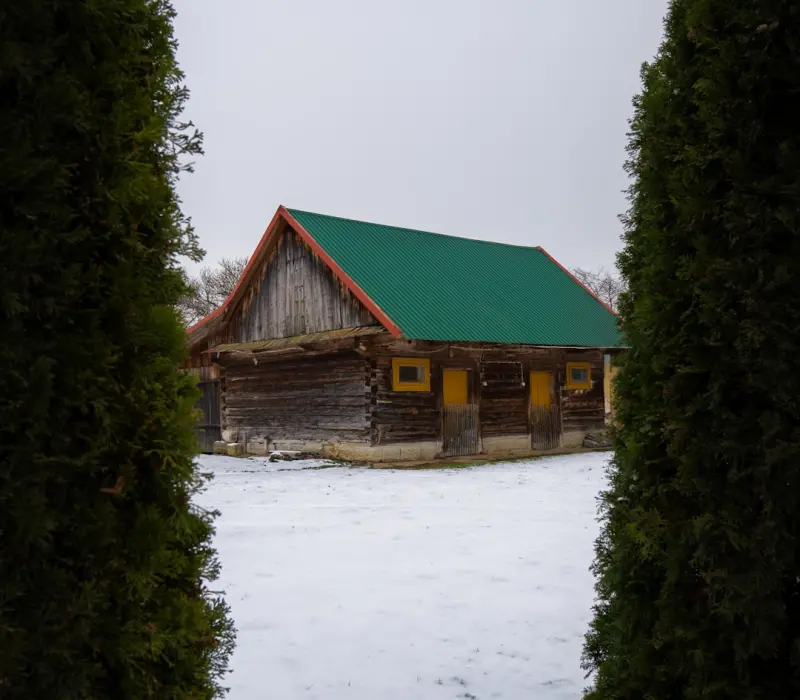
When I first drove past a weather‑worn log cabin nestled in the pine‑blanketed hills of Northern Ontario, I felt an electric pull that went beyond nostalgia. The charm of a structure built by hands, not machines, sparked a curiosity that has since become a personal mission: to blend heritage craftsmanship with today’s comforts without erasing the soul of the place. This isn’t about turning every cabin into a five‑star hotel; it’s about honoring the stories etched into the timber while inviting modern conveniences that enhance, not dominate, daily life. In the next few pages, I’ll share how reclaimed wood, subtle smart‑tech, and community‑driven workshops are reshaping what it means to call a cabin home, all while keeping the cost of living in check for everyday Canadians.
The Art of Reclaimed Wood: Giving Old Logs New Life
Reclaimed wood has become the cornerstone of my cabin makeover philosophy because it carries the memory of forests that once stood tall. Sourcing timber from decommissioned barns, old railway stations, or even fallen trees after a storm not only reduces waste but also infuses each beam with a narrative that new lumber simply cannot replicate. The process begins with a careful inspection for rot, insects, and structural integrity, followed by a gentle cleaning and sanding that respects the wood’s natural patina. I’ve found that integrating these pieces into flooring, ceiling beams, and accent walls creates a tactile link to the past, inviting occupants to feel the grain under their fingertips. Moreover, reclaimed wood often offers superior insulation qualities, keeping cabins warmer in winter and cooler in summer—an added bonus for those mindful of energy bills.
Smart Yet Subtle: Integrating Technology Without Disruption
Many fear that smart home devices will shatter the rustic ambience of a cabin, but the key lies in discretion. A low‑profile thermostat that learns your heating patterns, for instance, can maintain a cozy temperature while trimming energy use, aligning perfectly with the Living Smarter ethos. Similarly, motion‑activated lighting hidden behind reclaimed wood panels offers safety on dark evenings without the glare of conventional fixtures. Even simple solutions—like a Wi‑Fi‑enabled water sensor that alerts you to leaks—protect the integrity of historic structures without intruding on their aesthetic. The goal is to let technology work in the background, preserving the cabin’s quiet character while delivering the reliability and convenience modern life demands.
Harvesting Sunlight: Solar Panels That Blend In
Renewable energy is no longer a niche hobby for eco‑enthusiasts; it’s becoming a practical necessity for remote homes. The challenge for cabin owners is installing solar panels without turning rooftops into industrial farms. Today’s thin‑film photovoltaic tiles can be painted to match roof shingles, creating a seamless look that honors the cabin’s silhouette. Pairing these panels with a compact battery storage system ensures power for lighting, appliances, and even electric heating during long, dark winters. By calculating the cabin’s average daily consumption and sizing the array accordingly, homeowners can achieve near‑energy independence, drastically lowering utility costs. This approach not only respects the natural environment but also aligns with a growing Canadian desire for self‑sufficiency in isolated communities.
Community Workshops: DIY Skills for the Modern Cabin Owner
One of the most rewarding aspects of this journey has been the emergence of local workshops where neighbors gather to share skills—carpentry, wiring, and even herbal gardening. These gatherings echo the communal spirit of early settlers, fostering a sense of belonging while reducing reliance on expensive contractors. Participants learn how to install reclaimed beams, wire smart thermostats, or construct insulated window shutters using simple tools. The knowledge exchange also opens doors to collaborative projects, such as building a shared sauna or a communal garden that supplies fresh herbs for kitchen use. By empowering residents with hands‑on expertise, we’re cultivating resilient micro‑economies that keep money circulating within the region.
From Hearth to Table: Culinary Spaces that Celebrate Tradition
Food is the heart of any home, and cabins offer a unique canvas for culinary creativity. Imagine a stone hearth that doubles as a pizza oven, surrounded by reclaimed timber counters where fresh pine‑scented pinecones serve as natural garnish holders. Incorporating a large, open‑concept kitchen encourages family members to gather while preparing meals, turning cooking into a shared ritual. Seasonal produce—think wild berries, maple syrup, and locally foraged mushrooms—can be highlighted in dishes that pay homage to Indigenous and settler cuisines alike. By aligning the menu with the rhythms of the land, homeowners can enjoy flavorful, nutrient‑dense meals while supporting local growers, a practice echoed in the recent Seasonal Swaps movement.
Mental Health Benefits: The Quiet Cure of Cabin Living
Beyond aesthetics and efficiency, cabins offer a profound therapeutic sanctuary. The isolation from urban noise, combined with the soothing cadence of wind through trees, creates an environment conducive to mindfulness and stress reduction. Scientific studies have shown that exposure to natural light, fresh air, and the simple act of tending to a garden can lower cortisol levels and improve sleep quality. By designing spaces that encourage gentle movement—like a sunrise‑facing meditation nook or a walking trail that circles the property—cabin owners can harness nature’s healing power daily. These benefits are especially valuable for Canadians grappling with the pressures of modern life, offering a low‑cost, high‑impact alternative to conventional wellness retreats.
The Future of Cabin Living: A Blueprint for Sustainable Growth
Looking ahead, the cabin renaissance is poised to become a cornerstone of sustainable Canadian living. As housing markets tighten and urban sprawl intensifies, more families will seek refuge in rural settings that promise space, affordability, and a connection to nature. Governments and municipalities are beginning to recognize this shift, offering incentives for eco‑friendly renovations and streamlined permitting for small‑scale developments. By continuing to prioritize reclaimed materials, discreet technology, and community collaboration, we can ensure that the next wave of cabins respects both the environment and cultural heritage. In this evolving landscape, each cabin becomes a micro‑testament to resilience, creativity, and the enduring allure of Canada’s wilderness.

Related Posts
Cozy Cabin Culture: Redefining Home Comfort in the Canadian Wilderness
A deep dive into Canada’s cabin renaissance, where remote work, eco‑friendly design, and vibrant... Read More

Cottage Co‑Working: How Canada’s Lakeside Retreats Are Redefining Remote Work
Canadian professionals are turning seasonal cottages into thriving co‑working hubs, merging natura... Read More

Why Canada’s Cabins Are the New Base for Remote Professionals
A deep dive into the growing trend of Canadians swapping city offices for cabin homes, highlighting ... Read More
Top Posts

Why Restaurants Are Turning to Community‑Driven Pop‑Ups to Stay Ahead
Pop‑ups are more than a trend; they’re a strategic tool for restaurants to test menus, reduce risk, and deepen community ties, all powered by modern SaaS so...Read More

Federal‑Provincial Tug‑of‑War Over Housing and Climate Funding
Canada’s political arena is now dominated by a clash over who controls funding for affordable, net‑zero housing. This article examines the federal‑provinc...Read More

Unveiling Ontario's Hidden Gems: A Summer of Heritage Discovery
Every year, between April and October, the province of Ontario throws open the doors to its rich past, inviting residents and visitors alike to explore its rema...Read More

Fermentation, Microgreens, and Data‑Driven Shopping: A Fresh Playbook for Healthy Eating
A hands‑on guide that blends home fermentation, indoor microgreen gardening, and data‑informed grocery choices to help busy professionals build a resilient,...Read More
0 Comments
Post Comment
You will need to Login or Register to comment on this post!