
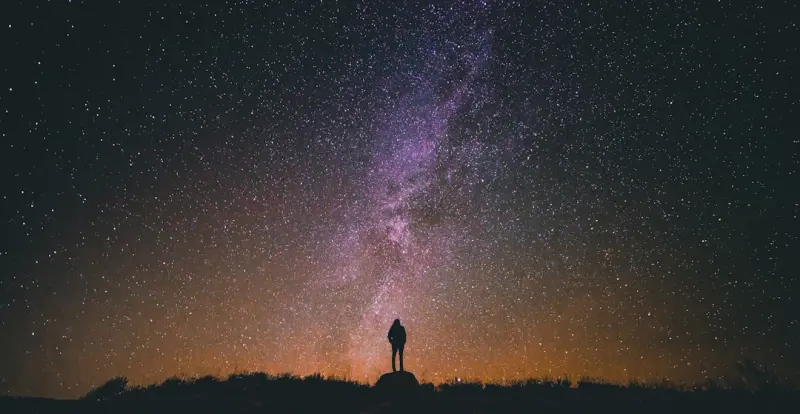
Why the Night Sky Is the New Frontier of Travel
When I first chased the aurora over the tundra, the experience felt less like a tourist itinerary and more like a personal pilgrimage; the darkness became a canvas on which the universe painted stories we rarely notice in daylight. Dark‑sky tourism is emerging as a quiet rebellion against the neon‑lit corridors of conventional vacations, offering travelers a chance to reconnect with a primal sense of wonder that city lights have long eclipsed. The appeal isn’t merely aesthetic—astronomers, photographers, and weary office workers alike discover that a night under untouched stars can reset circadian rhythms, lower cortisol, and inspire a deeper curiosity about our place in the cosmos. As someone who thrives on the intersection of wanderlust and mindfulness, I’ve found that planning a trip around the phases of the moon and the seasonal migrations of constellations creates an itinerary that feels both purposeful and poetically unhurried.
Mapping the Darkness: How to Design a Dark‑Sky Road Trip
The first step in any successful dark‑sky adventure is to consult the International Dark‑Sky Association’s reserve map, which highlights protected areas where artificial light has been rigorously curtailed; these zones become the anchors for a journey that balances driving distance with optimal stargazing windows. I prefer to plot my route on a flexible spreadsheet that accounts for lunar illumination, weather patterns, and the geographic spread of national parks, because a cloudy night in one province can be a crystal‑clear spectacle just a few hours eastward. Timing is crucial—planning to arrive at a site just after sunset allows the eyes to adapt naturally, while staying until the pre‑dawn hours offers a rare glimpse of the Milky Way’s core as it climbs the horizon. By treating the road as a moving observatory, the drive itself transforms from a mere transition into an integral part of the celestial experience.
Sustainable Stays: Eco‑Lodges that Respect the Night
Finding accommodation that honors the darkness is as important as choosing the right sky; many eco‑lodges now advertise “light‑free zones” where exterior fixtures are shielded, and interior lighting is limited to low‑temperature LEDs that preserve night‑time visibility. I gravitated toward a timber‑frame cabin nestled within a dark‑sky reserve, where the host provided a “stargazer’s kit” that included a red‑light lantern, a star chart, and a brief guide on local light‑pollution policies; this thoughtful approach not only enhances the guest experience but also reinforces community stewardship of the night. When booking, I ask specific questions about blackout curtains, the availability of outdoor decks for unobstructed views, and whether the property participates in citizen‑science projects that monitor sky quality. Staying in such mindful spaces turns a simple overnight break into a collaborative act of preservation, ensuring that future travelers can also marvel at the same unspoiled heavens.
Gear and Safety: Tools That Elevate the Experience
While the night sky itself is a free spectacle, a few carefully selected pieces of equipment can dramatically amplify its impact; a portable, collapsible telescope with a 70‑mm aperture offers enough power to resolve Jupiter’s moons without overwhelming a beginner, and a sturdy tripod ensures steady long‑exposure shots for astrophotography enthusiasts. I also keep a star‑identification app on my phone, calibrated to the local magnetic declination, which transforms a bewildering spray of points into recognizable constellations within seconds—perfect for those moments when curiosity spikes after a quiet sit‑down. Safety considerations remain paramount: a compact first‑aid kit, extra warm layers, and a reliable headlamp with a red filter protect against hypothermia and accidental disorientation, while a simple “leave no trace” checklist reminds travelers to pack out all waste, respecting both the land and the darkness that envelops it.
Cultural Constellations: Listening to Indigenous Night‑Sky Stories
Every dark‑sky destination carries a tapestry of stories that have guided generations long before telescopes existed; indigenous communities across the north have woven the movements of stars into oral histories that explain everything from seasonal migrations to moral lessons. Engaging with these narratives adds a profound layer of meaning to a night spent under the cosmos, turning the act of stargazing into a dialogue with the land’s original keepers. For a richer understanding, I attended a moon‑lit storytelling circle hosted by a local First Nations group, where elders shared the legend of the “Great Bear” and its role in navigation—an experience that resonated deeply with my own love for travel as a form of learning. If you’re curious about how sound can shape a journey, consider reading how sound shapes a journey, which explores the interplay between auditory heritage and place‑based discovery.
Food Under the Stars: Culinary Side‑Trips That Complement the Sky
After a night of charting constellations, the body craves nourishment that mirrors the simplicity and authenticity of the environment, and many dark‑sky locales boast farm‑to‑table eateries that serve dishes rooted in the very soil beneath our feet. In one memorable stop, I dined at a modest bistro that sourced wild herbs from the surrounding forest, paired with a locally brewed amber ale—each bite felt like an extension of the night’s quiet rhythm. Integrating culinary exploration with stargazing creates a holistic travel narrative where taste and sight converge, and for those who enjoy tracing flavors along a trail, the article culinary side trips offers inspiration on weaving food experiences into outdoor adventures. By choosing dishes that highlight seasonal produce, travelers not only support local economies but also honor the natural cycles that dictate the night sky’s appearance.
Protecting the Night: Light‑Pollution Advocacy for Travelers
Every flash of a car’s headlights or the glow of a roadside billboard contributes to a growing veil of light pollution that threatens the integrity of dark‑sky sanctuaries, and travelers hold unique power to influence change through mindful behavior and advocacy. Simple actions—such as dimming interior lights, using blackout curtains, and reporting excessive illumination to park authorities—can collectively preserve the night for wildlife and fellow stargazers alike. I make it a point to share my experiences on social platforms, tagging park managers and encouraging followers to adopt “dark‑friendly” practices, which often sparks conversations that lead to community‑wide lighting audits. By treating each trip as a stewardship mission, we transform leisure into a catalyst for environmental policy, ensuring that future generations can still look up and see the Milky Way unbroken.
Final Thoughts: Turning Darkness Into a Destination
In a world saturated with screens and constant stimulation, the allure of a sky unblemished by artificial glare offers a restorative antidote that aligns perfectly with the modern traveler’s craving for authenticity. My dark‑sky journeys have taught me that the most memorable trips are those that invite silence, provoke curiosity, and foster a sense of responsibility toward the environments we explore. Whether you’re a seasoned astronomer, a casual camper, or simply someone seeking a moment of awe beyond the ordinary, planning a pilgrimage to a protected night‑sky reserve promises an experience that transcends typical tourism—one that leaves you with a deeper appreciation for the cosmos and a renewed commitment to protect it. So pack a warm coat, a modest telescope, and an open heart; the universe is waiting, and the night is yours to claim.

Related Posts

One‑Day Micro‑Getaways: How Tiny Trips Are Transforming Modern Travel
Explore the rise of one‑day micro‑getaways, learn how to plan seamless day trips, and see why th... Read More
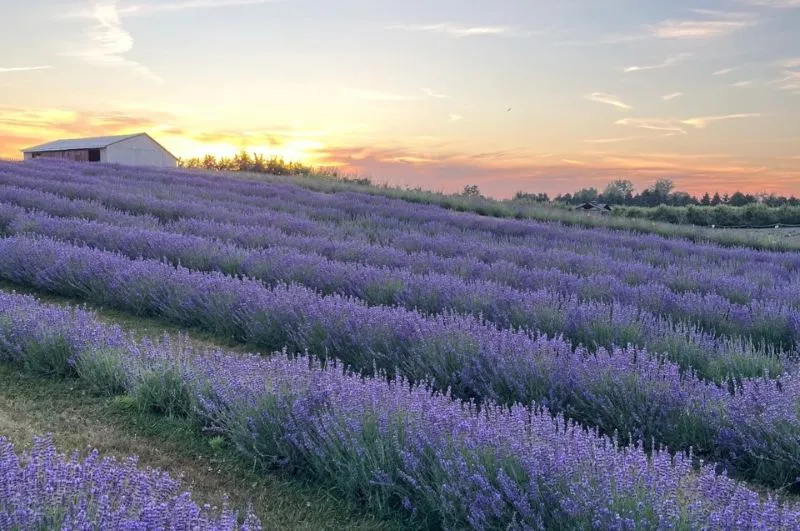
Best Lavender Fields in Ontario
When summer rolls around, Ontario transforms into a floral wonderland, and nothing epitomizes this s... Read More
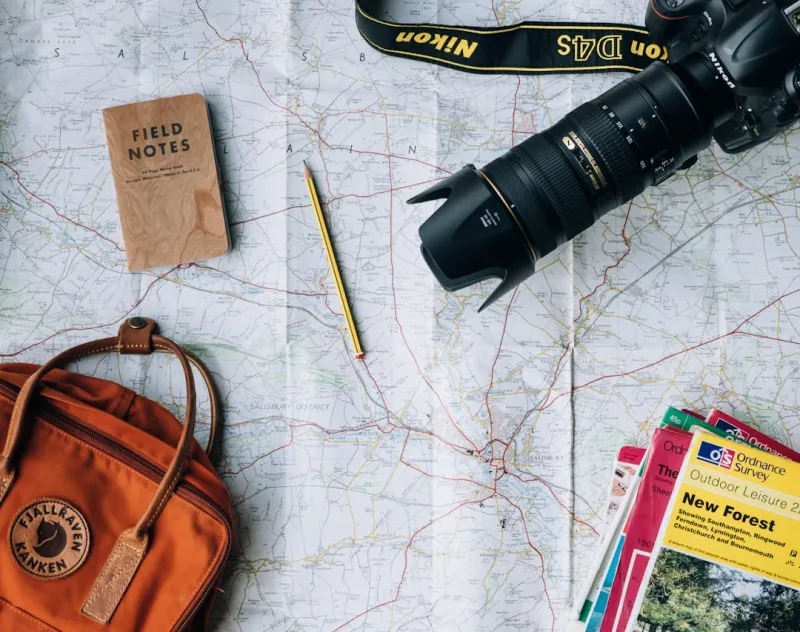
Uncharted Getaways: Exploring the Hidden Gems of Rural America
Explore the uncharted getaways of rural America, where stunning landscapes, rich history, and warm h... Read More
Top Posts

Adaptive Experience Loops: Rethinking the B2B SaaS Marketing Funnel
Mark Daniels explains why traditional marketing funnels are outdated for B2B SaaS and introduces the adaptive experience loop—a data‑driven, real‑time sys...Read More

Beyond the Gown: Turning Prom & Graduation Into a Launchpad for Future Success
Learn to use the excitement of prom and graduation as a launchpad for long‑term success by leveraging data, smart budgeting, sustainable fashion, and a revenu...Read More

Micro‑Adventures: Crafting Sustainable Stories One Bite, Light, and Stay at a Time
Travel today is about micro‑adventures that blend sustainability, local storytelling, and wellness tech. From tiny‑home villages to regenerative farms and l...Read More

Zero‑Waste Home Mixology: Turning Kitchen Scraps into Craft Cocktails
Learn to turn everyday kitchen leftovers into flavorful, eco‑friendly cocktails with simple infusions, fermentations, and zero‑waste techniques that delight...Read More
0 Comments
Post Comment
You will need to Login or Register to comment on this post!