

Why Community Co‑Creation Is the New Marketing Engine
When I first stepped into the world of brand building, I thought the smartest move was to chase the flashiest ad spend and the loudest celebrity endorsement. Years later, after watching countless campaigns fizzle despite massive budgets, I’ve learned that the real catalyst for sustainable growth lives in the hands of the community that surrounds a brand. Community co‑creation isn’t a buzzword; it’s a strategic framework that turns customers into collaborators, letting them shape product features, brand voice, and even distribution channels. By inviting authentic input early, brands avoid the costly missteps that come from guessing what consumers want, and they build a tribe that feels personally invested in every success. The result is a virtuous cycle where loyalty fuels advocacy, and advocacy fuels revenue, all without the heavy reliance on paid media.
From Insight to Action: Mapping the Co‑Creation Journey
Designing a co‑creation program starts with a clear map that moves from insight gathering to actionable outcomes. First, you identify the passionate segments of your audience—those who already share user‑generated content, leave thoughtful reviews, or lead niche forums. Next, you provide them with a sandbox: a beta product, a brand story outline, or a design brief that they can remix. The key is to keep the process transparent, rewarding participants with early access, public acknowledgment, or revenue‑share models that reinforce the partnership. As ideas flow, you curate and test them in rapid‑iteration cycles, turning raw feedback into refined features that can be rolled out to the broader market. By treating customers as R&D partners rather than passive end‑users, you unlock a wellspring of creativity that keeps your brand agile in an ever‑shifting marketplace.
Trust and Transparency: The Ethical Backbone of Co‑Creation
In an era where data privacy scandals dominate headlines, the ethical dimension of co‑creation can’t be an afterthought. Brands must be crystal clear about how participant contributions will be used, who owns the resulting intellectual property, and what compensation structures are in place. I’ve found that a simple, publicly posted co‑creation charter—a living document that outlines rights, responsibilities, and profit‑sharing formulas—does wonders for building trust. When participants see that their ideas are respected and fairly rewarded, they become vocal ambassadors who defend the brand against criticism. Moreover, transparent practices protect the brand from legal entanglements and reinforce a reputation for integrity, a priceless asset in any competitive landscape.
The Micro‑Influencer Advantage: Quality Over Quantity
While macro‑influencers still command attention, the rise of micro‑influencers has reshaped how authenticity is measured. These creators often boast tighter-knit audiences, higher engagement rates, and a more genuine voice that resonates with niche communities. By integrating micro‑influencers into co‑creation initiatives—letting them test prototypes, host live design sessions, or co‑author brand narratives—brands tap into trusted channels that feel less like advertising and more like a conversation among friends. The ROI on micro‑influencer collaborations frequently outperforms traditional campaigns because the audience perceives the partnership as a natural extension of the creator’s expertise, not a paid endorsement.
Immersive Experiences: AR, VR, and the Future of Interactive Storytelling
Imagine a shopper stepping into a virtual showroom where they can rearrange furniture, tweak color palettes, and instantly see how the changes affect the overall aesthetic—all while providing real‑time feedback that feeds directly into the product development pipeline. That’s the power of augmented and virtual reality when paired with co‑creation. By embedding AR filters in social platforms or launching VR labs where community members can prototype together, brands create memorable experiences that double as data collection tools. These immersive environments also lower the barrier to participation; a user doesn’t need a design degree to contribute—they simply interact with a visual interface that translates their preferences into actionable metrics.
Measuring Success: Attribution in a Co‑Created World
Traditional marketing metrics—impressions, click‑through rates, and conversion funnels—only tell part of the story when community input drives product evolution. To truly gauge impact, brands must adopt a blended attribution model that combines quantitative data (sales lift, repeat purchase rate) with qualitative signals (sentiment analysis, co‑creator satisfaction scores). Advanced analytics platforms can trace the lineage of a feature from the original community suggestion to the final SKU, assigning credit to the contributors who sparked the idea. This granular insight not only validates the co‑creation investment but also provides a compelling narrative to share with stakeholders, reinforcing the strategic value of community‑led innovation.
Strategic Partnerships That Amplify Co‑Creation
One of the most effective ways to scale co‑creation is by forging strategic partnerships that extend reach and expertise. For example, aligning with a platform that specializes in gig‑driven talent can bring a diverse pool of creators into the fold, each offering unique perspectives that enrich the brand narrative. In my experience, partnering with a marketplace that already hosts a vibrant creator ecosystem dramatically reduces recruitment costs while increasing the velocity of idea generation. This approach mirrors the insights from Strategic Growth in the Gig‑Driven Economy: Turning Partnerships into Profit, where the author highlights how collaborative networks can turn modest investments into exponential returns. By treating partners as co‑creation allies rather than vendors, brands unlock a multiplier effect that fuels both innovation and market penetration.
Storytelling Through Adaptation: Turning Challenges Into Narrative Gold
Every brand faces headwinds—whether regulatory shifts, supply‑chain disruptions, or sudden market downturns. The savvy marketer reframes these obstacles as chapters in a larger brand saga, inviting the community to help write the next episode. When a tariff threatens a product line, for instance, you can launch a co‑creation contest asking fans to propose alternative sourcing solutions, packaging designs, or even new market angles. This not only crowdsources practical ideas but also transforms a potential crisis into a compelling story of resilience and ingenuity. The approach aligns with the principles outlined in Turning Tariff Headwinds into Brand Storytelling Wins, where turning adversity into narrative fuel deepens consumer loyalty and creates media‑worthy moments that amplify reach without additional ad spend.
Closing Thoughts: Embrace the Co‑Creation Mindset
In a world saturated with polished ads and algorithm‑driven targeting, the brands that truly stand out are those that let their audience take the wheel. Co‑creation isn’t a one‑off project; it’s a cultural shift that demands openness, ethical rigor, and a willingness to share the spotlight. By building transparent frameworks, leveraging micro‑influencers, harnessing immersive tech, and measuring impact with a blended attribution model, you set the stage for a dynamic ecosystem where innovation and loyalty feed each other. If you’re ready to move beyond conventional campaigns and invite your community to become a core part of your growth engine, now is the moment to start designing that partnership. The future belongs to brands that listen, adapt, and evolve together with the people who love them.

Related Posts

The Power of Community-Driven Marketing: A Game-Changer for Rural Businesses
Community-driven marketing is a powerful approach that helps rural businesses build strong relations... Read More

The Story‑First Playbook: Turning Narrative Sequencing into B2B Growth
A deep dive into the narrative sequencing framework that positions prospects as heroes, guides them ... Read More

Turning Data into Dialogue: How Conversational AI Is Reshaping Modern Marketing
Explore the rise of conversational AI in marketing, how it redefines the customer journey, and the m... Read More
Top Posts

Beyond the Screen: How Canada’s Cultural Pulse is Remixing Entertainment
A deep dive into Canada’s emerging entertainment trends, highlighting Indigenous storytelling, VR theatre, podcast growth, indie game festivals, and dynamic p...Read More
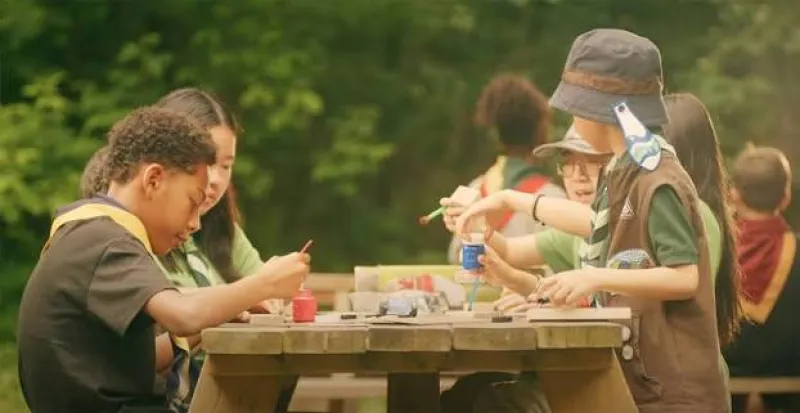
Scouts Canada Launches National Contest: Calling on Kids to Create Canada's Next Great Superhero!
OTTAWA, ON – June 3, 2025 /CNW/ – In a time when national pride is soaring and Canadians are showcasing their unique spirit, Scouts Canada, the coun...Read More

Rewilding Ontario’s Lakes: Community Anglers Restoring Fish Populations
A fresh look at Ontario’s fishing scene reveals a grassroots movement where community anglers, Indigenous wisdom, and habitat restoration projects are working...Read More

Cultivating Seed Sovereignty: How Canadian Farmers are Safeguarding the Future
Discover the growing movement of seed sovereignty among Canadian farmers, its environmental and economic benefits, and how community initiatives are reshaping t...Read More
0 Comments
Post Comment
You will need to Login or Register to comment on this post!