
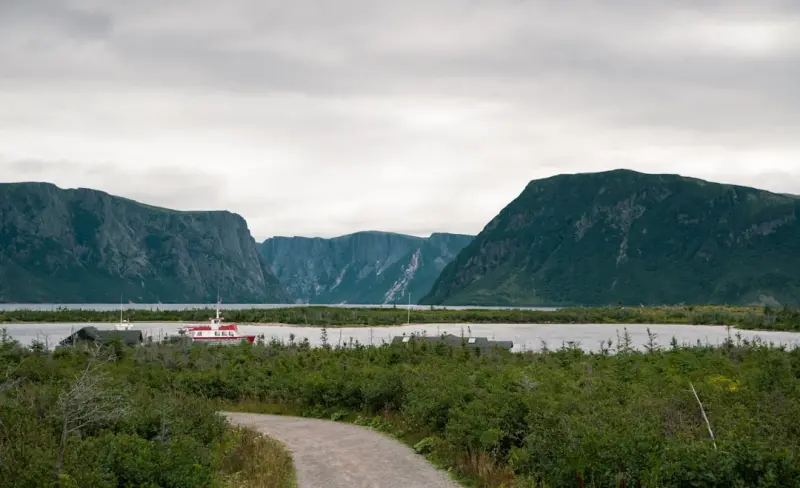
Why Our National Parks Matter More Than Ever
When I first set foot on the mist‑shrouded peaks of the Rockies, I felt the raw pulse of Canada’s wilderness—an ancient rhythm that has guided our nation for centuries. Today, that same pulse is syncing with a new beat: climate innovation. From the rugged coasts of the Atlantic to the sprawling prairies of the West, our national parks are evolving from static preserves into living labs where scientists, Indigenous stewards, entrepreneurs, and everyday visitors collaborate to tackle the climate crisis.
It’s a story that doesn’t fit neatly into headlines about policy or technology alone. It’s about people who wake up before dawn to monitor snowpack melt, engineers who install solar‑powered sensors along remote trails, and artists who paint the changing colors of alpine flora to document subtle shifts. This transformation is reshaping the very identity of our parks, turning them into dynamic platforms for experimentation, education, and economic opportunity.
The Historical Roots of a Living Laboratory
Canada’s national park system has always been a source of pride—a testament to our commitment to preserve natural beauty for future generations. Yet, the original mandate—protecting ecosystems from human exploitation—has broadened. In the last decade, national skills renaissance initiatives have emphasized interdisciplinary training, urging ecologists to work alongside data scientists, policy makers, and community leaders.
What does that mean on the ground? Imagine a ranger who not only tracks wildlife but also interprets satellite data to predict fire risk, or a local Indigenous knowledge keeper who partners with climate modelers to refine projections for river flow. These hybrid roles are the backbone of a new era where the park’s boundaries become a sandbox for solutions that can be scaled across the country.
Technology Meets Tradition: The Role of Connectivity
One of the biggest game‑changers has been the expansion of high‑speed internet into remote regions. The broadband transformation that has been quietly unfolding across the nation now reaches many park outposts that once existed in isolation. This connectivity is more than a convenience—it’s a lifeline for real‑time data collection, remote education, and community engagement.
- Real‑time monitoring: Sensors transmit temperature, humidity, and soil moisture data to research hubs within seconds, allowing scientists to detect early signs of stress in ecosystems.
- Virtual field trips: Schools in urban centres can now join live streams from park research stations, giving students a front‑row seat to climate experiments without leaving their classrooms.
- Citizen science platforms: Hikers and cyclists contribute observations via apps, enriching datasets that inform management decisions.
These digital threads weave together a tapestry of knowledge that bridges the gap between remote wilderness and bustling cities, making climate stewardship a truly national effort.
Indigenous Leadership and Knowledge Integration
Any conversation about Canada’s parks would be incomplete without honoring the stewardship of Indigenous peoples who have tended these lands for millennia. Recent co‑management agreements recognize that traditional ecological knowledge (TEK) is not a relic of the past but a living, adaptable framework essential for modern climate resilience.
Through partnerships, park authorities are integrating TEK with scientific modeling to improve fire management, water conservation, and species protection. For example, the use of controlled burns—guided by Indigenous fire‑keeping practices—has proven effective in reducing the intensity of wildfires, a critical adaptation as fire seasons lengthen.
These collaborations also empower Indigenous youth, offering training pathways that blend ancestral wisdom with cutting‑edge research techniques. The result is a new generation of leaders who can navigate both cultural heritage and climate science, reinforcing the parks’ role as incubators for holistic solutions.
Economic Opportunities: From Micro‑Travel to Green Entrepreneurship
As parks become hubs of innovation, they also spark fresh economic possibilities. The rise of micro‑travel—short, immersive trips focused on sustainability—has attracted a wave of entrepreneurs eager to offer low‑impact experiences.
- Eco‑lodges powered by renewable energy: Small‑scale accommodations that generate their own electricity using solar panels and bio‑energy, reducing dependence on grid power.
- Guided climate‑science tours: Specialists lead visitors through ongoing research projects, turning curiosity into a source of funding for continued study.
- Local craft markets: Artisans showcase goods made from sustainably harvested materials, creating a direct link between park visitors and regional economies.
These ventures not only diversify income for nearby communities but also reinforce the message that protecting the environment can go hand‑in‑hand with prosperity.
Education at the Frontlines: From Classroom to Field
One of the most powerful outcomes of turning parks into living labs is the educational ripple effect. Universities now embed field courses within park boundaries, allowing students to conduct experiments on everything from soil carbon sequestration to the migration patterns of birds affected by shifting temperatures.
Beyond higher education, park programs target younger audiences with hands‑on workshops that teach climate literacy through storytelling, art, and interactive technology. A recent initiative invited middle‑schoolers to design their own low‑impact trail markers, fostering a sense of ownership and stewardship that lasts a lifetime.
These educational experiences are not isolated events; they feed back into research by generating fresh data and innovative ideas from fresh minds. The parks become classrooms, laboratories, and community centers all at once.
Challenges and the Road Ahead
Transforming national parks into climate innovation hubs is not without hurdles. Funding constraints, bureaucratic red tape, and the delicate balance between visitor access and ecosystem protection require careful navigation.
Moreover, climate impacts are accelerating faster than many adaptation measures can be implemented. This urgency demands a collaborative mindset—government agencies, NGOs, private sector, and citizens must co‑design strategies that are flexible and inclusive.
Yet, the momentum is undeniable. Pilot projects that integrate renewable energy, data analytics, and Indigenous stewardship are already yielding measurable benefits—reduced carbon footprints, improved biodiversity indices, and stronger community resilience.
Looking forward, the vision is clear: a network of national parks that not only preserve Canada’s natural heritage but also serve as incubators for solutions that can be replicated in cities, farms, and industrial sectors across the nation.
How You Can Join the Movement
Whether you’re a researcher, a policy maker, an entrepreneur, or a curious traveler, there are tangible ways to become part of this living‑lab revolution:
- Volunteer for citizen science: Contribute observations on wildlife, water quality, or phenology through apps linked to park databases.
- Support Indigenous-led initiatives: Purchase products from Indigenous entrepreneurs who are integrating sustainable practices with cultural preservation.
- Advocate for broadband expansion: Encourage local representatives to prioritize connectivity projects that empower remote research and education.
- Choose micro‑travel experiences: Opt for short, sustainable trips that respect park ecosystems while supporting local economies.
- Invest in green tech startups: Back companies developing low‑impact solutions for park management, such as biodegradable trail markers or solar‑powered wildlife cameras.
Every action, big or small, contributes to a larger tapestry of climate resilience. By viewing our national parks as active participants in the fight against climate change—not just as passive backdrops—we can harness their unique capacity to inspire, educate, and innovate.

Related Posts

National Parks as Cultural Corridors: Weaving Canada’s Shared Story
Canada’s parks are more than scenery—they’re cultural corridors that stitch together Indigenou... Read More

How a Nationwide Broadband Revamp Is Redefining SaaS Success
A deep dive into how the country's new broadband infrastructure is opening untapped SaaS markets, in... Read More

Canada’s Digital Skills Pipeline: A Blueprint for National Economic Resilience
A deep dive into building a nation‑wide digital skills pipeline, outlining early literacy, industr... Read More
Top Posts

Fermented Futures: Unlocking Gut Health with Everyday Foods
Discover how everyday fermented foods like kimchi, kombucha, and miso can transform gut health, reduce waste, and fit seamlessly into a busy lifestyle....Read More

When Convenience Costs More Than You Think
Convenience feels priceless until the bills arrive. This post uncovers the hidden expenses of subscriptions, on‑demand apps, and smart‑home gadgets, offerin...Read More

Zero‑Waste Kitchens: How Real‑Time Data Is Turning Waste Into Profit
Explore the rise of zero‑waste kitchens powered by real‑time data, from smart inventory and supplier collaboration to AI‑assisted menu engineering, and le...Read More

Tariff Turbulence: How Travelers, Foodies, and Marketers Can Thrive in a Shifting Trade Landscape
Tariffs are reshaping travel budgets, food prices, and marketing tactics. Discover actionable tips from Shawn DesRochers to navigate rising costs and turn chall...Read More
0 Comments
Post Comment
You will need to Login or Register to comment on this post!