

Understanding the Mechanics Behind Modern Tariffs
Tariffs have been the buzzword of boardrooms and kitchen tables alike, and I’ve found myself watching the headlines with a mixture of curiosity and concern. As someone who has spent years untangling the jargon of policy for everyday readers, I know the first reaction is often a sigh—another tax on my coffee?—but the reality runs deeper than a simple price tag. In the last few months, the global conversation has pivoted from abstract trade agreements to the very real way a duty on imported steel can raise the cost of a bicycle frame you order online. My own experience, juggling a boutique design studio and a side hustle importing craft supplies, gave me a front‑row seat to the ripple effects that a 25 % tariff can generate across inventory, cash flow, and even client relationships. What’s more, the debate isn’t just about numbers; it’s about who gets to decide what we pay for, and how those decisions echo through local economies and our personal wallets. By the end of our journey together, you’ll see tariffs not as distant policy tools, but as daily variables you can anticipate, negotiate, and even turn to your advantage.
The term “tariff” often gets lumped together with taxes, yet the two serve distinct purposes. A tariff is a levy imposed by a government on goods crossing its borders, primarily designed to protect domestic industries or to generate revenue, whereas taxes fund broader public services without necessarily targeting trade flows. In practice, tariffs can be specific—charged per unit—or ad valorem, calculated as a percentage of the product’s value. International bodies like the World Trade Organization (WTO) set baseline rules, but individual nations still wield considerable discretion, leading to a patchwork of rates that can shift almost overnight. Understanding this framework is crucial because a single change can cascade through supply chains, affecting everything from raw material costs to the final retail price you see on the shelf.
For the average consumer, the most palpable impact of a tariff is a higher price tag on everyday items. Consider the latest smartphone you’ve been eyeing; if its components are sourced from countries now facing elevated duties, manufacturers may pass that extra cost onto you, even if the device is assembled locally. A recent spike in tariffs on certain rare‑earth minerals—essential for battery technology—has already nudged up the average price of high‑performance laptops by a few dollars per unit. While those increments might seem modest, they accumulate over time, especially for households that rely heavily on imported electronics, appliances, or even fashion accessories. This subtle inflation can strain budgets, prompting shoppers to rethink brand loyalty or seek alternatives, and it underscores why tariff news is worth more than a fleeting glance.
Why Tariffs Matter to Small Businesses and Entrepreneurs
Running a small business in today’s global market feels a bit like sailing a tiny vessel through a stormy sea of regulations, and tariffs are one of the most unpredictable waves. When a duty is levied on a key component—say, the aluminum used in custom furniture frames—your cost of goods sold can swell dramatically, forcing you to either absorb the expense, raise prices, or scramble for a new supplier. Each option carries its own risk: absorbing the cost eats into profit margins, price hikes can alienate price‑sensitive customers, and switching suppliers may introduce quality or lead‑time concerns. My own studio faced this dilemma when a sudden 15 % tariff on imported fabrics threatened an upcoming collection launch; the solution required a blend of rapid negotiation and creative sourcing that saved the line from cancellation.
Strategically, the smartest small‑business owners treat tariffs as a variable in their financial models rather than a surprise expense. Building a buffer into pricing structures, maintaining diversified supplier portfolios, and leveraging local alternatives can all mitigate exposure. Moreover, some governments offer tariff‑reduction programs or exemptions for small enterprises that meet certain criteria, such as using domestically produced inputs or operating in designated economic zones. Staying vigilant about policy updates, and even engaging with trade associations, can surface opportunities to apply for relief before a duty becomes a sunk cost. In short, the proactive mindset turns a potential threat into a manageable factor within your broader growth plan.
Technology has become an unlikely ally in the tariff‑taming arena. Real‑time data platforms can flag upcoming duty changes, simulate cost impacts, and even suggest alternative sourcing routes. For instance, integrating real‑time decision dashboards into your procurement workflow allows you to visualize how a 10 % increase on imported steel would affect your quarterly forecasts, giving you the leverage to renegotiate contracts before the invoice arrives. These tools, once the preserve of large corporations, are now affordable enough for boutique firms and freelancers who need that extra layer of insight to stay competitive without hiring a full‑time analyst.
Staying Informed and Turning Tariff Talk into Action
Awareness is the first line of defense, but knowledge alone doesn’t shield you from the ripple effects of trade policy. Engaging with regulatory deep‑dive resources can demystify the language of tariffs and help you anticipate future shifts. A well‑curated regulatory deep‑dive resource series, for example, breaks down complex legislation into bite‑size takeaways that are directly applicable to business owners and everyday shoppers alike. By setting aside a few minutes each week to review these updates, you can spot patterns—such as a wave of protectionist measures targeting a specific sector—and adjust your strategy before competitors are caught off guard.
Consumers also wield power through collective voice. When tariff hikes threaten to erode purchasing power, organized advocacy groups can lobby for exemptions, rebates, or phased implementations that soften the blow for households. Joining local business chambers or consumer coalitions amplifies your concerns, turning individual frustration into a unified call for balanced trade policies. In my experience, a small coalition of retailers successfully petitioned for a temporary relief on a tariff affecting imported organic teas, resulting in a modest rebate that kept shelf prices stable during a critical sales quarter.
Looking ahead, the tariff landscape is unlikely to settle into a predictable rhythm. Geopolitical tensions, shifting alliances, and evolving economic priorities mean that new duties can emerge as quickly as old ones are lifted. Yet this volatility also opens doors for innovators who can reimagine supply chains, champion domestic production, or harness emerging markets less affected by current trade disputes. By treating tariffs as a dynamic element of your business ecosystem—one that you monitor, model, and, when possible, influence—you position yourself to thrive no matter which way the policy winds blow.
Finally, if the prospect of navigating tariffs feels overwhelming, remember that practical cost‑cutting strategies can offset many of the added expenses. A well‑designed practical cost‑cutting playbook can uncover hidden efficiencies in everything from software subscriptions to shipping contracts, freeing up capital to absorb or counteract tariff impacts. Pairing these savings with the proactive measures discussed above creates a resilient financial foundation, ensuring that a new duty doesn’t derail your growth trajectory. Stay curious, stay informed, and turn every tariff challenge into a stepping stone toward smarter, more agile entrepreneurship.

Related Posts

Tariff Fatigue in SaaS: Turning Duty Shock into Strategic Advantage
Tariff fatigue is reshaping SaaS economics. This article reveals how hardware duties, regulatory cas... Read More
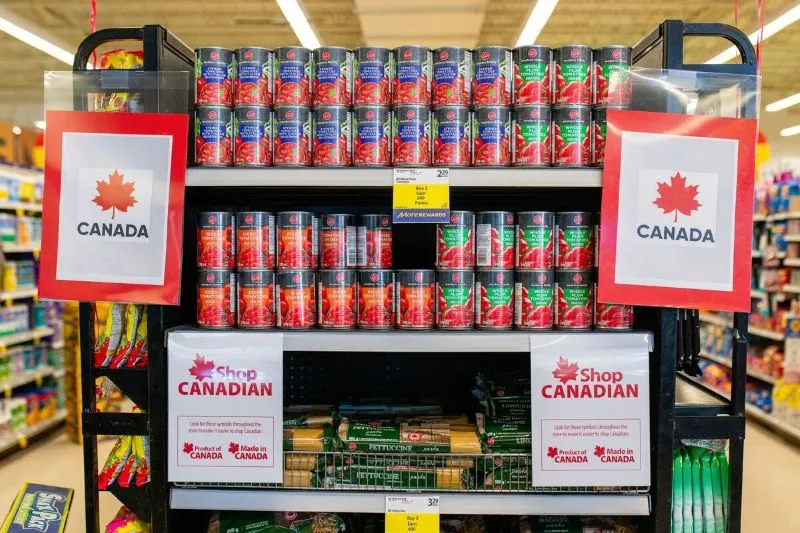
How Canadians are Standing Up to Trump's Tariffs in the Grocery Aisles
For years, Canada and the United States enjoyed a relatively harmonious trade relationship. However,... Read More

The Impact of Tariffs on Canadian Agriculture: A Growing Concern
Tariffs are having a significant impact on Canadian agriculture, causing economic uncertainty and me... Read More
Top Posts

The Rise of Travel‑First Co‑Living: Redefining Work, Play, and Community
Travel‑first co‑living hubs are transforming tourism by offering integrated workspaces, vibrant community programs, and sustainable design, enabling remote ...Read More

Conversational Commerce: Turning Chat Into Revenue
Explore the rise of conversational commerce, learn practical strategies for chat‑first marketing, and see real‑world examples of brands turning dialogue int...Read More

Beyond the Balance Sheet: The Emotional Toll of Everyday Spending
A deep dive into the psychological costs of daily spending, from decision fatigue to status signaling, offering actionable steps to improve both financial healt...Read More

Breathing New Life into Everyday Health
Paige shares her personal journey with breathwork, offering quick, science-backed exercises that anyone can slip into a busy day—turning ordinary moments into...Read More
0 Comments
Post Comment
You will need to Login or Register to comment on this post!