
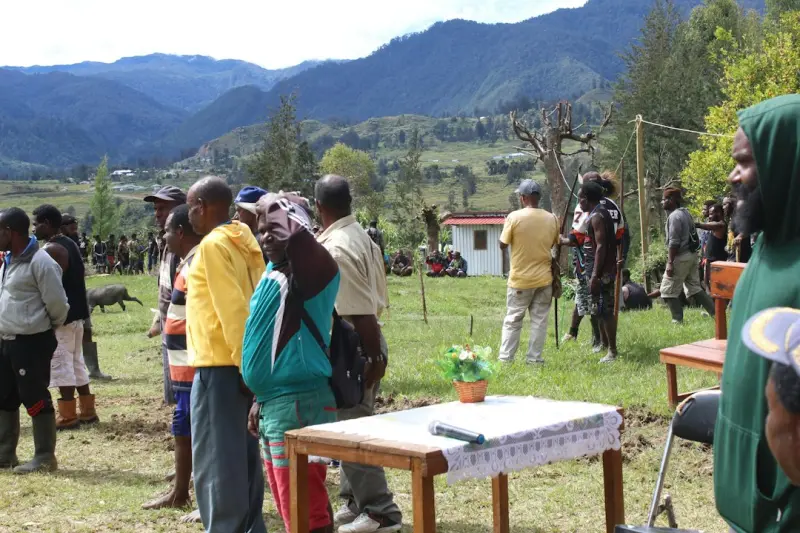
Indigenous Voices at the Table: How First Nations are Re‑shaping Canada’s Political Landscape
When I first moved to Ottawa for a short‑term consultancy, I thought the city’s iconic Parliament Hill was the ultimate symbol of Canadian democracy. The marble steps, the ceremonial guards, the endless stream of media cameras—everything screamed “nation‑wide governance.” Yet, as I settled into my apartment and started chatting with neighbours over coffee, I quickly realized that the real heartbeat of Canadian politics was pulsing far beyond those historic stones. It was in the council chambers of remote First Nations, the policy roundtables in northern Alberta, and the spirited town‑hall meetings of coastal Mi’kmaq communities.
Over the past few years, we’ve witnessed an unprecedented surge of Indigenous participation in federal decision‑making. From the historic United Nations Declaration on the Rights of Indigenous Peoples (UNDRIP) being incorporated into Canadian law to the emergence of Indigenous‑led political parties, the fabric of our national conversation is being rewoven with threads that have long been ignored.
The Legislative Shift: From Consultation to Co‑creation
Historically, the federal government treated Indigenous input as a box‑checking exercise—“consultation” that often resulted in token acknowledgments. Today, that paradigm is shifting. Recent legislative amendments now require co‑creation of policies that directly affect Indigenous lands, resources, and cultural heritage. This means ministries must partner with Indigenous governing bodies from the drafting stage, not just after the fact.
Take the recent overhaul of the natural resources framework. Instead of a top‑down approach, the ministry convened a series of joint working groups that included leaders from the Assembly of First Nations, Inuit Tapiriit Kanatami, and the Métis National Council. The result? A more nuanced policy that acknowledges traditional ecological knowledge (TEK) alongside modern scientific data.
Electoral Reform and the Rise of Indigenous‑Led Parties
While the country debates electoral reform, Indigenous leaders are seizing the moment to establish their own political platforms. The First Nations Political Alliance (FNPA) launched its first slate of candidates in the recent federal election, focusing on sovereignty, land rights, and climate stewardship. Though still nascent, the FNPA’s presence has forced mainstream parties to reconsider their platforms on Indigenous issues, leading to more concrete commitments rather than vague statements.
What’s particularly striking is the strategic use of digital tools to amplify these voices. Community‑owned broadband initiatives have been pivotal in bridging the digital divide, ensuring remote communities can engage in real‑time policy discussions. As a testament to this, the push for community‑owned broadband has not only improved connectivity but also empowered Indigenous activists to organize nationwide campaigns from their own territories.
Judicial Landscape: The Growing Power of Indigenous Litigation
Beyond legislative avenues, the courts have become a critical arena where Indigenous rights are asserted. Recent Supreme Court decisions have affirmed the duty to consult and accommodate Indigenous peoples, setting precedents that ripple through all levels of government.
- Resource extraction cases: Companies now face stricter requirements to obtain free, prior, and informed consent before commencing projects.
- Environmental stewardship: Courts have recognized Indigenous guardianship over vast tracts of wilderness, granting them standing to challenge federal approvals.
- Child welfare reforms: Legal challenges have prompted the government to re‑evaluate the over‑representation of Indigenous children in foster care.
These rulings have a domino effect, compelling policymakers to embed Indigenous perspectives early in the policy‑making process, lest they risk costly legal setbacks.
Economic Partnerships: From Extraction to Sustainable Development
Economic development in Indigenous territories is undergoing a transformation. No longer are the narratives limited to resource extraction; instead, we’re seeing a rise in Indigenous‑owned renewable energy projects, cultural tourism ventures, and technology incubators.
One striking example is the partnership between a group of Cree entrepreneurs and a national clean‑energy firm to develop a solar farm on reclaimed mining land. This project not only creates jobs but also serves as a model for reconciling economic growth with environmental stewardship—principles deeply rooted in Indigenous worldviews.
Education and Youth Engagement: Planting Seeds for Future Governance
Perhaps the most promising sign of lasting change is the surge in Indigenous youth participation in politics. Programs that blend traditional knowledge with civic education are nurturing a new generation of leaders who are comfortable navigating both their cultural heritage and the modern political arena.
In the northern territories, youth councils now sit alongside municipal boards, offering recommendations on everything from housing policy to climate adaptation. These councils have been instrumental in shaping provincial strategies that reflect the lived realities of remote communities.
The Media Narrative: Shifting from Marginalization to Center Stage
Media coverage has also evolved. Whereas Indigenous issues were once relegated to occasional feature stories, today they dominate national news cycles, especially when intersecting with climate policy, resource development, and human rights. This increased visibility pressures politicians to act responsibly and transparently.
Moreover, Indigenous journalists are leveraging digital platforms to tell their own stories, bypassing traditional gatekeepers. This grassroots storytelling is reshaping public perception, fostering empathy, and building broader support for Indigenous‑led initiatives.
Challenges Ahead: Balancing Sovereignty with Federal Unity
Despite these advances, significant challenges remain. The tension between Indigenous sovereignty and the federal government’s authority continues to spark debate. Critics argue that increased Indigenous influence could fragment national unity, while supporters contend that true reconciliation demands power sharing.
Finding equilibrium will require innovative governance structures—perhaps a reimagined Senate with guaranteed Indigenous representation, or a federal‑Indigenous advisory council with binding authority. Such mechanisms could ensure that Indigenous voices are not just heard but have the capacity to shape outcomes.
What This Means for Business Leaders and Policymakers
For executives navigating Canada’s regulatory environment, understanding this political shift is no longer optional. Companies that proactively engage with Indigenous partners can mitigate risk, unlock new market opportunities, and demonstrate corporate responsibility.
- Risk management: Early collaboration reduces the likelihood of costly legal challenges.
- Market access: Indigenous partnerships open doors to remote regions rich in resources and talent.
- Reputation: Demonstrating respect for Indigenous rights enhances brand credibility domestically and internationally.
Policymakers, too, must adapt. Crafting legislation that respects Indigenous autonomy while maintaining national cohesion will require humility, openness, and a willingness to co‑design solutions.
Looking Forward: A More Inclusive Canadian Democracy
Canada stands at a crossroads. The surge of Indigenous participation in politics signals a move toward a more inclusive democracy—one that honors the nation’s founding treaties and embraces the diversity of its peoples. As we watch this evolution unfold, it becomes clear that the future of Canadian politics will be defined not by who sits on the marble steps of Parliament, but by the collaborative spirit that bridges the gaps between urban centres and remote territories.
In the words of one young Cree activist I recently met, “Our voices are not a footnote; they are the headline.” As the nation continues to rewrite its story, those headlines will increasingly feature Indigenous leadership, resilience, and vision.

Related Posts

Canada’s Political Crossroads: Independent Voices and Digital Democracy
A deep dive into the rise of independent MPs, digital democracy, and how these forces are redefining... Read More
Inside the Senate Shake‑Up: Why Canada’s Upper Chamber Is on the Brink
The Senate, once a quiet “sober second thought,” faces unprecedented scrutiny. This article exam... Read More
The Senate’s Second Act: Democratizing Canada’s Upper Chamber
The Senate, long seen as a ceremonial body, is on the brink of a democratic overhaul. This article e... Read More
Top Posts

The Quiet Tech Revolution: How Canadian Farmers Are Future‑Proofing Their Fields
Canadian farmers are quietly transforming agriculture with soil sensors, drones, and collaborative data platforms, blending modern tech with Indigenous wisdom t...Read More

Bridging Traditions: Indigenous Healing in Modern Canadian Healthcare
This article examines the growing integration of Indigenous healing traditions into Canada’s mainstream health system, highlighting success stories, policy ne...Read More

Cottage Revival: Remote Work Meets Lakefront Living
Remote work is breathing new life into Canada’s beloved cottages, turning weekend getaways into year‑round hubs of productivity, community, and sustainable ...Read More

The Secret Sauce: How Storytelling Is Turning Meals Into Viral Experiences
Ann Cinzar explores how powerful food stories—from balcony gardens to AR‑enhanced menus—are turning ordinary meals into shareable, viral experiences that ...Read More
0 Comments
Post Comment
You will need to Login or Register to comment on this post!