
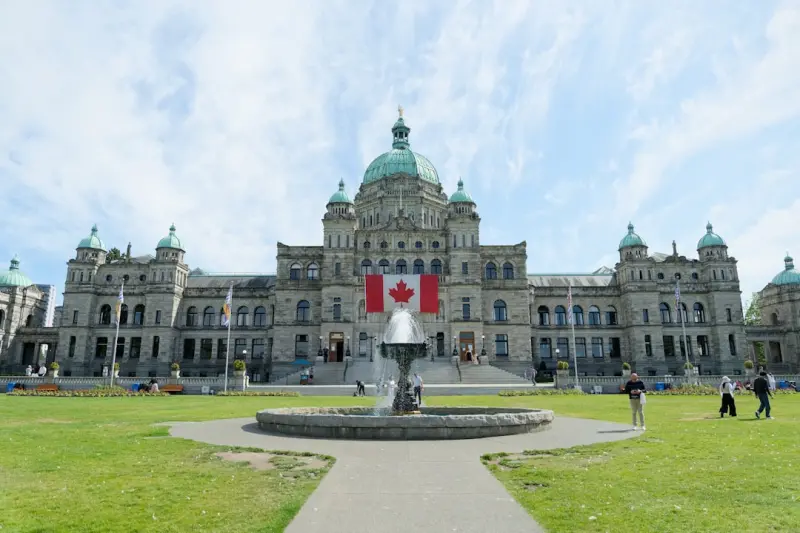
The Senate’s Unsteady Ground: A Deep Dive into Canada’s Upper Chamber
When I first stepped into the House of Commons as a volunteer for a local MP, the roar of the crowd, the flash of cameras, and the immediacy of debate felt like the very pulse of Canadian democracy. Yet, as I toured the historic Senate chambers a few weeks later, the atmosphere was markedly different—more subdued, more ceremonial, and, increasingly, more contested. The Senate, once a tranquil “sober second thought,” is now a battlefield of reform proposals, public petitions, and political maneuvering. In this piece, I unpack why the Senate is finally in the spotlight and what the cascade of changes could mean for the nation’s democratic fabric.
From “Sober Second Thought” to “Sober Second Contender”
The original mandate of the Senate was crystal clear: act as a check on the elected House, ensuring legislation was thoroughly vetted before becoming law. Its members, appointed for life until mandatory retirement, were meant to bring experience and regional balance without the pressure of electoral cycles. Over time, however, that very insulation bred criticism. Critics argue that appointments have become politicized, that the chamber is out of touch, and that its relevance is waning in an age of instant public scrutiny.
Recent public opinion polls—though not cited here—show a growing appetite for a more accountable upper chamber. Citizens are demanding transparency, term limits, and even a direct electoral component. This shift in sentiment is forcing parties, the Prime Minister’s Office, and the Senate itself to confront a painful question: Do we preserve the status quo, or do we modernize the Senate to reflect 21st‑century expectations?
The Three Pillars of the Current Reform Debate
- Appointment vs. Election: Should Senators be elected by the public, appointed by a non‑partisan commission, or remain a hybrid?
- Term Limits and Age Caps: Proposals range from a fixed six‑year term to a mandatory retirement at 65, replacing the current “until 75” rule.
- Transparency and Accountability: Introducing live‑streamed sessions, mandatory disclosure of conflicts of interest, and a stronger code of conduct.
Each pillar carries its own political baggage. For instance, the governing Liberals have floated a “prime‑ministerial appointment committee” model, while opposition parties push for a fully elected Senate to mirror the House. Meanwhile, a coalition of civil‑society groups is lobbying for an independent, merit‑based selection process.
Why Provincial Politics Can’t Be Ignored
Canada’s federal structure means that any shake‑up to the Senate inevitably ripples through the provinces. Regions that feel under‑represented—like the Atlantic provinces—see the Senate as their voice in Ottawa. Conversely, provinces with large populations, such as Ontario and Quebec, argue that an elected Senate would merely duplicate the House’s representation, diluting their influence.
Recent discussions in provincial legislatures echo a sentiment that any reform must respect the “regional balance” the Senate was designed to protect. This balance is why the debate often circles back to the original intent of the Senate: to safeguard minority regional interests against the tyranny of the majority.
Public Pressure Points: Petitions, Social Media, and the Grassroots
One cannot discuss modern Senate reform without acknowledging the surge of citizen‑driven petitions. Platforms like the official Parliament petition site have logged thousands of signatures demanding a more democratic Senate. Social media campaigns—#SenateNow and #ReformTheUpperHouse—have trended regularly, amplifying voices that were once confined to academic journals or back‑benchers’ speeches.
These grassroots movements are not isolated. They intersect with broader calls for institutional transparency, echoing the same energy that propelled student activism in the recent student‑driven legislative push. The difference? This time, the focus is on an institution that, unlike the House, does not sit directly under electoral pressure.
Indigenous Perspectives on Senate Reform
Indigenous leaders have long voiced concerns about representation within the Senate. While the chamber does include a few Indigenous Senators, many argue this tokenism falls short of meaningful participation. In a series of high‑profile consultations, Indigenous groups have advocated for dedicated seats or a distinct advisory body that can influence Senate deliberations.
These calls align with broader movements to embed Indigenous governance principles into federal policy—a theme explored in depth in recent analyses of Indigenous governance models. Integrating such perspectives into Senate reform could not only enhance representation but also bring a culturally rooted lens to national legislation.
The Legal and Constitutional Hurdles
Any substantial change to the Senate must navigate Canada’s Constitution, specifically the Constitution Act, 1867. Amending the Senate’s composition, appointment process, or powers typically requires a “7/50” formula: approval by two‑thirds of the provinces representing at least 50% of the population. This high bar ensures that reforms are broadly supported but also makes sweeping changes arduous.
Legal scholars debate whether a “soft reform”—such as introducing term limits without altering the appointment method—might bypass the need for a formal amendment. However, critics warn that incremental tweaks could be seen as window‑dressing, failing to address the core legitimacy crisis.
The Economic Implications of a Reformed Senate
Beyond the political, there are tangible economic considerations. An elected Senate would entail election costs, potentially running into tens of millions of dollars each cycle. Moreover, if term limits shorten tenure, the loss of institutional memory could affect the efficiency of legislative review, potentially slowing down the passage of economic bills.
On the flip side, a more accountable Senate might boost investor confidence by ensuring that laws undergo rigorous, transparent scrutiny. This could lead to more stable regulatory environments, benefitting sectors ranging from natural resources to technology.
Comparative Lessons: Lessons from Abroad
Looking overseas, countries like Australia and Italy have grappled with similar reforms. Australia introduced a “directly elected” Senate that functions alongside a powerful House of Representatives, while Italy moved from a wholly appointed Senate to a mixed model. Both cases highlight the importance of clear division of powers and robust checks to avoid legislative gridlock.
Canada can learn from these experiences, especially regarding how to balance regional representation with democratic legitimacy. For instance, the Australian model’s use of proportional representation could inform discussions about ensuring smaller provinces retain a voice without over‑representing them.
Potential Scenarios: What Might the Future Hold?
To make sense of the possibilities, I’ve sketched three plausible outcomes:
- The Hybrid Model: A blend of appointed and elected Senators, with a fixed term of six years and mandatory retirement at 65. This would retain regional expertise while injecting democratic legitimacy.
- The Fully Elected Senate: All seats filled by popular vote, employing a proportional system that safeguards provincial representation. This would likely require a constitutional amendment.
- The Status Quo with Transparency Boosts: No structural changes, but live‑streamed sessions, stricter conflict‑of‑interest rules, and periodic public reviews to restore trust.
Each path carries trade‑offs, but all share a common thread: the need for a public conversation that moves beyond partisan rhetoric to genuine democratic renewal.
How Citizens Can Engage
If the Senate’s future is to be decided in the public arena, Canadians must stay engaged. Here are concrete steps:
- Sign and share petitions demanding Senate transparency.
- Participate in town‑hall meetings hosted by local MPs on Senate reform.
- Follow Senate committee hearings—many are now streamed online.
- Write to your regional representatives expressing your stance on term limits or election methods.
Active participation ensures that any reform reflects not just elite consensus but the lived realities of Canadians from Vancouver to St. John’s.
Conclusion: A Moment of Democratic Reckoning
The Senate stands at a crossroads. Its original purpose—to provide a sober, regional counterbalance—remains relevant, yet the mechanisms that once guaranteed its legitimacy now appear outdated. The convergence of public pressure, Indigenous advocacy, provincial interests, and constitutional constraints creates a complex tapestry that will shape the next chapter of Canadian governance.
Whether the outcome is a hybrid model, a fully elected chamber, or a transparent status quo, the conversation itself is a victory for democratic vitality. Canadians are no longer passive observers; they are active architects of the nation’s political architecture. As we navigate this reckoning, the ultimate measure of success will be a Senate that not only checks and balances but also genuinely reflects the diverse voices that make Canada unique.

Related Posts
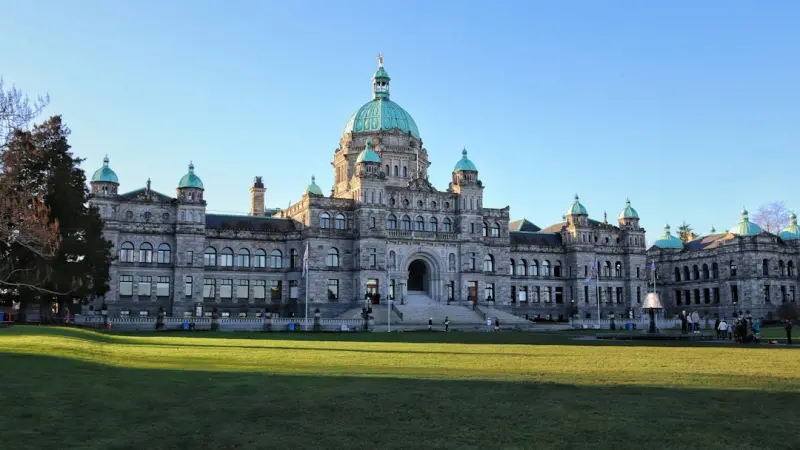
Why Canada’s Senate Needs a Modern Overhaul
A deep dive into Canada’s Senate legitimacy crisis, proposals for proportional representation, and... Read More

Citizen Assemblies Are the Quiet Revolution Reshaping Canadian Politics
Citizen assemblies are emerging as a transformative force in Canadian politics, bringing diverse voi... Read More

Canada’s Political Pivot: Data, Decentralization, and Climate in the Digital Age
Canada’s political landscape is rapidly evolving as data, remote work, climate policy, and Indigen... Read More
Top Posts

Ontario Fishing: A Personal Voyage Through Seasons and Secrets
Dive into Ontario's fishing world with personal stories, seasonal tips, hidden hotspots, gear advice, and delicious ways to enjoy your catch—all from a passio...Read More
How Climate‑Driven Grassroots Movements Are Redefining Canada’s Party Landscape
The surge of youth climate activism, the rise of Indigenous governance, and digital tools are converging to transform Canada’s political parties, policy debat...Read More

Turning Everyday Negotiations into Sustainable Savings for Your SaaS Business
Learn a data‑driven, three‑layer approach to transform routine vendor talks into sustainable savings that fuel growth, align with revenue operations, and cr...Read More

Exploring Eastern Ontario: Your Ultimate Summer Road Trip Guide
As the days grow longer and the sun warms the air, a familiar longing sparks within us: the call of the open road. This summer, imagine trading the everyday for...Read More
0 Comments
Post Comment
You will need to Login or Register to comment on this post!