
Understanding the New Populist Surge
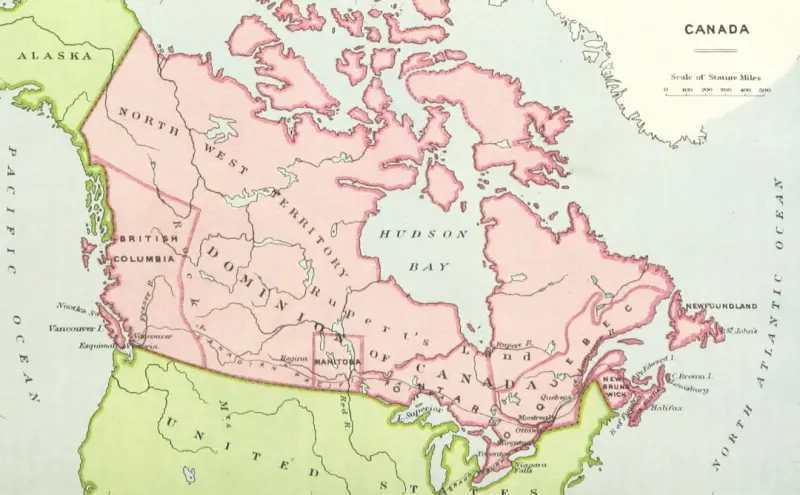
Across the vast tapestry of Canada’s provinces and territories, a wave of region‑specific populist movements is gaining traction, fueled by a blend of economic anxiety, cultural pride, and a perception that Ottawa’s decision‑makers are increasingly out of touch with local realities; from the oil‑rich heartlands of Alberta to the resource‑dependent communities of Newfoundland and Labrador, grassroots campaigns are rallying under banners that promise “real‑Canadian” solutions and a reclamation of provincial autonomy. This surge is reshaping the political calculus for the traditional parties, forcing them to confront a reality where voters are no longer content with the status quo and are demanding bold, place‑based policy prescriptions that speak directly to their daily concerns.
The emergence of these movements is not merely a reaction to policy disagreements but a deeper, structural challenge to the centrist consensus that has long underpinned federal governance; by foregrounding regional identities and leveraging social‑media echo chambers, they have managed to translate localized frustrations into coordinated electoral pressures, compelling national leaders to reconsider the balance between national cohesion and provincial distinctiveness. In this climate, the old playbook of blanket policy proposals is giving way to a more nuanced, “by‑province” approach that seeks to respect the unique economic drivers and cultural narratives that define each corner of the country.
What makes this phenomenon especially compelling is its ability to draw support from across the political spectrum, uniting disaffected voters who might otherwise find themselves at odds on issues such as climate policy, indigenous rights, or fiscal management; the common thread is a yearning for a more responsive, transparent government that acknowledges the lived experiences of Canadians outside the metropolitan corridors of power. This cross‑ideological coalition is creating a new political fault line that threatens to redraw the map of Canadian electoral politics in ways that have rarely been seen since the rise of the Reform Party in the 1990s.
Policy Tug‑of‑War: Federal vs. Provincial
At the heart of this emerging tension lies a series of policy battlegrounds where federal ambitions clash with provincial prerogatives, ranging from carbon pricing frameworks to health‑care funding formulas; provinces such as British Columbia and Quebec have already pushed back against national climate targets, arguing that a one‑size‑fits‑all approach overlooks regional economic dependencies and the practicalities of implementation on the ground. These disputes are not merely bureaucratic; they resonate deeply with voters who view federal mandates as encroachments on their livelihoods, fueling a narrative that the centre is out of step with the realities of daily life in their communities.
Meanwhile, fiscal federalism is being renegotiated under the pressure of growing deficits and shifting demographic trends, with some provinces demanding greater control over taxation powers to fund locally designed infrastructure projects, while the federal government insists on a coordinated national strategy to ensure equitable service delivery across the country. The resulting stalemate has sparked a series of high‑profile negotiations, court challenges, and, in some cases, outright legislative defiance, illustrating how the balance of power is being tested in real time. For observers of Canadian politics, these developments underscore the delicate act of maintaining national unity while respecting the constitutional authority vested in provinces.
Adding another layer of complexity, the digital realm is amplifying these policy disputes, as citizens increasingly turn to online platforms to voice dissent and organize collective action; the recent analysis of digital democracy highlights how social media algorithms can both empower regional voices and deepen polarization, creating feedback loops that intensify pressure on policymakers. In this environment, traditional party messaging must adapt to a faster, more fragmented information ecosystem, where localized grievances can quickly become national headlines, further destabilizing the conventional channels of political negotiation.
Future Scenarios and Civic Engagement
Looking ahead, the trajectory of Canada’s political landscape could diverge along several plausible pathways: one scenario envisions a more decentralized federation where provinces wield greater legislative authority, fostering tailored policy solutions that reflect regional strengths and constraints; another foresees a renewed push for national cohesion, driven by a coalition of centrist parties that double down on inclusive, cross‑regional platforms designed to bridge the growing divides. Both outcomes hinge on how effectively leaders can translate public frustration into constructive dialogue, rather than allowing it to fester into entrenched opposition.
Amid these strategic calculations, civil society groups and community broadcasters are emerging as crucial mediators, offering platforms for nuanced debate and facilitating grassroots participation; the revitalization of public media, as chronicled in Reviving National Radio, demonstrates how trusted local voices can counterbalance the noise of partisan spin and provide citizens with reliable information that encourages informed voting. By investing in these democratic infrastructure elements, Canada can nurture a more resilient civic culture that values both regional particularities and shared national goals.
Ultimately, the rise of regional populist movements is a signal that Canadian democracy is at a crossroads, demanding a careful recalibration of how power is distributed, how policies are crafted, and how citizens are engaged; the challenge for policymakers will be to harness this energy constructively, turning discontent into a catalyst for innovation rather than a source of fragmentation. In doing so, Canada has the opportunity to emerge with a more responsive, adaptable governance model that respects the diversity of its peoples while preserving the core principles that have long underpinned its political stability.

Related Posts

How AI Is Rewriting the Playbook for Canadian Campaigns
AI is revolutionizing Canadian politics, from hyper‑targeted campaign messages to data‑driven po... Read More
Citizen Assemblies: Re‑energizing Canadian Democracy
A deep dive into citizen assemblies as a fresh democratic tool, blending Indigenous consensus tradit... Read More

Federal‑Provincial Tug‑of‑War Over Housing and Climate Funding
Canada’s political arena is now dominated by a clash over who controls funding for affordable, net... Read More
Top Posts

The Hidden Art of Deal Stacking: How to Multiply Savings on Every SaaS Purchase
Alex Moss reveals a systematic approach to “deal stacking,” showing how volume discounts, bundling, timing, and reference incentives can combine to slash Sa...Read More

Parental Warning: The Psychological Tug‑of‑War Behind Free‑to‑Play Kids Games
Free‑to‑play games appear harmless, but they employ subtle psychological tricks and data collection to drive micro‑transactions from children. This articl...Read More

Unlocking Hidden Savings: How to Turn Everyday Routine into a Deal Goldmine
Learn innovative, habit‑forming tactics that turn everyday activities into a steady stream of savings, using tools, community swaps, and smart timing....Read More

Tariff Tactics: Turning Trade Barriers into a Competitive Edge for SaaS Leaders
A deep dive into turning tariff challenges into growth opportunities for SaaS leaders, covering dynamic pricing, local partner ecosystems, compliance‑driven p...Read More
0 Comments
Post Comment
You will need to Login or Register to comment on this post!