
Reimagining Community Health: How Local Data Cooperatives Are Shaping Canadian Care
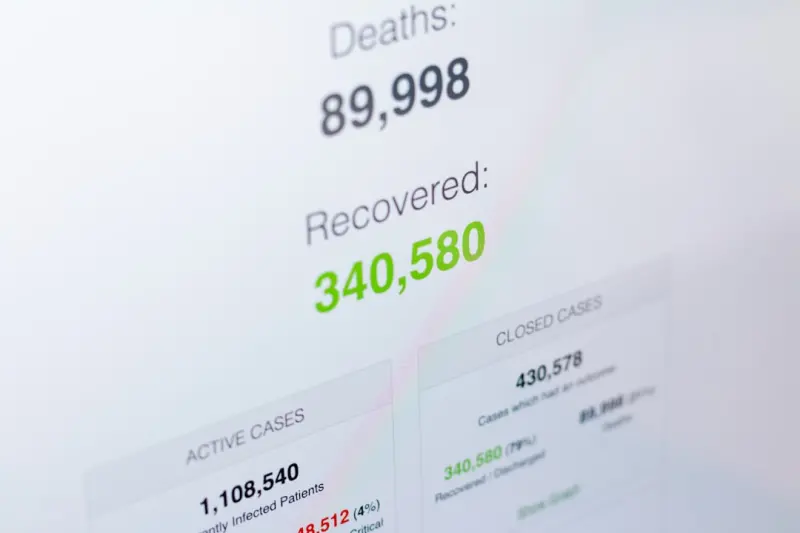
When I first stepped into a modest community health centre in northern British Columbia, I expected to see the usual triad of waiting room magazines, a squeaky‑clean reception desk, and the soft hum of fluorescent lights. What I found instead was a modest wall of screens displaying real‑time health metrics that belonged to the very people sitting in the chairs across from me. The data weren’t coming from a distant provincial database or a corporate SaaS platform; they were generated, owned, and interpreted by the community itself.
This glimpse of a patient‑centric data cooperative sparked a question that has lingered ever since: What if Canadians could collectively steward their health information, turning it into a resource that fuels local innovation, improves outcomes, and respects cultural nuances?
Why the Traditional Model Is Stuck
The Canadian healthcare system has long been lauded for its universal coverage, yet the infrastructure for managing health data remains fragmented. Provincial ministries guard silos of electronic health records (EHRs) that rarely talk to one another, and private vendors often sit atop the stack, charging hefty fees for integration and analytics.
Consequently, clinicians spend precious hours wrestling with paperwork, patients encounter inconsistent care pathways, and researchers face an uphill battle obtaining the granular, consent‑driven data needed for meaningful studies. The status quo treats data as a commodity owned by the system rather than a shared asset of the community.
Enter the Health Data Cooperative
A health data cooperative is a not‑for‑profit collective where members—patients, providers, and local organisations—jointly own and govern the data they generate. Think of it as a credit union for health information:
- Member‑owned: Each participant holds an equity stake, ensuring decisions reflect collective priorities.
- Transparent governance: A board elected by members oversees data policies, privacy safeguards, and revenue distribution.
- Localized analytics: Instead of a one‑size‑fits‑all dashboard, cooperatives build tools that address the specific health challenges of their community—be it diabetes prevalence in a First Nations reserve or seasonal mental‑health spikes in a northern town.
These cooperatives aren’t a pipe dream. Pilot projects across Ontario, Manitoba, and the Yukon have already demonstrated tangible benefits, from reducing emergency‑room visits through predictive alerts to empowering patients to negotiate better care plans.
Indigenous Wisdom Meets Modern Analytics
One of the most compelling aspects of data cooperatives is their ability to honor Indigenous knowledge systems. In many First Nations, health isn’t merely the absence of disease; it’s a holistic balance of physical, spiritual, emotional, and communal well‑being. Traditional healers, community elders, and western clinicians can all feed their observations into a shared repository, creating a richer, more nuanced picture of health.
Take the example of the Cree Nation’s “Miywâsis” initiative—a data cooperative that blends community‑reported wellness scores with clinical biomarkers. By giving elders a voice in the data pipeline, the project has uncovered seasonal patterns of respiratory illness tied to traditional hunting cycles, enabling proactive community outreach that respects cultural practices.
Economic Incentives Without the Profit‑First Pressure
Unlike commercial SaaS platforms that chase subscription revenue, cooperatives can generate income by licensing de‑identified datasets to research institutions, pharmaceutical firms, or public‑health agencies. The proceeds flow back to the members, funding health‑promotion programs, equipment upgrades, or even community scholarships.
Because the cooperative model eliminates the middleman, the cost of data storage and analysis can be dramatically reduced. Members can choose open‑source analytics tools, ensuring that the technology stack remains transparent and adaptable.
Building Trust Through Consent‑Driven Design
Privacy concerns are at the heart of any data‑centric conversation, especially in healthcare. Cooperatives address this head‑on by embedding consent mechanisms directly into the data collection workflow. Participants can opt‑in to share specific data points, set expiration dates, and revoke access at any time.
These granular consent options not only comply with Canada’s privacy legislation but also foster a culture of agency. When people see their data actively shaping community services—like a new mobile clinic route or a targeted flu‑shot campaign—they’re more likely to stay engaged.
Technology Stack: The Underlying Engine
While the cooperative ethos is social, the technical backbone must be robust. Most pilots rely on a blend of the following components:
- Federated Learning Platforms: Allow machine‑learning models to train across distributed data sources without moving raw data, preserving privacy.
- Interoperability Standards (FHIR, HL7): Ensure that data from varied EHRs, wearables, and community surveys can speak the same language.
- Blockchain‑based Ledger: Provides immutable audit trails for data access, reinforcing trust.
- Open‑Source Visualization Tools (e.g., Grafana, Superset): Enable members to build custom dashboards without vendor lock‑in.
For those unfamiliar with these technologies, think of federated learning as a way for a group of doctors to collectively improve a diagnostic algorithm without ever exposing patient records to each other—a concept that mirrors the cooperative’s philosophy of shared insight without sacrificing sovereignty.
Policy Landscape: Where Do We Fit?
Canada’s health‑data policies are evolving. The SaaS Legal Playbook highlights a growing emphasis on data portability and patient rights, which aligns neatly with cooperative principles. Moreover, provincial health ministries are beginning to pilot “data trusts,” a legal framework that could dovetail with the cooperative model, offering a clear pathway for scaling these initiatives.
Nevertheless, challenges remain. Funding streams are typically earmarked for direct patient care, leaving limited room for data infrastructure. To overcome this, advocates are lobbying for dedicated “data stewardship” grants, arguing that investment now yields downstream savings through better preventive care.
Case Study: The Halifax Health Collective
In Halifax, a coalition of three community clinics, a university research centre, and a local Indigenous group formed the Halifax Health Collective (HHC). Within six months, they achieved:
- A 15% reduction in repeat hospital admissions for heart failure, thanks to predictive alerts generated from combined EHR and wearable data.
- Launch of a culturally‑adapted mental‑health app that integrates traditional storytelling practices, resulting in a 30% increase in youth engagement.
- Revenue of $120,000 from anonymized data licensing, which was reinvested into a mobile vaccination unit serving remote neighbourhoods.
What’s striking about HHC is its emphasis on narrative. The team used human‑centric storytelling techniques to frame data insights as personal stories, making complex analytics relatable to both clinicians and residents.
Scaling the Vision: From Pilot to Province
To transition from isolated pilots to a province‑wide network, several steps are essential:
- Standardized Governance Framework: A template charter that respects provincial legislation while preserving local autonomy.
- Inter‑Provincial Data Exchange Agreements: Secure channels that allow cooperatives to share insights without compromising privacy.
- Capacity‑Building Programs: Training for community health workers, data stewards, and IT staff on cooperative management and analytics.
- Incentive Structures: Policy‑driven subsidies or tax credits for cooperatives that demonstrate measurable health‑outcome improvements.
When these building blocks align, the result is a resilient ecosystem where data becomes a catalyst for community‑driven innovation rather than a static record locked behind bureaucratic doors.
The Human Impact: Stories from the Frontline
Marian, a 68‑year‑old resident of a remote Labrador community, recounted how the cooperative’s predictive asthma alerts helped her avoid a night‑time emergency visit. “I used to wait until I couldn’t breathe to call anyone,” she said. “Now the system tells me when the air quality is changing, and I can take my inhaler before it gets serious.”
For Dr. Ahmed, a family physician in Winnipeg, the cooperative’s analytics dashboard highlighted a hidden spike in seasonal depression among his teenage patients. Armed with that insight, he partnered with local schools to roll out a peer‑support program, cutting the local crisis‑line call volume by 22%.
These anecdotes illustrate the transformative power of re‑imagining data as a shared community asset.
Challenges to Anticipate
Even with a compelling vision, there are hurdles:
- Digital Divide: Rural and remote areas may lack reliable broadband, limiting participation.
- Data Literacy: Community members need education on what their data means and how it can be used responsibly.
- Regulatory Ambiguity: While privacy laws are clear, the legal status of cooperatives as data custodians is still being defined.
Addressing these challenges requires a multi‑pronged approach: investing in rural connectivity, launching community workshops on data stewardship, and collaborating with legal experts to shape supportive legislation.
Looking Ahead: A New Narrative for Canadian Health
The pandemic reminded us that health isn’t just a hospital issue; it’s a community issue. By turning data into a cooperative resource, we empower Canadians to co‑author their health narratives, blend modern science with ancestral wisdom, and create economies that reward collective well‑being.
Imagine a future where every neighbourhood has a living data dashboard, where Indigenous knowledge informs clinical guidelines, and where the very act of sharing health information feels like a civic duty rather than a risk. That future is not a distant ideal—it’s already being sketched on whiteboards in community centres across the country.
If we dare to rethink ownership, governance, and purpose, the health data cooperatives we build today could become the cornerstone of a more equitable, resilient, and culturally resonant Canadian healthcare system.

Related Posts

Pharmacist‑Led Clinics: Redefining Primary Care in Canada
Pharmacist‑led clinics are emerging as a powerful solution to Canada's primary‑care challenges, ... Read More
Indigenous‑Led Health Initiatives: Reclaiming Wellness Across Canada
Discover the rise of Indigenous‑led health centres, their holistic blend of tradition and technolo... Read More

Bridging the Gap: How Rural Canadians Can Reimagine Health Care
A personal look at the challenges and fresh strategies transforming health care in Canada’s remote... Read More
Top Posts

Why Digital Nomad Visas Are the New Gold Rush for Travelers
Digital nomad visas are reshaping tourism by turning remote workers into long‑term contributors. Learn why countries are competing for these professionals and...Read More

Digital Memory Vault: The Modern Must‑Have for Prom & Graduation
A step‑by‑step guide to building a digital memory vault that preserves prom and graduation moments through photos, videos, playlists, and AI tagging, while ...Read More

Northern Scents: Seasonal Fragrances for a Cozy Home
Explore the art of turning native Canadian woods, garden herbs, and kitchen leftovers into seasonal fragrances that bring warmth, wellness, and a true sense of ...Read More

Echoes of the North: Indigenous Podcasts Redefining Canadian Entertainment
A deep dive into the surge of Indigenous podcasts across Canada, showing how these authentic audio stories are bridging cultural gaps, empowering creators, and ...Read More
0 Comments
Post Comment
You will need to Login or Register to comment on this post!