
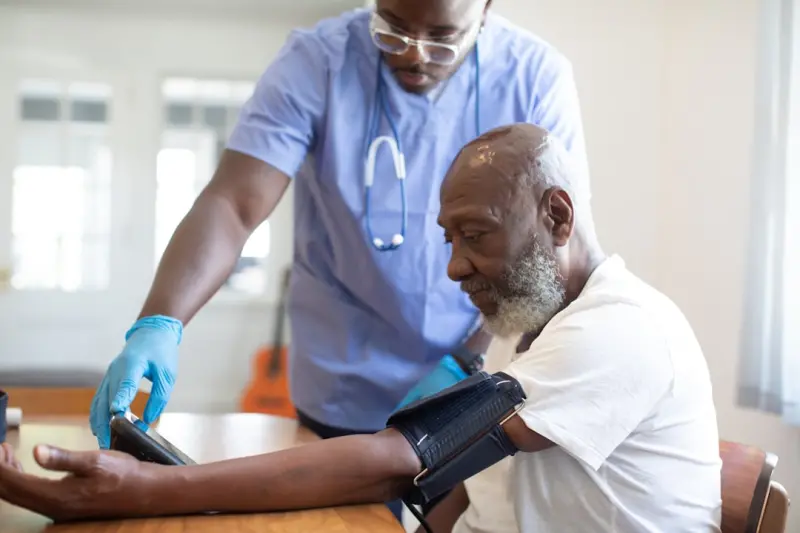
Reimagining Patient Access: The Rise of Community Health Hubs in Canada
When I first stepped onto the bustling floor of a downtown Toronto clinic, I was struck by a paradox: a world‑class health system hampered by the same logistical nightmares that plague any modern metropolis—traffic, fragmented records, and the endless chase for a timely appointment. Over the past few years, I’ve watched a subtle but powerful shift unfold across the country: the emergence of community health hubs that blend physical proximity with digital connectivity, aiming to bring care closer to where Canadians live, work, and play.
Why the Traditional Model Is Straining
Canada’s universal health care promise is undeniable, yet the delivery mechanisms were largely designed for an era when patients traveled to centralized hospitals or large urban clinics. Today, three forces are stretching that model to its limits:
- Geographic disparity: Remote Indigenous communities and northern towns often face weeks‑long waits for specialist visits.
- Demographic pressure: An aging population and rising chronic‑disease prevalence demand more frequent monitoring and coordinated care.
- Technological expectation: Patients now expect the same seamless digital experience from their banks or retailers when they interact with health providers.
The result? Overcrowded emergency rooms, delayed diagnostics, and a growing sense of disengagement among patients who feel the system is “out of sight, out of mind.”
Community Health Hubs: A New Architecture for Care
Imagine a network of midsized facilities—often housed in community centres, libraries, or even repurposed retail spaces—where a family can walk in for a routine check‑up, pop into a tele‑consultation room, pick up a prescription, and leave with a personalized digital care plan. These hubs are not just bricks and mortar; they are the physical manifestation of a digital‑first strategy that leverages interoperable health records, virtual triage, and real‑time data analytics.
Key components include:
- Integrated digital front‑door: A single portal where patients can schedule in‑person or virtual appointments, access lab results, and communicate securely with providers.
- On‑site diagnostics: Point‑of‑care ultrasound, rapid blood tests, and wearable sensor stations that feed data directly into the patient’s electronic health record (EHR).
- Co‑location of services: Primary care physicians, mental health counsellors, pharmacists, and social workers share the same space, enabling “one‑stop‑shop” care coordination.
- Community‑driven health education: Workshops on nutrition, chronic‑disease self‑management, and digital health literacy, often run in partnership with local NGOs.
Digital Identity as the Backbone
One of the biggest hurdles in creating a seamless experience is verifying a patient’s identity across disparate systems without compromising privacy. Canada’s national digital identity framework offers a promising solution. By assigning each citizen a cryptographically secure, reusable identifier, health hubs can instantly pull a patient’s consented health history from provincial repositories, pharmacy databases, and even private wellness apps.
This approach eliminates the tedious “show me your card, then your health card” dance at the front desk, and it paves the way for cross‑province data sharing—a crucial feature for patients who move between provinces for work or family reasons.
Learning from Other Sectors: Algorithmic Assistance
If you’re wondering whether the health sector can truly adopt sophisticated automation, look at how the legal industry has begun to integrate algorithmic assistance in professional services. Law firms are using AI to triage client inquiries, draft standard contracts, and predict case outcomes, freeing attorneys to focus on nuanced, high‑value work. Similarly, health hubs can deploy clinical decision support tools that sift through a patient’s history, flag potential drug interactions, and suggest evidence‑based treatment pathways—all while preserving the clinician’s final authority.
Case Study: The Halifax Wellness Commons
In the Maritime province of Nova Scotia, the Halifax Regional Municipality launched the Wellness Commons in 2022—a 10,000‑square‑foot hub located in a former grocery store. Within its walls, residents can:
- Check in via a QR code that pulls their digital identity, instantly displaying upcoming appointments and recent test results.
- Participate in a 15‑minute virtual triage with a nurse practitioner, who determines whether a walk‑in, tele‑visit, or specialist referral is appropriate.
- Access a “rapid labs” lane where blood draws are analyzed on site, with results uploaded to the EHR within 30 minutes.
- Attend weekly workshops on mental health resilience, led by community partners and funded through a blend of municipal and private grants.
Six months after opening, the hub reported a 27 % reduction in non‑urgent ER visits among its catchment area, and patient satisfaction scores rose above 92 %—a testament to the power of proximity combined with digital efficiency.
Financing the Future: Public‑Private Partnerships
Scaling this model across Canada demands innovative financing. Traditional funding streams—provincial health budgets and federal transfers—are essential, but they must be complemented by private investment in technology platforms, data infrastructure, and facility upgrades. Successful partnerships often feature:
- Outcome‑based contracts: Private vendors receive payment tied to measurable health outcomes, such as reduced hospital readmissions or improved chronic‑disease control.
- Shared‑risk models: Both government and private partners commit capital, with risk‑sharing clauses that protect taxpayers if projected savings fail to materialize.
- Technology escrow agreements: Ensuring that critical software remains accessible and maintainable even if a vendor exits the market.
These arrangements incentivize all stakeholders to focus on long‑term health improvements rather than short‑term cost cuts.
Challenges and Mitigation Strategies
Transitioning to a hub‑centric system is not without obstacles. Below are the most common concerns and practical ways to address them:
- Data interoperability: Legacy EHRs often speak different languages. Establishing a national health‑information exchange (HIE) standard, aligned with the digital identity system, can act as a universal translator.
- Workforce readiness: Clinicians need training to operate new diagnostic equipment and navigate telehealth workflows. Partnerships with academic institutions can create certification programs focused on “digital clinic competency.”
- Equity of access: Rural hubs may lack broadband bandwidth for high‑resolution video consultations. Investing in community‑owned fiber networks or leveraging satellite internet can bridge the gap.
- Privacy concerns: Consolidating data raises legitimate fears about surveillance. Implementing zero‑knowledge proof protocols and robust consent management tools can reassure patients that their information is used only for intended care purposes.
The Role of AI‑Powered Health Guidance
While our focus is on physical hubs, the digital layer cannot ignore the growing demand for personalized health insights. Tools similar to the AI‑powered health guidance platforms can be embedded within hub portals, offering patients evidence‑based recommendations on medication adherence, lifestyle modifications, and early symptom detection. When these algorithms are transparent and continuously validated against clinical outcomes, they become powerful allies—not replacements—for clinicians.
Looking Ahead: A Nationwide Mesh of Care
Envision a future where every Canadian community, from the bustling streets of Vancouver to the remote hamlets of the Yukon, has a health hub that:
- Provides immediate, walk‑in access to primary care and diagnostics.
- Seamlessly connects patients to specialist networks across the country via secure video links.
- Leverages a national digital identity to ensure continuity of care wherever the patient travels.
- Integrates AI‑enhanced decision support while preserving the human touch that defines compassionate medicine.
Realizing this vision will require coordinated policy, sustained investment, and a cultural shift that sees health care delivery as a community‑centered ecosystem rather than a hospital‑centric monolith. As a consultant who has helped both startups and public agencies navigate this transformation, I’m confident that Canada’s commitment to equity and innovation can turn the hub model from an emerging trend into a cornerstone of a truly modern health system.
Practical Steps for Stakeholders
Whether you’re a health authority, a technology vendor, or a community leader, here are three actionable steps to accelerate hub adoption:
- Map local health gaps: Conduct a data‑driven assessment of where patients experience the longest delays—be it mental health, chronic‑disease monitoring, or pediatric care.
- Prototype quickly: Launch a pilot hub in a mid‑size community, leveraging existing public spaces to minimize construction costs. Use the pilot to refine workflows and demonstrate ROI.
- Scale with standards: Adopt interoperable APIs that align with the national digital identity and HIE standards, ensuring that the pilot’s success can be replicated elsewhere without reinventing the wheel.
Conclusion: From Vision to Everyday Reality
The pandemic taught us that distance is no longer a barrier when technology is leveraged wisely. It also reminded us that patients crave human connection, especially during vulnerable moments. Community health hubs sit at the intersection of these lessons—marrying the convenience of digital tools with the reassurance of a local, familiar environment.
If we can align policy, technology, and community spirit, the next decade could see Canada celebrated not just for its universal coverage, but for the way that coverage is delivered—right at the doorstep of every citizen.

Related Posts

Telehealth Triumph: How Canada’s Remote Regions Are Redefining Access to Care
Canada’s remote areas are finally catching up in health care thanks to telehealth, AI diagnostics,... Read More

From Reactive to Proactive: Canada’s New Wave of Predictive Health Networks
Canada’s health system is shifting from reactive care to proactive, data‑driven networks. By com... Read More

Community Telehealth Hubs: A New Lifeline for Rural Canadians
A deep dive into community‑run telehealth hubs that combine reliable broadband, trained facilitato... Read More
Top Posts

Celebrating Prom and Graduation: A Time for Reflection and Growth
Prom and graduation mark significant milestones in a student's life, as they prepare to bid farewell to their high school years and embark on the next chapter o...Read More

Purposeful Journeys: Volunteering While You Travel
Travel can be more than sightseeing; it can be a chance to give back. Explore how volunteering abroad creates lasting change for both visitors and host communit...Read More

The True Cost of Everyday Convenience
Convenience may feel like a luxury, but hidden fees, subscription fatigue, and smart‑tech costs quietly raise your cost of living. Discover practical ways to ...Read More

How AI Decision Dashboards Are Redefining Small Business Growth
AI decision dashboards turn raw data into actionable insights, letting small businesses act faster, cut costs, and grow revenue while staying ethically responsi...Read More
0 Comments
Post Comment
You will need to Login or Register to comment on this post!