
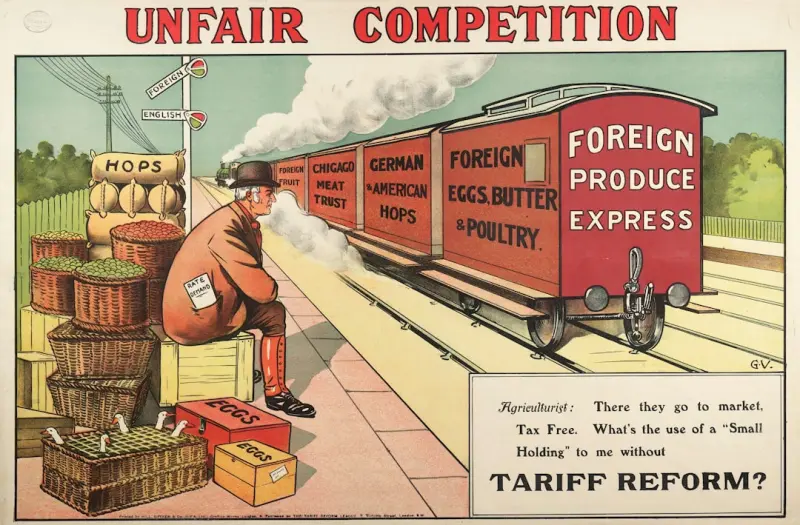
Rethinking Tariffs: From Compliance Burden to Innovation Engine
When I first heard the term “tariff” in a boardroom, my mind instantly pictured customs forms, paperwork piles, and the dreaded “cost‑plus” line item that eats into margins. Over the past few years I’ve watched those same tariffs morph from a defensive shield into an unexpected catalyst for product innovation, market segmentation, and even brand storytelling. In this deep‑dive I’ll walk you through how forward‑thinking SaaS leaders are flipping the script—transforming what used to be a compliance headache into a strategic advantage that fuels growth and customer loyalty.
Why Tariffs Matter More Than Ever for SaaS
Traditionally, tariffs have been the domain of manufacturers, importers, and logistics teams. SaaS, being a “digital‑first” business, seemed immune—until the rise of data‑localization mandates, cross‑border AI services, and the ever‑growing appetite for localized cloud infrastructure. Governments are now imposing duties not just on physical goods, but on the “digital services” that sit on the other side of the border. A tariff on a data‑center in a specific jurisdiction can instantly raise the cost of delivering a subscription in that market by several percentage points.
For SaaS companies that operate on thin margins, that extra cost is non‑trivial. But beyond the raw numbers, tariffs signal something deeper: a shift in how sovereign states view digital ecosystems as strategic assets. Ignoring that shift is no longer an option; embracing it can unlock a competitive moat.
From Reactive Compliance to Proactive Product Design
Instead of treating tariffs as a line‑item to be minimized, the most agile product teams are embedding tariff considerations into the early stages of product design. Imagine a CRM platform that automatically detects when a user’s data residency falls under a high‑tariff zone and then offers a “localized edition” that runs on a nearby edge node, sidestepping the duty altogether. The result? Lower costs for the customer and a differentiated offering that competitors can’t easily replicate.
This approach requires close collaboration between product managers, legal counsel, and engineering—a triad I like to call the “tariff‑innovation squad.” By mapping out tariff hotspots on a world map and overlaying them with your existing infrastructure, you can spot opportunities to launch micro‑services that live in tariff‑friendly zones, effectively turning a cost center into a value‑add feature.
Leveraging Tariffs for Market Segmentation
Tariffs also give you a natural way to segment markets beyond the usual demographic or firmographic lenses. A company selling a data‑intensive analytics suite might price its core product higher in regions with steep tariffs, but then bundle additional consulting services that offset the perceived cost. In low‑tariff regions, the same product can be offered as a lean, self‑serve package, appealing to cost‑sensitive SMBs.
What’s powerful here is the narrative you can craft: “We understand the local economic realities and have built a pricing model that respects them.” That narrative resonates, especially in markets where customers are increasingly savvy about how geopolitics affect their bottom line.
Tariff‑Driven Partnerships: Turning Rivals into Allies
One of the most surprising outcomes of the tariff wave is the rise of strategic partnerships between SaaS firms and local cloud providers. When a tariff makes it pricey to ship data across borders, partnering with a regional data‑center operator can dramatically cut costs. In turn, the local partner gains a premium SaaS product to add to its portfolio, creating a win‑win.
These alliances often extend beyond simple hosting. Joint go‑to‑market campaigns, co‑branded compliance certifications, and shared customer success resources can all be part of the equation. The key is to view the tariff not as a barrier but as a negotiation point that forces both parties to collaborate more closely.
Turning Tariff Transparency into a Trust Builder
Transparency is a rare commodity in the B2B SaaS world, but tariffs force the issue into the open. By publishing a simple “tariff impact dashboard” on your pricing page, you give prospects a clear view of why a subscription might cost $X in Canada versus $Y in Brazil. That clarity can dramatically reduce sales friction, because prospects no longer have to guess whether hidden fees will appear later.
Moreover, this openness positions your brand as a “partner in compliance,” a tone that resonates strongly with finance and procurement teams who are tasked with navigating complex regulatory environments.
Case Study: A Conversational Commerce Platform’s Tariff Pivot
Consider a conversational commerce startup that initially bundled its AI chat engine with a global data‑center network. When the EU introduced a digital services duty, the company faced a sudden 7% increase in operating costs for European clients. Rather than passing the cost onto customers, the team re‑engineered their architecture to run the AI inference layer on a set of European edge nodes.
The move not only eliminated the tariff impact but also slashed latency, improving the user experience. The company highlighted this win in their marketing, using the term “European‑first AI” to differentiate themselves. The result was a 15% boost in conversion rates from EU prospects. You can read more about the power of conversational experiences in our conversational commerce piece.
Legal Nuances: When Tariffs Meet Algorithmic Contracts
Tariffs are no longer just a matter of customs law; they intersect with emerging fields like algorithmic contract generation. In jurisdictions where tariffs apply to “digital services,” a contract drafted by an AI might need to embed specific compliance clauses automatically. This creates a fascinating overlap where the same AI that writes the contract also calculates the tariff impact in real time.
Companies that anticipate this convergence are already building “tariff‑aware” contract templates, ensuring that every clause reflects the latest duty rates. It’s a proactive move that reduces the risk of post‑signing disputes and demonstrates a high level of operational maturity. For a deeper dive into algorithmic law, see our article on algorithmic law.
Data‑Localization, Tariffs, and the Edge Computing Boom
Data‑localization rules often accompany tariff regimes, mandating that certain data stay within national borders. This is where edge computing becomes a strategic ally. By deploying lightweight compute nodes at the edge—think regional micro‑data‑centers—you can keep processing close to the user, stay compliant, and dodge tariffs that target cross‑border data flows.
The economics are compelling: edge nodes are cheaper to run than full‑scale data centers, and they reduce bandwidth costs. When you factor in the tariff savings, the ROI can exceed 200% within the first year, especially for high‑throughput SaaS applications like video analytics or real‑time fraud detection.
Pricing Models That Adapt to Tariff Volatility
Tariffs are not static; they can shift with political changes, trade negotiations, or even sudden sanctions. To protect revenue streams, SaaS leaders are adopting dynamic pricing models that adjust in near‑real time based on tariff updates. These models often leverage APIs from customs authorities, feeding the latest duty rates into the billing engine.
While this sounds complex, modern subscription platforms make it surprisingly doable. The key is to build a pricing layer that separates “core subscription” from “tariff surcharge,” allowing you to present a clean base price to the customer while handling the variable component behind the scenes.
Future Outlook: Tariffs as a Driver of Sustainable SaaS
Beyond the immediate financial implications, tariffs can steer the industry toward greener practices. Some governments are experimenting with “green tariffs” that reward digital services powered by renewable energy. SaaS providers that invest early in sustainable cloud infrastructure can qualify for reduced duties, turning environmental stewardship into a cost advantage.
This emerging trend aligns perfectly with the broader push for carbon‑neutral tech stacks. By aligning your sustainability roadmap with tariff strategy, you not only future‑proof your pricing but also attract eco‑conscious customers who value both compliance and climate responsibility.
Actionable Checklist for SaaS Leaders
- Map Your Tariff Landscape: Use a global tariff database to identify high‑risk jurisdictions.
- Embed Tariff Logic Early: Involve legal and engineering during product roadmap planning.
- Explore Edge Partnerships: Identify regional edge providers to mitigate data‑localization duties.
- Build Transparent Pricing: Publish a tariff impact dashboard to build trust with prospects.
- Adopt Dynamic Billing: Integrate real‑time tariff APIs into your subscription engine.
- Leverage Sustainability: Pursue renewable‑energy certifications to qualify for green tariff reductions.
- Monitor Legal Evolution: Stay ahead of algorithmic contract requirements and related compliance mandates.
Conclusion: Turning the Tariff Tide in Your Favor
The narrative around tariffs is changing fast. What once was a dreaded line item on the balance sheet is now a lever you can pull to differentiate, innovate, and deepen customer relationships. By treating tariffs as a strategic design parameter rather than a compliance afterthought, SaaS companies can unlock new markets, forge powerful partnerships, and even accelerate their sustainability agenda.
It’s a brave new world where every duty, every regulation, and every data‑localization rule is an opportunity waiting to be seized. The question isn’t whether tariffs will affect your business—it’s how you’ll turn them into a catalyst for growth.

Related Posts
When Tariffs Meet the Cloud: Navigating the New Frontier of Global Software Costs
Digital tariffs are reshaping SaaS pricing. This article breaks down the new tax landscape, offers a... Read More

Turning Tariff Pressures Into Community Opportunities
Tariffs are reshaping Canadian markets, but instead of stifling growth, they’re fueling a local re... Read More

The Tariff Tango: A Delicate Balance for Canadian Farmers
The tariff tango is a complex dance of tariffs, quotas, and trade agreements that have left many Can... Read More
Top Posts

Why Marketing Must Evolve in 2024: Insights from Shawn DesRochers
Shawn DesRochers breaks down the must‑know 2024 marketing shifts, from data‑driven personalization to purpose‑centric branding and sustainable storytellin...Read More
Reimagining Canadian Healthcare: From Fragmented Paths to Integrated Care
A fresh look at Canada’s health system, highlighting telehealth, community pharmacies, Indigenous sovereignty, and nutrition integration to build a more conne...Read More

Reclaiming Your Health: The Power of a Digital Detox
Learn why constant screen time harms your health and how simple digital‑detox strategies can restore focus, improve sleep, and boost overall wellbeing....Read More

Victoria Day Deals Kick Off the Summer!
Victoria Day is just around the corner, and before you know it, the pre-summer holiday will be upon us! Whether you're planning a backyard barbecue, a trip to t...Read More
0 Comments
Post Comment
You will need to Login or Register to comment on this post!