
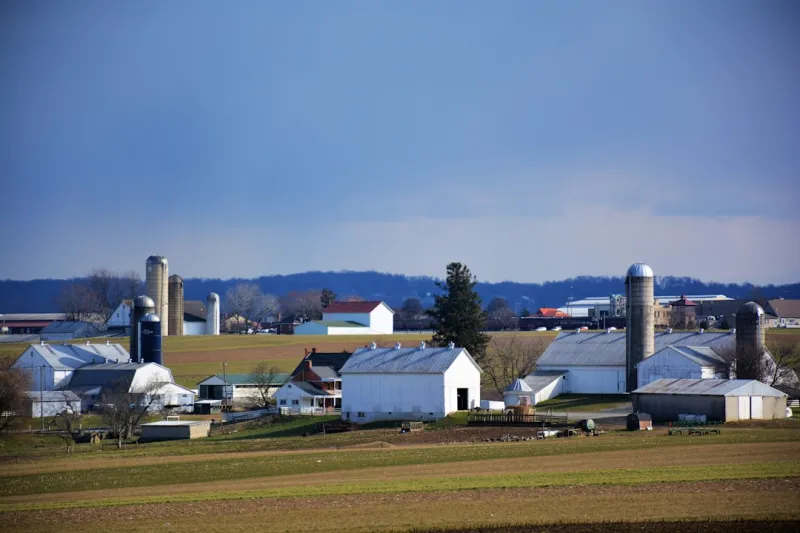
Rural Health in Focus: Breaking Down Barriers to Access
As a rural health advocate, I have always been passionate about addressing the unique challenges faced by rural communities when it comes to accessing quality healthcare. Growing up in a rural town, I witnessed firsthand the difficulties my friends and family members encountered when trying to find reliable medical care. From long wait times to limited specialist options, the rural health landscape is fraught with obstacles that can have serious consequences for individuals and families. In this article, I aim to shed light on some of the critical issues affecting rural health and explore potential solutions to bridge the gap.
The Rural Health Gap: A Persistent Problem
One of the most significant challenges facing rural communities is the shortage of healthcare professionals. According to a recent report, rural areas have a substantially lower ratio of doctors to population compared to urban areas. This shortage can lead to increased burden on existing healthcare workers, longer wait times, and decreased access to specialized care. Furthermore, rural residents often face significant barriers when trying to access healthcare services, including lack of transportation, limited internet connectivity, and socioeconomic disparities. These factors can contribute to poorer health outcomes and decreased quality of life for rural residents.
Mental Health in Rural Areas: A Growing Concern
Mental health is a critical aspect of overall well-being, and rural communities are not immune to the challenges of mental health care. In fact, rural areas often face unique mental health challenges due to isolation, limited social support networks, and increased stress related to economic and environmental factors. A recent study highlighted the unseen struggles of rural mental health in Canada, emphasizing the need for increased support and resources to address this growing concern. As someone who has worked with rural communities, I believe that it is essential to prioritize mental health care and provide accessible, culturally sensitive services to those who need them.
Building Stronger Rural Communities through Local Food Systems
One often-overlooked aspect of rural health is the role of local food systems in promoting well-being. Access to healthy, locally sourced food is essential for maintaining good health, and rural communities are uniquely positioned to benefit from local food initiatives. By supporting local farmers and food producers, rural residents can increase their access to fresh, nutritious food while also promoting economic development and community engagement. As I have written about previously, local food can bring people together and foster a sense of community, which is critical for building resilience and promoting overall well-being.
Addressing the Social Determinants of Health
The social determinants of health – including housing, education, and economic stability – play a significant role in shaping health outcomes in rural communities. For example, limited access to affordable housing can lead to increased stress, poorer health outcomes, and decreased quality of life. Similarly, limited educational opportunities can restrict career choices and economic mobility, further exacerbating health disparities. By addressing these social determinants, we can work towards creating healthier, more equitable rural communities.
The Importance of Community-Driven Solutions
So, what can be done to address the unique challenges facing rural health? One critical aspect is the development of community-driven solutions that prioritize local needs and contexts. This might involve community-driven marketing initiatives that promote local businesses and services, or creative strategies for saving money in rural areas. By empowering local communities to take ownership of their health and well-being, we can foster more resilient, sustainable rural health systems.
Breaking Down Barriers to Access
Ultimately, improving rural health requires a multifaceted approach that addresses the complex interplay of factors influencing health outcomes. This might involve increasing funding for rural health initiatives, expanding access to telehealth services, and promoting workforce development programs that support rural healthcare professionals. By working together to break down barriers to access, we can create more equitable, sustainable rural health systems that prioritize the needs of rural residents.
Conclusion
In conclusion, rural health is a critical issue that requires immediate attention and action. By prioritizing community-driven solutions, addressing the social determinants of health, and promoting local food systems, we can work towards creating healthier, more resilient rural communities. As a rural health advocate, I believe that it is essential to amplify the voices of rural residents and prioritize their needs in healthcare policy and decision-making. Together, we can build a brighter future for rural communities and ensure that everyone has access to quality, affordable healthcare.

Related Posts

Breathwork Hacks for Hyper‑Connected Professionals
A deep dive into how simple breathwork techniques can enhance cognitive performance, reduce stress, ... Read More

Why Your Gut Microbiome Is the Missing Piece in Modern Wellness
A deep dive into how gut microbiome testing, AI-driven insights, and community‑owned data networks... Read More

The Rise of NB.1.8.1: Ontario's Projected Dominant Strain and How to Protect Yourself
As the landscape of the COVID-19 pandemic continues to evolve, a new variant is poised to take cente... Read More
Top Posts

The Unseen Struggles of Rural Law: A Call for Support and Understanding
Rural communities face unique challenges in accessing legal services. Learn about the struggles of rural law and the importance of supporting and understanding ...Read More

Discovering Toronto: Your Ultimate Summer Getaway Guide
With travel plans shifting and a desire for accessible adventures, Ontario residents are rediscovering the charm of their own province. And at the heart of it a...Read More

Inside the Pulse: Canada’s Emerging Live‑Event Tech Hubs
A deep dive into the rise of Canada’s live‑event tech hubs, their impact on the entertainment landscape, and why they matter for creators, fans, and busines...Read More

When Smart Toys Turn Spy: A Parental Warning About Connected Playthings
Smart toys offer fun and learning but often collect audio, location, and personal data. This article uncovers the privacy risks, legal gaps, and practical steps...Read More
0 Comments
Post Comment
You will need to Login or Register to comment on this post!