

Why Blend a Cruise with a Bus Tour?
Imagine waking up to the gentle sway of a ship’s hull one morning, then stepping onto a comfortable coach that winds its way through a historic inland town by afternoon; this juxtaposition creates a narrative rhythm that keeps the traveler engaged from deck to dirt road, offering a dual sensory experience that no single‑mode vacation can match. Hybrid itineraries tap into the psychology of novelty, allowing the mind to reset between sea‑level serenity and the grounded, tactile charm of regional landscapes, which in turn fuels a deeper connection to the places visited and the people encountered along the way. As someone who has spent countless evenings charting routes on a kitchen table, I’ve found that the anticipation of switching vessels becomes a storytelling engine that fuels social media posts, travel journals, and, ultimately, unforgettable memories.
Designing a Seamless Hybrid Itinerary
Crafting a fluid transition from ocean to asphalt begins with aligning departure ports to bus hubs that share logistical partners, ensuring that luggage handling, check‑in times, and onboard amenities are synchronized rather than competing for the traveler’s attention; this often means selecting cruise lines that already operate regional shore excursions with dedicated bus fleets, or partnering with reputable motorcoach companies that understand the cadence of maritime schedules. By mapping out buffer periods—typically two to three hours—travel planners can accommodate unforeseen delays caused by weather or port congestion, while still preserving the excitement of an uninterrupted adventure; these windows also provide a golden opportunity for passengers to sample local cuisine at port‑side eateries before boarding the coach. For a deeper dive into coordinating multiple transport modes, check out the dual‑mode travel guide, which outlines best‑practice frameworks that marry cruise itineraries with overland routes.
Choosing the Right Destinations for Dual‑Mode Exploration
Not every coastal city lends itself to a compelling bus extension, so the selection process hinges on cultural density, scenic variety, and the presence of heritage corridors that can be traversed within a day or two; coastal hubs like Halifax, Victoria, and St. John’s serve as perfect launch pads because they sit at the crossroads of maritime history and vibrant hinterlands peppered with vineyards, artisanal markets, and UNESCO‑listed sites. When the itinerary incorporates regions where rail is limited but road narratives are rich—think the Cabot Trail’s rugged cliffs or the wine routes of the Okanagan—the coach becomes a mobile observation deck, offering panoramic windows that rival any balcony on the ship. Moreover, destinations that champion sustainable tourism often provide incentives for travelers who choose low‑emission buses over private taxis, turning an eco‑friendly choice into a tangible cost‑saving and a badge of conscientious travel.
Leveraging Onboard Experiences to Enhance the Land Journey
The cruise vessel itself can act as an educational prelude to the bus adventure, with themed seminars, culinary tastings, and guest speakers who introduce the folklore, geography, and language nuances of the upcoming overland leg; such programming not only raises anticipation but also equips passengers with the cultural literacy needed to engage authentically with local communities once they disembark. For instance, a nightly lecture on Indigenous art followed by a hands‑on workshop can prime travelers for a bus‑guided tour of nearby First Nations reserves, turning a simple sight‑seeing stop into a respectful cultural exchange. By curating these onboard experiences, cruise operators turn idle evenings into value‑added moments that deepen the overall travel narrative and create a seamless storytelling bridge between sea and street.
Maximizing Value Through Bundled Packages
From a budgeting perspective, bundling cruise fare with a pre‑arranged bus segment often unlocks discounts that would be unattainable when booking each component separately; many operators negotiate bulk rates with motorcoach providers, passing the savings onto guests while also guaranteeing seat availability on high‑demand routes. Additionally, bundled packages can include exclusive perks such as priority boarding on the bus, complimentary refreshments, or a local guide who offers insider tips that standard shore‑excursion brochures overlook, thereby enhancing perceived value without inflating the headline price. Travelers who compare the total cost of a stand‑alone cruise plus independent bus tickets quickly realize that the integrated approach not only streamlines logistics but also yields a more predictable, stress‑free financial picture.
Crafting Personal Moments on the Move
One of the most rewarding aspects of hybrid travel is the freedom to create spontaneous micro‑adventures during the bus leg—whether it’s pulling over at a roadside fruit stand for fresh berries, snapping candid photos of a sunrise over a rolling valley, or striking up conversation with a seasoned local driver who shares stories passed down through generations; these unplanned interludes often become the anecdotes that travelers recount long after the voyage ends. Because the bus travels at a pace that encourages observation rather than rush, passengers have ample opportunity to absorb the nuances of regional dialects, architectural details, and the subtle shifts in landscape that a faster mode of transport would blur. By embracing these moments, travelers transform a simple transit segment into a curated experience that adds depth and texture to the broader travel story.
Integrating Purposeful Travel Elements
For those seeking meaning beyond leisure, the hybrid model lends itself to purposeful travel initiatives such as community service projects, environmental clean‑ups, or educational workshops that can be slotted into the bus itinerary without derailing the overall schedule; partnering with local NGOs or cultural institutions allows travelers to give back while gaining authentic insight into the region’s challenges and triumphs. A recent example involves a coastal cruise that concluded its sea leg with a bus‑driven volunteer day at a marine conservation center, turning a typical shore excursion into a hands‑on stewardship experience that resonated with passengers long after they returned home. Readers interested in learning more about combining service with sightseeing can explore the purposeful journeys guide, which outlines strategies for weaving meaningful activities into any travel itinerary.
Future Trends: Technology, Personalization, and Sustainable Mobility
Looking ahead, the convergence of maritime and overland travel is poised to benefit from emerging technologies such as real‑time itinerary apps, AI‑driven recommendation engines, and eco‑friendly bus fleets powered by electric or hybrid drivetrains; these innovations promise to streamline the handoff between ship and coach, personalize on‑the‑fly adjustments based on weather or passenger preferences, and reduce the carbon footprint of the entire journey. As travelers become more discerning about the environmental impact of their vacations, operators that can demonstrate measurable sustainability metrics—like offsetting emissions for both sea and road segments—will likely capture a larger share of the market, especially among younger demographics who value transparency and responsibility. By staying attuned to these trends, the cruise‑bus hybrid model can evolve from a niche curiosity into a mainstream travel paradigm that satisfies the modern wanderer’s appetite for adventure, authenticity, and accountability.

Related Posts
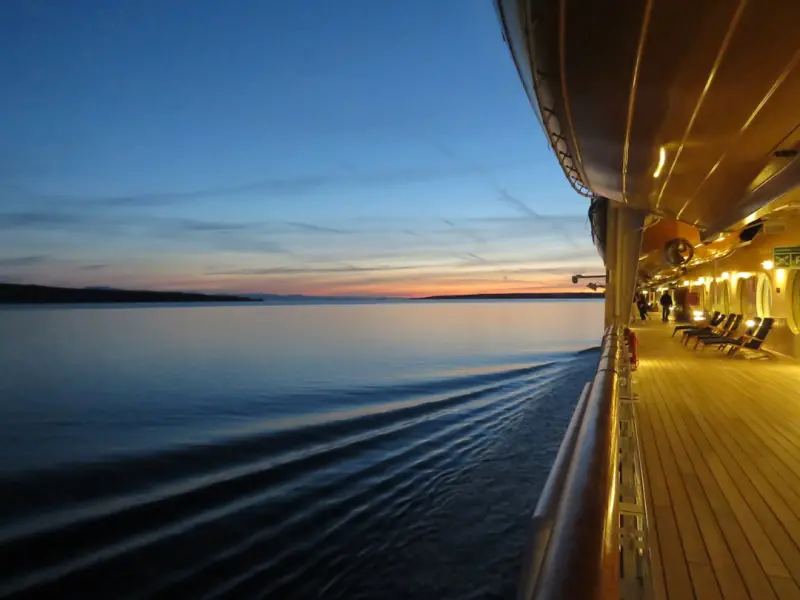
Charting New Waters: How Modern Cruises and Bus Tours Become Living Labs
Today’s travel is shifting from simple transport to immersive experiences. This article reveals ho... Read More
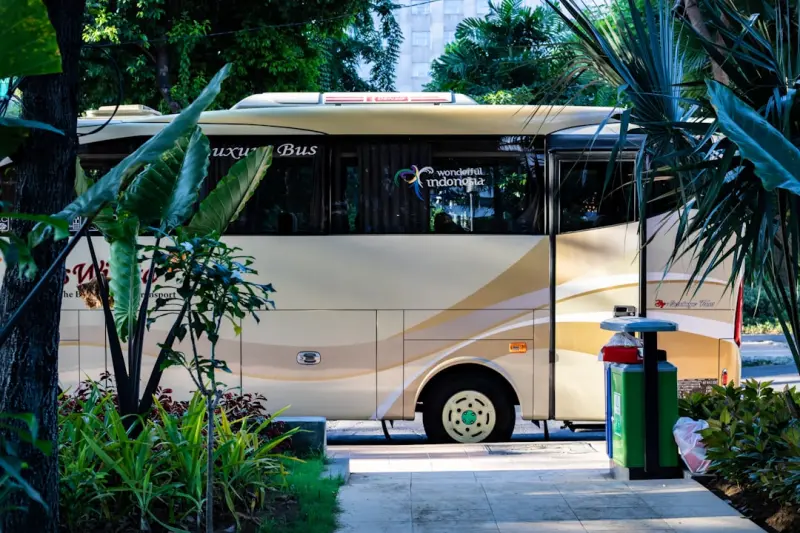
Cruise and Bus Tours: The Tech‑Driven, Sustainable Evolution of Travel
The travel landscape is shifting as cruises and bus tours merge with digital twins, renewable energy... Read More
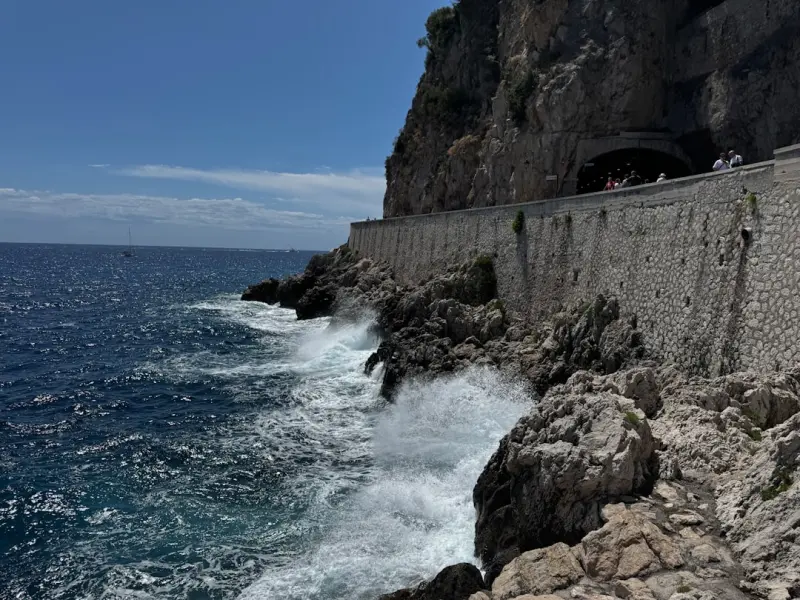
Sailing Roads: Blending Ocean Voyages with Overland Adventures
Explore the emerging travel trend of combining cruises with bus tours, offering a seamless blend of ... Read More
Top Posts

The Quiet Revolution: How Canada’s Diverse Voices Are Redefining Entertainment
Canada’s entertainment scene is undergoing a quiet revolution, driven by local creators, expanding broadband, immersive tech, and community platforms that pri...Read More

Heritage Grains Are Back: Baking a Sustainable Future
Explore the resurgence of heritage grains, their unique flavors, nutritional benefits, and environmental advantages, and learn how both professional bakers and ...Read More

Reimagining Prom and Graduation: Sustainable Style, Tech‑Savvy Planning, and Inclusive Celebration
A fresh take on prom and graduation blends sustainable fashion, inclusive event design, tech‑enhanced planning, and mental‑health support to create unforget...Read More

How AI‑Driven Diagnostics Are Redefining Canadian Healthcare Delivery
Artificial intelligence is rapidly changing how Canada diagnoses disease, cutting wait times, improving accuracy, and helping remote communities receive timely ...Read More
0 Comments
Post Comment
You will need to Login or Register to comment on this post!