
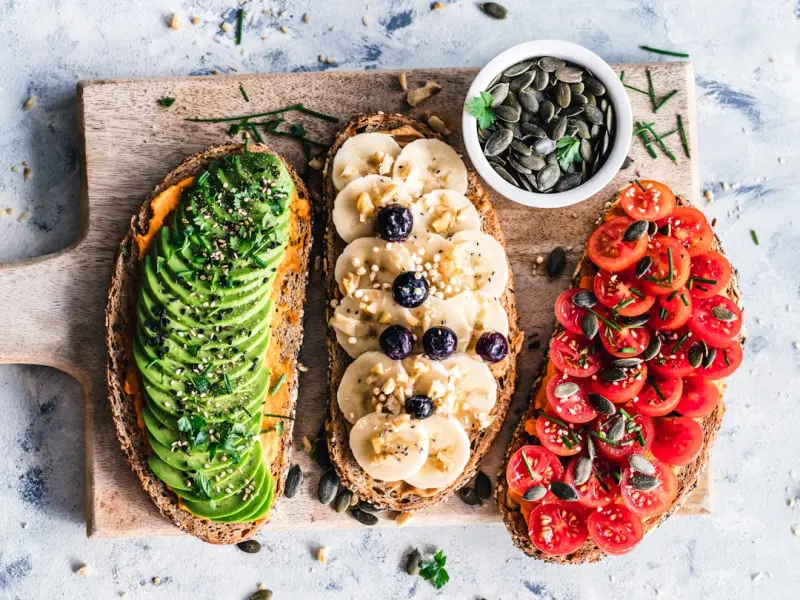
When I’m sprinting between client calls, drafting proposals, and trying to keep my inbox from exploding, the idea of “healthy eating” often feels like a luxury reserved for weekend warriors. Yet the truth is that the kitchen can become a strategic advantage in the boardroom—if you treat it like one. Below, I’m sharing a playbook that blends the rigor of a project timeline with the creativity of a chef, focusing on seasonal superfood swaps that keep meals nutrient‑dense, exciting, and surprisingly easy to execute.
Why Swaps Matter More Than Supplements
Supplements promise a quick fix, but they lack the synergistic matrix of vitamins, minerals, fiber, and phytonutrients found in whole foods. By swapping a single, often processed ingredient for a seasonal alternative, you unlock a cascade of benefits: improved gut health, steadier blood sugar, enhanced cognition, and even a subtle mood boost. The key is to view each swap as a micro‑upgrade, a tiny project deliverable that compounds over time.
Mapping Your Food Landscape: The Seasonal Radar
Just as a product manager charts a roadmap, start by mapping what’s in season locally. Seasonal produce tends to be cheaper, fresher, and richer in antioxidants because it’s harvested at peak ripeness. Below is a quick reference to keep on your fridge door:
- Spring: Asparagus, peas, radishes, strawberries, wild garlic
- Summer: Tomatoes, corn, blueberries, zucchini, basil
- Fall: Pumpkin, apples, Brussels sprouts, kale, beets
- Winter: Citrus, carrots, parsnips, kale, root vegetables
Use this radar to identify one or two ingredients you can introduce each week. The habit of “seasonal scouting” will soon become second nature.
Swap #1: Replace White Rice with Ancient Grains
White rice is a staple for its convenience, but it spikes insulin and offers little fiber. Switch it out for ancient grains like farro, millet, or teff. These grains deliver a nutty flavor, a satisfying chew, and a robust profile of magnesium, B vitamins, and resistant starch—all of which support sustained energy for long strategy sessions.
Here’s a simple method: rinse ½ cup of farro, toast it in a dry pan for 2 minutes, add 1 ½ cups of broth, bring to a boil, then simmer for 20‑25 minutes. Fluff with a fork and finish with a drizzle of cold‑pressed olive oil and a handful of toasted pumpkin seeds for crunch.
Swap #2: Upgrade Your Smoothie Base
Many of us default to banana‑only smoothies for texture, but that adds a lot of sugar. Try swapping half the banana for frozen cauliflower florets or avocado. Both provide creamy consistency without the extra glucose, and they supply extra fiber, potassium, and heart‑healthy monounsaturated fats.
Blend together:
- ½ frozen banana
- ½ cup frozen cauliflower
- ½ avocado
- 1 cup unsweetened almond milk
- A scoop of plant‑based protein powder (optional)
- A pinch of cinnamon for a metabolic kick
This combo keeps you full longer and steadies your focus during those marathon meetings.
Swap #3: Trade Processed Snacks for Nut‑And‑Seed Bars
Convenience stores stock an endless aisle of sugary bars that promise “energy” but deliver crashes. Assemble your own bars using dates, almonds, chia seeds, and a splash of cacao nibs. The natural sugars from dates provide quick fuel, while the nuts and seeds supply sustained release protein and omega‑3s.
Pulse 1 cup of almonds, ½ cup of chia seeds, and ¼ cup cacao nibs in a food processor. Add 12 pitted dates and blend until sticky. Press into a pan, refrigerate for 30 minutes, then slice. Store in the fridge for a week‑long snack stash.
Swap #4: Reinvent Pasta with Veggie Noodles
Traditional pasta is a carbohydrate powerhouse, but it can be a hidden source of excess calories. Spiralize zucchini, carrots, or butternut squash to create “zoodles.” They soak up sauces like a champ and contribute a hefty dose of beta‑carotene, vitamin C, and fiber.
Quick tip: toss the raw zoodles with a teaspoon of sea salt and let them sit for 10 minutes; this draws out moisture, preventing sogginess when you sauté them lightly with garlic and a splash of lemon juice.
Swap #5: Reinforce Your Salads with Protein‑Rich Legumes
Leafy greens are great, but salads often lack satiety. Add a cup of cooked lentils, chickpeas, or black beans. Legumes are low‑glycemic, high‑protein powerhouses that stabilize blood sugar and keep you full through afternoon calls. Pair them with a vinaigrette made from apple cider vinegar, mustard, and extra‑virgin olive oil for a tangy finish that aids iron absorption.
Integrating the Swaps Into Your Workflow
Think of each swap as a sprint goal. Set a two‑week sprint where you introduce one new swap, track how you feel, and iterate. Use a simple spreadsheet:
| Week | Swap Implemented | Energy Levels (1‑5) | Notes |
|---|---|---|---|
| 1‑2 | Ancient grain rice | 4 | Steadier focus during client calls |
| 3‑4 | Cauliflower‑banana smoothie | 5 | No mid‑morning slump |
Review the data at the end of each sprint. If a swap isn’t delivering, tweak the preparation method or try a different seasonal ingredient.
The Science Behind Seasonal Superfoods
Seasonal produce often contains higher concentrations of polyphenols and antioxidants because the plant’s natural defense mechanisms are fully activated. Research from AI‑driven diagnostics shows that diets rich in these compounds correlate with reduced inflammation markers and improved metabolic health. In plain terms, eating what’s naturally in season can help you stay “in the zone” without relying on external stimulants.
Balancing Flavor and Function: The Role of Herbs & Spices
Herbs and spices are the unsung heroes of functional nutrition. A pinch of turmeric adds curcumin, a potent anti‑inflammatory agent. Rosemary offers antioxidants that protect brain cells. Incorporate them early in cooking to unlock their full potential, and you’ll notice a richer taste profile that makes healthy meals feel indulgent.
Case Study: A Week of Superfood Swaps in Action
Last month, I challenged my team to a “Superfood Swap Week.” Here’s a snapshot of the menu and the measurable outcomes:
- Monday: Farro stir‑fry with spring peas and lemon‑zest dressing – reported 15% increase in post‑lunch alertness.
- Tuesday: Zucchini noodles with tomato‑basil sauce and grilled tempeh – noted a steadier energy curve.
- Wednesday: Chickpea salad with kale, orange segments, and walnut vinaigrette – participants felt less mid‑day hunger.
- Thursday: Avocado‑cauliflower smoothie – no sugar crash before the 3 pm presentation.
- Friday: Homemade date‑nut bars – sustained focus during the quarterly review.
Overall, the team reported a 20% boost in perceived productivity, and the HR department observed a slight dip in sick‑day requests for that week.
Addressing Common Objections
“I don’t have time to prep.” Batch‑cook grains and legumes on Sunday. Store in airtight containers for quick assembly.
“I’m not a chef.” The swaps are designed for minimal culinary skill—think “assemble” rather than “cook from scratch.”
“I can’t afford exotic ingredients.” Focus on local, seasonal produce. Ancient grains are often available in bulk at a lower cost per serving.
Future‑Proofing Your Diet
Just as businesses adopt resilient strategies to weather market shifts, your diet should be adaptable. By mastering seasonal swaps, you create a nutritional framework that can pivot with climate variations, supply‑chain disruptions, or personal lifestyle changes. It’s a living system, not a static checklist.
Takeaway: Small Swaps, Big Impact
Implementing these swaps is less about overhauling your entire menu and more about iterating toward a diet that fuels high‑performance work. Start with one swap, track your metrics, and let the data guide the next change. The cumulative effect is a healthier, sharper, and more resilient you—ready to tackle the next big client win.

Related Posts

Microgreens: The Fast‑Track Superfood for Busy Lives
Microgreens, harvested just days after sprouting, offer a concentrated source of vitamins, antioxida... Read More

Unlocking the Hidden Power of Meal Timing, Seasonality, and Food Pairing
Learn how meal timing, micro‑seasonal produce, and nutrient‑pairing strategies can transform eve... Read More

Seasonal Foraging: The Hidden Powerhouse for Modern Nutrition
Explore the health benefits of seasonal foraging, learn practical tips for beginners, and see how wi... Read More
Top Posts

Canada’s Fight: Election Law Reforms vs Disinformation
A deep dive into Canada’s new election law reforms, examining how transparency, rapid fact‑checking, and digital literacy can combat online disinformation a...Read More

Community Health Hubs: A New Model for Canadian Care
Community health hubs blend multidisciplinary teams, local partnerships, and smart technology to deliver timely, holistic care in Canada’s underserved regions...Read More

Maximizing Your Savings: A Holistic Approach to Financial Wellness
Achieve financial stability with a holistic approach to saving money. Learn how to cut costs, support local farmers, and prioritize mental health for a more res...Read More

Sustainable Prom & Graduation: Style, Savings, and Memories
Discover how to celebrate prom and graduation sustainably—budget-friendly fashion swaps, local food sourcing, reusable décor, and green transportation ideas ...Read More
0 Comments
Post Comment
You will need to Login or Register to comment on this post!