
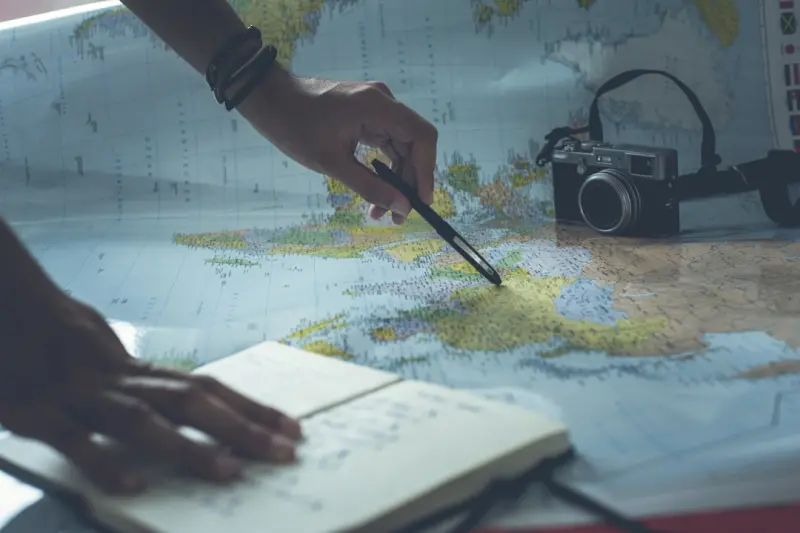
Why the Five‑Senses Approach Is the Next Frontier in Travel
When I first left the corporate grind for a weekend in the Maritimes, I didn’t book a spa or a five‑star restaurant—I booked a soundwalk. I wanted to hear the tide lapping against ancient stone, to feel the cool mist on my skin, to taste the briny air. That experience reshaped how I view every journey now. Travel isn’t just about ticking landmarks off a list; it’s about feeding the body and mind in ways that linger long after the suitcase is unpacked.
The Blind Spot in Conventional Travel Planning
Most itineraries are built around visual landmarks: museums, skyscrapers, panoramas. While sight is undeniably powerful, it often overshadows the other four senses. The result? A trip that feels “seen” but not truly felt. Travelers return home with a flood of photos, yet their memories can feel hollow because the subtle layers— the scent of pine in a forest trail, the rhythm of a local market’s chatter, the texture of a centuries‑old stone wall— were never consciously engaged.
Mapping Out a Sensory‑First Journey
Designing a trip that embraces sight, sound, smell, taste, and touch starts with intentionality. Below is my step‑by‑step framework, honed from countless weekend getaways and long‑haul adventures.
- Step 1: Choose a Sensory Theme – Decide which sense you want to highlight each day. One day could be “the sound of water,” another “the taste of terroir.” This creates a narrative rhythm that feels cohesive yet varied.
- Step 2: Scout Multi‑Sensory Spots – Use local guides, community forums, or even community‑led adventure platforms to discover hidden gems that aren’t in the typical guidebooks.
- Step 3: Build Sensory Buffers – Insert short, unstructured moments between major activities— a quiet bench by a river, a stroll through a herb garden— to let the senses reset and absorb.
- Step 4: Pair Activities With Local Artisans – Engage cooks, musicians, or craftspersons who can provide authentic, hands‑on experiences. Think pottery‑making workshops (touch), street‑food tasting tours (taste), or traditional drum circles (sound).
- Step 5: Document, Don’t Just Photograph – Keep a sensory journal. Jot down aromas, textures, and ambient sounds. This reinforces memory formation and makes the trip feel more immersive.
Sound: The Underrated Travel Companion
Every destination has a soundtrack. In a bustling Tokyo subway, the clatter of trains becomes a pulse; on a remote Icelandic farm, the wind’s howl is a lullaby. To capture these auditory moments, consider:
- Local Music Sessions – Attend a folk jam, a jazz night, or even a spontaneous street performance. The rhythms often reflect the region’s history.
- Nature’s Orchestra – Early‑morning hikes are perfect for listening to bird calls, rustling leaves, and distant water. Bring a lightweight recorder if you want to capture the ambiance for later reflection.
- Soundwalk Apps – Some cities now offer guided soundwalks that overlay stories onto ambient noises, turning a simple stroll into an audio‑rich narrative.
Smell: The Memory‑Triggering Sense
Scientists agree that olfactory cues are the fastest route to vivid recollection. Here’s how to leverage scent on the road:
- Visit Markets Early – The scent of fresh produce, spices, and baked goods is most potent before crowds arrive.
- Seek Out Local Fragrances – In Morocco, the rose‑laden streets of Marrakech; in Canada’s Atlantic provinces, the salty sea breeze mixed with pine. Let these aromas anchor your memory.
- Take a Scented Souvenir – Instead of a typical trinket, bring home a locally sourced essential oil, tea, or even a bundle of dried herbs. The scent will instantly transport you back.
Taste: From Gastronomy to Gastronomy‑Lite
Food is the most obvious sensory entry point, but there’s room to go deeper than the restaurant review.
- Farm‑to‑Table Immersion – Join a harvest, learn how a staple ingredient is cultivated, then cook it with the farmer. This ties taste to touch and sight.
- Street‑Food Exploration – The crackle of a grill, the sizzle of batter hitting hot oil— these sounds amplify flavor perception.
- Flavor Mapping – Create a personal “flavor map” of the trip, noting which dishes reminded you of particular places or moments.
Touch: The Tactile Narrative
Touch is often the most overlooked sense in travel, yet it offers a visceral connection to place.
- Hands‑On Workshops – Pottery, weaving, or woodworking sessions let you feel the material culture of a region.
- Natural Textures – Walk barefoot on a beach, sit on a moss‑covered stone, or glide your hand along ancient tree bark. These tactile moments ground you in the environment.
- Accommodation Choices – Opt for boutique stays that feature natural fabrics, wood interiors, and open‑air terraces rather than sterile hotel rooms.
Sight: Elevating the Visual Experience
While sight remains the dominant sense in travel marketing, a sensory‑first approach reframes visual consumption. Instead of “snap the perfect photo,” ask:
- What story does this view tell when paired with a sound?
- How does the lighting change the colors of a local market’s produce?
- Can I capture the movement of clouds as a visual metaphor for the region’s rhythm?
Case Study: A Sensory Weekend in the Canadian Maritimes
Last autumn, I designed a three‑day itinerary for a small group of creatives seeking inspiration. Here’s how the sensory framework played out:
- Day One – Sound & Sight: Dawn kayak on the Bay of Fundy, listening to the echo of the world’s highest tides. Followed by a sunrise photography session on a cliffside, where the sea’s roar became the backdrop to the golden light.
- Day Two – Smell & Taste: A guided foraging walk in a coastal forest, gathering wild herbs and seaweed. The afternoon was spent in a local kitchen, turning the finds into a broth that smelled of brine, pine, and fresh thyme.
- Day Three – Touch & Reflection: A pottery class with a master ceramist from a nearby town, shaping clay that felt cool and malleable. The day ended with a night‑time walk on a pebble beach, feeling the wet stones underfoot while listening to distant waves.
The group reported a deeper sense of connection, describing the trip as “a full‑body story” rather than just “a photo‑album.”
Technology’s Role—But Not the Lead
While tech can enhance sensory experiences, it should never dominate them. A few tools I find useful:
- AR Soundscapes— Some cities overlay historic audio onto modern streets via augmented reality. This adds a layer of auditory history without breaking immersion.
- Travel Journaling Apps— Digital journals let you tag photos with scent notes, sound clips, and tactile observations, creating a searchable memory bank.
- Community Platforms— Engaging with fellow travelers on community‑led adventure sites can reveal hidden sensory gems that mainstream guides overlook.
Challenges & How to Overcome Them
Implementing a sensory‑first itinerary isn’t without hurdles:
- Language Barriers— Describing scents or sounds can be tricky. Use translation apps for key sensory words or learn a few local terms.
- Time Constraints— Slow, mindful moments require space. Counter this by planning fewer activities per day and prioritizing depth over breadth.
- Commercial Over‑Tourism— Popular spots often feel sanitized. Seek out neighborhoods, markets, or natural sites where locals live and breathe.
Bringing It All Together: The Sensory Itinerary Template
Below is a printable template you can adapt for any destination. Fill in each column with activities, sensory notes, and reflections.
| Day | Sensory Focus | Activity | Key Sensory Details | Reflection Prompt |
|---|---|---|---|---|
| 1 | Sound & Sight | Morning hike to waterfall | Roaring water, mist on skin, emerald gorge | How did the sound shape your visual perception? |
| 2 | Smell & Taste | Local market cooking class | Spice aromas, fresh herbs, sizzling pan | Which scent lingered longest after the meal? |
| 3 | Touch & Reflection | Hand‑crafted pottery workshop | Cool clay, textured glazes, smooth wheel | What emotions arose while shaping the clay? |
Final Thoughts: Travel as a Full‑Body Story
When we design trips that honor all five senses, we move beyond the superficial “check‑off” mindset. We become storytellers of our own bodies, weaving sight, sound, smell, taste, and touch into a tapestry that stays vibrant long after we return home. So the next time you plan a getaway, ask yourself: What will my lungs hear, my skin feel, my nose inhale, my tongue savor, and my eyes behold? The answer will guide you to journeys that are not just seen, but truly lived.

Related Posts
Neighbourhood Explorations: Why Micro‑Tours Are the Next Travel Wave
Micro‑tours focus on deep, short‑duration explorations of specific neighbourhoods, blending auth... Read More

The 10 most beautiful activities to enjoy this summer in Quebec
Discover the 10 most beautiful activities to enjoy this summer in Quebec, from whale watching in Tad... Read More
From Trail to Table: A Journey Through Canada’s Lesser‑Known Culinary Landscapes
Discover the untapped flavors of Canada’s backroads, where local farms, Indigenous kitchens, and h... Read More
Top Posts

A New Wave of Community‑Driven Mental Health Care in Canada
Canada’s mental health system is evolving as local groups, tech innovators, and Indigenous leaders collaborate to create accessible, culturally resonant care,...Read More

Parental Warning: Navigating SaaS, Data Privacy, and Kids in the Digital Age
A deep dive into the hidden data pipelines of kids’ apps, why parental warnings matter more than ever, and actionable tips for safeguarding children’s digit...Read More

Micro‑Mobility Subscriptions: A Game‑Changer for Urban Cost of Living
Micro‑mobility subscription models, powered by dynamic pricing SaaS, are reducing transportation expenses and easing the urban cost‑of‑living burden, offe...Read More
Listening to the Land: How Sound Transforms Travel Experiences
Explore the power of sound in travel—learn to tune into markets, music, and nightscapes, turning every trip into an immersive auditory adventure....Read More
0 Comments
Post Comment
You will need to Login or Register to comment on this post!