
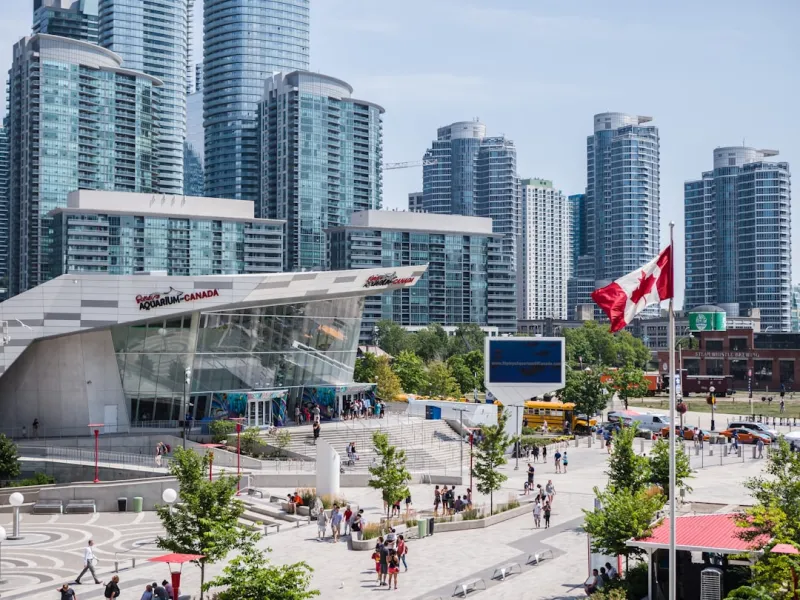
The Intersection of Politics and Tourism: A Canadian Perspective
As a Canadian, I've always been fascinated by the intricate relationship between politics and tourism. Our country's stunning natural beauty, vibrant cities, and warm hospitality make it an attractive destination for visitors from around the world. However, the tourism industry is not immune to the ebbs and flows of politics. In this article, I'll explore the intersection of politics and tourism in Canada, and how it impacts our economy, environment, and communities.
The Economic Impact of Tourism
Tourism is a significant contributor to Canada's economy, generating billions of dollars in revenue each year. According to recent statistics, tourism accounts for approximately 2% of our country's GDP. The industry supports thousands of jobs, from hotel staff to tour guides, and has a ripple effect on local businesses, such as restaurants, shops, and transportation services. For instance, a family-friendly hotel like the Holiday Inn Ottawa Downtown can have a substantial impact on the local economy, supporting local businesses and creating jobs.
Politics and Tourism: A Delicate Balance
However, politics can have a significant impact on the tourism industry. Government policies, such as visa requirements, taxes, and regulations, can either attract or deter tourists. For example, the Canadian government's decision to implement a tick-borne disease surveillance system may seem unrelated to tourism, but it can actually have a positive impact on the industry. By ensuring the health and safety of visitors, the government can promote Canada as a safe and welcoming destination.
Environmental Concerns and Sustainable Tourism
Canada is known for its pristine natural beauty, from the Rocky Mountains to the Niagara Falls. However, the tourism industry can have a negative impact on the environment, particularly if not managed sustainably. The government must balance the economic benefits of tourism with environmental concerns, such as climate change, conservation, and wildlife protection. For instance, Sandbanks Provincial Park in Ontario has faced safety concerns and environmental issues, highlighting the need for sustainable tourism practices.
The Role of Cultural Heritage in Tourism
Canada's rich cultural heritage is another significant draw for tourists. From the historic Old City of Quebec to the vibrant neighborhoods of Toronto, our country's cultural diversity is on display. However, politics can also play a role in preserving and promoting cultural heritage. Government initiatives, such as funding for historic site preservation and cultural events, can help promote tourism and community engagement.
Indigenous Tourism and Reconciliation
In recent years, there has been a growing recognition of the importance of Indigenous tourism in Canada. The government has taken steps to promote Indigenous tourism, including funding for Indigenous-led tourism initiatives. This not only promotes cultural exchange but also supports economic development in Indigenous communities. For example, visiting Toronto's Indigenous cultural attractions can be a valuable learning experience, promoting cross-cultural understanding and reconciliation.
Challenges and Opportunities
Despite the many benefits of tourism, there are also challenges to be addressed. The industry is vulnerable to global events, such as pandemics and economic downturns, which can have a significant impact on tourism. Additionally, there are concerns about overtourism, which can put pressure on local infrastructure and environments. However, these challenges also present opportunities for innovation and sustainability in the tourism industry.
Conclusion
In conclusion, the intersection of politics and tourism in Canada is complex and multifaceted. While there are challenges to be addressed, there are also many opportunities for growth, innovation, and sustainability. By balancing economic, environmental, and cultural concerns, we can promote tourism that benefits both our economy and our communities. As Canadians, we must work together to ensure that our country's natural beauty, cultural heritage, and warm hospitality continue to attract visitors from around the world.
The Future of Tourism in Canada
As we look to the future, it's clear that politics will continue to play a significant role in shaping the tourism industry. By prioritizing sustainability, cultural exchange, and community engagement, we can create a tourism industry that benefits both our economy and our environment. Whether you're a seasoned politician or a concerned citizen, it's essential to recognize the importance of tourism in Canada and work towards creating a more sustainable and equitable industry for all.
Recommendations for Sustainable Tourism
To promote sustainable tourism in Canada, we recommend the following:
- Support local businesses and communities
- Choose eco-friendly accommodations and tour operators
- Respect Indigenous cultures and traditions
- Reduce your carbon footprint
- Promote cultural exchange and understanding
By working together, we can create a tourism industry that benefits both our economy and our environment.

Related Posts

Provincial Power Plays Reshaping Canadian Politics
Provincial leaders are turning their jurisdictions into policy labs, forming strategic alliances, an... Read More

The Unraveling of Rural America's Economic Fabric
The recent tariff tensions have brought to light the intricate web of consequences that rural Americ... Read More

Canadians Divided: Is the U.S. an Ally or an Enemy? A Shifting Perspective Across the Border
For generations, the relationship between Canada and the United States has been characterized by a c... Read More
Top Posts

Building Internal Innovation Labs: A Playbook for Sustainable Business Growth
Internal innovation labs act as startups within larger enterprises, unlocking new revenue streams and operational efficiencies. This guide outlines the why, how...Read More

Why Remote‑First Work Policies Are Reshaping Canadian Employment Law
Remote‑first work is more than a perk; it’s a legal transformation. This article breaks down jurisdictional challenges, health‑and‑safety duties, privac...Read More
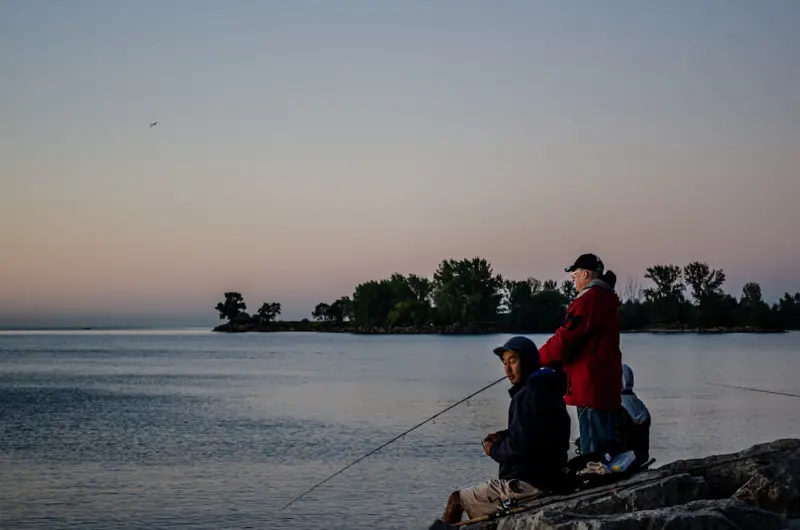
Ontario Night Fishing: Secrets Under the Moonlit Waters
Explore Ontario’s hidden night‑time fishing hotspots, learn how to gear up, choose the right bait, and fish responsibly under the stars for memorable catche...Read More

From Studio to Stage: Why Canada’s Live‑Performance Renaissance Is the Next Big Thing
Canada’s entertainment landscape is shifting from screen‑centric consumption to immersive, community‑driven live experiences, powered by mobile venues, te...Read More
0 Comments
Post Comment
You will need to Login or Register to comment on this post!