
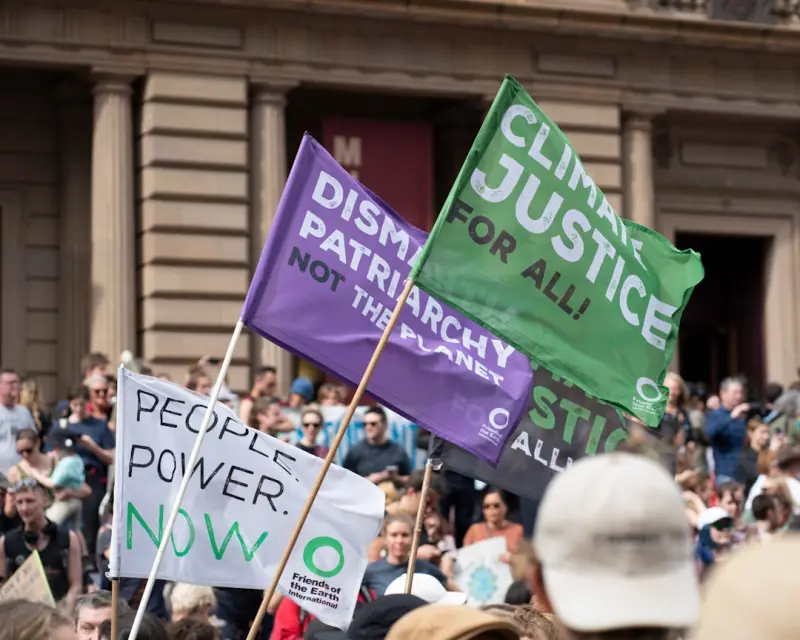
From the Tundra to the Town Hall: A New Political Landscape Emerging
When I grew up in the quiet streets of Québec‑City, the political chatter was dominated by oil pipelines and the occasional scandal in Ottawa. Today, the conversation has shifted. Climate justice is no longer a peripheral concern for the environment‑focused fringe; it’s a central demand echoing from the Inuit communities of Nunavut to the downtown cafés of Vancouver. At the same time, the digital realm—once a mere backdrop to campaign rallies—has become the arena where policy, persuasion, and power intersect. As a political analyst who has spent the last decade watching the ebb and flow of Canadian party dynamics, I can tell you we’re on the cusp of a profound realignment.
The Climate Justice Imperative
Climate change is not a distant, abstract threat for most Canadians; it’s a lived reality. The melt of permafrost in the North threatens traditional ways of life, while extreme weather events in the Prairies are costing farmers millions. These pressures are translating into political capital. Parties that once brushed past Indigenous water rights or dismissed carbon pricing as “unrealistic” are now scrambling to rewrite their platforms.
What’s different this time? The momentum comes from micro‑communities of activists who have leveraged local knowledge and social media to demand tangible action. The rise of grassroots innovation in the business world mirrors the political surge: small, agile groups are proving they can out‑maneuver large, bureaucratic machines. In the Arctic, youth councils are drafting climate‑adaptation strategies that are being cited in federal hearings. In Toronto, tenant associations are linking housing affordability to climate resilience, arguing that retrofitting old buildings reduces emissions while protecting low‑income residents.
Digital Democracy: From E‑Voting to Cyber‑Security
Parallel to the climate push is a quiet revolution in how Canadians engage with their democracy. The pandemic accelerated the adoption of digital tools for town‑hall meetings, policy consultations, and even mock elections in schools. Yet, with great connectivity comes great vulnerability. The same digital platforms that empower citizens also open doors for malicious actors seeking to disrupt the political process.
Canada’s recent national cyber‑resilience strategy was initially framed for the private sector, but its implications for politics are profound. Election‑night servers, party databases, and even the personal devices of candidates now require robust protection. A single breach could erode public trust, skew results, or amplify disinformation.
Beyond technical safeguards, there’s a cultural shift afoot: citizens are demanding transparency about how their data is used in political advertising. The rise of “digital consent” movements reflects a growing awareness that democracy isn’t just about casting a ballot—it’s about safeguarding the information that informs that ballot.
Bridging Two Frontiers: Policy Synergy or Policy Clash?
At first glance, climate justice and digital democracy seem like separate battlegrounds. However, the intersection is where the most exciting policy innovation is happening.
- Data‑Driven Climate Policies: Municipalities are using real‑time environmental sensors to inform zoning decisions. The data, collected from citizen‑owned devices, must be protected under strict privacy standards.
- Participatory Budgeting Platforms: Cities like Calgary are piloting online portals where residents can allocate a portion of the municipal budget toward green projects. These platforms require secure voting mechanisms to prevent fraud.
- Indigenous Digital Sovereignty: Indigenous Nations are building their own data infrastructures to monitor climate impacts on traditional territories, asserting both environmental stewardship and digital autonomy.
The synergy is evident: robust cyber‑security underpins trustworthy digital participation, while inclusive, data‑rich platforms empower communities to demand climate‑responsive policies. When these two strands are woven together, the result is a more resilient, responsive democratic fabric.
The Role of Federal Leadership: Policy or Politics?
Federal leaders have historically been caught between the pressures of party loyalty and the urgency of emerging issues. The current climate is different because the electorate is less forgiving. Polling data shows a clear uptick in voters—especially under‑30s—who prioritize climate action and digital rights over traditional economic indicators.
However, the political calculus remains complex. The Liberal Party’s recent climate‑action bill was lauded by environmental groups but criticized for lacking enforceable targets. The Conservatives have tried to re‑brand themselves as “innovation‑focused,” touting investment in clean tech while downplaying regulatory measures. The NDP continues to push for a just transition, but struggles to translate that into a cohesive national strategy.
What’s missing is a cross‑party consensus on the twin pillars of climate and digital integrity. Without it, policy becomes fragmented, and the public’s trust erodes further. The challenge for federal leadership is to move beyond partisan point‑scoring and craft a shared vision that acknowledges the interdependence of ecological health and digital security.
Provincial Laboratories: Experiments in Governance
Provincial governments have become testing grounds for innovative policies that could later be adopted nationally. British Columbia’s carbon‑tax model, Alberta’s renewable energy incentives, and Québec’s electric‑vehicle rebate program illustrate divergent approaches to the same problem.
On the digital front, Ontario’s “Digital Charter for Ontario” outlines standards for data handling in public services, while Nova Scotia has experimented with blockchain‑based voting for municipal elections. These provincial experiments serve as real‑world laboratories, offering lessons—both successes and failures—that can inform federal policy.
Crucially, provinces are also collaborating with Indigenous governments to co‑design climate adaptation plans that respect traditional knowledge while integrating modern technology. Such partnerships exemplify the kind of inclusive governance needed to address complex, intersecting challenges.
Grassroots Momentum: The Power of the People
One of the most compelling trends is the rise of citizen‑led coalitions that blend climate activism with digital advocacy. Groups like “Climate‑Now Canada” are not only organizing street protests but also running targeted social‑media campaigns that expose policy gaps and mobilize volunteers for data‑collection initiatives.
These movements are harnessing the same tools that parties use—analytics dashboards, micro‑targeted messaging, and live‑streamed town‑halls—to amplify their voices. The result is a democratization of influence: a high‑school student in Halifax can now coordinate a nationwide petition, gather real‑time climate data, and present it directly to a Member of Parliament via a secure digital platform.
The focus on wellbeing that corporations are championing is echoing in the public sector, too. Politicians are being urged to consider not just the fiscal ROI of climate policies but the human ROI: healthier communities, reduced stress, and stronger social cohesion.
Looking Ahead: Scenarios for Canada’s Political Future
To make sense of these converging forces, I like to outline three plausible scenarios:
- Green‑Digital Coalition: A cross‑party alliance forms, prioritizing ambitious carbon‑reduction targets backed by robust cyber‑security measures. This leads to a wave of legislation that integrates climate data into public decision‑making platforms, restoring public trust.
- Fragmented Reform: Provinces continue to act independently, creating a patchwork of policies that exacerbate regional inequalities. Federal inertia results in public disillusionment, fueling populist movements that promise quick fixes but lack depth.
- Tech‑First Turnaround: The focus shifts heavily toward digital modernization, with climate policy taking a backseat. While cyber‑security improves, environmental degradation accelerates, leading to future crises that become politically untenable.
Which path we take depends on the collective will of Canadians—both at the ballot box and in the digital sphere. The stakes are high, but the tools are now in our hands.
Call to Action: What You Can Do Today
Change begins with informed, engaged citizens. Here are concrete steps you can take to shape the emerging political narrative:
- Educate Yourself: Follow reputable sources on climate science and digital policy. Understanding the data helps you cut through misinformation.
- Participate Digitally: Join online forums, attend virtual town‑halls, and use verified platforms to voice your concerns on climate and cyber‑security legislation.
- Support Local Initiatives: Volunteer with community groups that are piloting renewable energy projects or offering digital literacy workshops.
- Demand Transparency: Call on your elected representatives to publish clear, accessible reports on how they protect voter data and how climate policies are funded.
- Vote Thoughtfully: Evaluate candidates not just on economic promises but on their commitments to climate justice and digital democracy.
When we combine the urgency of climate action with the promise of secure, inclusive digital participation, we lay the groundwork for a Canada that is resilient, equitable, and forward‑looking. The next political reckoning isn’t about choosing between the environment or technology; it’s about integrating both into a coherent, people‑first vision.

Related Posts

The Quiet Surge of Independent Candidates Reshaping Canadian Politics
Independent candidates are gaining momentum across Canada, challenging traditional party dominance w... Read More
Regional Populism’s Rise: Redefining Canada’s Federal‑Provincial Balance
A fresh look at Canada’s political shift as regional populist movements push for greater provincia... Read More

Grassroots Power, Indigenous Voices, and Digital Frontiers: Redefining Canadian Politics
A deep dive into the emerging forces—community activism, Indigenous youth leadership, and digital ... Read More
Top Posts

The Quiet Revolution: Municipal Climate Labs Redefining Canada’s Political Landscape
Municipal climate labs across Canada are proving that grassroots innovation can steer national politics, offering data‑driven successes that federal leaders c...Read More

Immersive Pop‑Up Hubs: Redefining Canadian Entertainment on the Fly
From AR‑enhanced alleyways to multi‑sensory sound gardens, Canada’s emerging pop‑up hubs are turning vacant spaces into immersive cultural experiences, ...Read More

AI‑Crafted Itineraries: How Smart Tech Is Redefining Cruises & Bus Tours
Discover the rise of AI‑driven personalization in cruises and bus tours, from health‑focused itineraries to real‑time adjustments, and learn how travelers...Read More

Reimagining Prom & Graduation: A Sustainable, Data‑Smart Celebration Playbook
Discover a modern playbook that blends predictive budgeting, sustainable style, tech‑enhanced experiences, and community impact to create an unforgettable, re...Read More
0 Comments
Post Comment
You will need to Login or Register to comment on this post!