
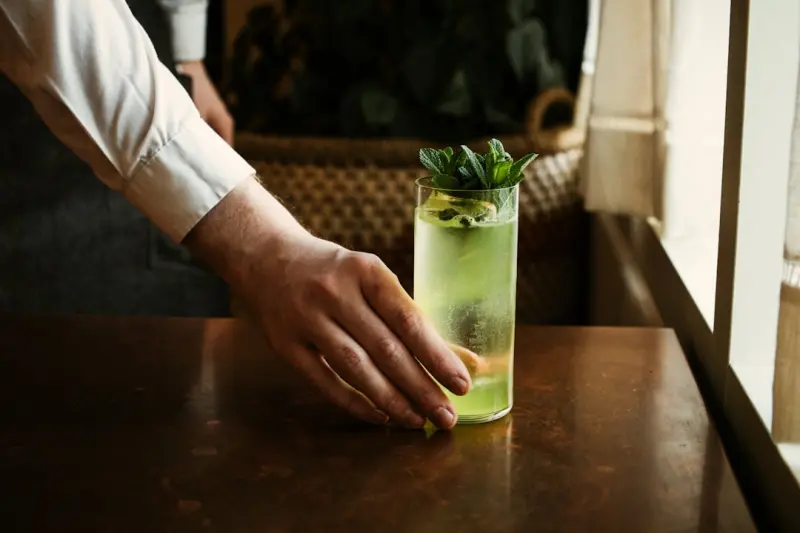
When Algorithms Meet Mixology: How AI Is Shaking Up the Cocktail Scene
Picture this: you stroll into a downtown bar, hand your phone over to a sleek tablet, and within seconds an algorithm whispers the perfect drink for your mood, palate, and the weather outside. No more scrolling endless Instagram cocktail feeds or asking the bartender for a “something different.” The cocktail you receive is the product of millions of data points, flavor‑pairing science, and a dash of digital bravado. Welcome to the age where artificial intelligence isn’t just recommending movies or playlists—it’s curating the next sip you’ll take.
The Science Behind the Sip
At the heart of AI‑driven mixology is machine learning—specifically, models trained on massive databases of recipes, tasting notes, and even chemical analyses of spirits, bitters, and mixers. Researchers feed the algorithms three core inputs:
- Flavor compounds: The volatile molecules that give a gin its juniper punch or a rum its caramel depth.
- Human feedback: Ratings from seasoned bartenders, home enthusiasts, and blind taste‑test panels.
- Contextual variables: Time of day, temperature, regional ingredient availability, and even the guest’s emotional state (derived from facial recognition or self‑reported mood).
As the model iterates, it begins to spot patterns that even the most seasoned mixologist might miss. For example, it may discover that a hint of smoked paprika pairs surprisingly well with a citrus‑forward gin when served on a rainy Thursday. These “hidden harmonies” become the building blocks of new cocktail concepts.
From Lab to Bar: Real‑World Deployments
Several forward‑thinking establishments have already turned AI from a novelty into a revenue driver.
- Smart‑Bar kiosks: In cities like Toronto and Vancouver, self‑serve stations let patrons input preferences (sweet, bitter, smoky, light, heavy). The AI then prints a custom recipe that a robotic arm assembles in real time.
- AI‑curated menus: Some upscale lounges rotate a “digital seasonal menu” that updates weekly based on supply chain fluctuations. The result? A cocktail list that feels fresh, sustainable, and perfectly attuned to local produce.
- Personalized cocktail kits: Subscription services now use AI to design monthly boxes that match each subscriber’s evolving taste profile. Think of it as a “Netflix for drinks,” but with bottles you can actually open.
These deployments echo the subscription‑based model that’s been reshaping other consumer categories, yet they bring a tactile, sensory element that digital services often lack.
Why the menu storytelling Paradigm Still Matters
Even with algorithms crafting the drinks, the narrative remains king. Patrons don’t just want a beverage; they want a story they can share on social media. AI can generate compelling backstories—linking a cocktail’s flavor profile to a local orchard’s harvest, or a historic prohibition‑era recipe rediscovered through data mining. When the algorithm explains that “the rosemary‑infused gin pays homage to the 1920s speakeasy on Main Street,” guests feel a deeper connection. It’s a seamless blend of data‑driven creativity and human‑centric storytelling.
Economic Implications: Savings, Upsell, and the SaaS Angle
From a business perspective, AI offers three tangible benefits:
- Inventory optimization: By predicting which flavor profiles will trend, bars can order spirits and mixers more precisely, reducing waste and storage costs.
- Dynamic pricing: Algorithms can suggest price adjustments in real time based on demand elasticity—think higher prices for a rare, AI‑generated concoction on a hot summer night.
- Upsell opportunities: The same engine that recommends a drink can also suggest a complementary nibble, driving higher per‑guest spend.
These efficiencies dovetail nicely with the SaaS bundle discount mindset. Many AI mixology platforms operate on a subscription basis, offering tiered access to basic recipe generation, premium data analytics, and even white‑label solutions for chains. The bundled approach reduces upfront tech costs for independent bars while still delivering enterprise‑grade insights.
Potential Pitfalls: Data Privacy, Authenticity, and the Human Touch
As with any AI‑infused service, there are concerns to navigate:
- Privacy: Collecting mood data or facial expressions raises ethical questions. Transparent opt‑in mechanisms and clear data‑use policies are essential.
- Authenticity: Purists argue that AI‑generated drinks lack the soul of a bartender’s intuition. The key is positioning AI as a collaborator, not a replacement.
- Over‑standardization: If every bar adopts the same algorithm, the market could converge on a narrow set of flavors, stifling regional diversity.
Smart establishments are already addressing these concerns by keeping the human bartender in the loop—allowing them to tweak AI suggestions, add personal flair, or outright reject a formula that feels “off.” This hybrid approach preserves the craft while leveraging data‑driven insights.
Case Study: The “Neon Botanist” Bar in Downtown Montreal
One of the most talked‑about experiments is the Neon Botanist, a bar that launched an AI‑powered “Flavor Lab” last winter. Here’s a snapshot of how they integrated the technology:
- Data collection: Over six months, they logged every order, rating, and ingredient batch, creating a proprietary dataset of 30,000+ cocktail interactions.
- Model training: Partnering with a local university, they built a neural network that could predict a drink’s “excitement score” based on ingredient ratios.
- Live testing: Patrons used tablets to input preferences; the AI generated a recipe, which the head bartender then prepared and served.
- Iteration: Customer feedback was fed back into the model, refining predictions every week.
The results were striking: a 15% increase in average ticket size, a 20% reduction in ingredient waste, and a social media buzz that propelled the bar into the top‑10 list of “most innovative nightlife spots.”
Looking Ahead: What’s Next for AI in the Drink World?
While we’re only scratching the surface, several emerging trends promise to deepen the AI‑drink relationship:
- Multisensory pairing: Future models may incorporate soundscapes and lighting data to recommend cocktails that complement a venue’s ambient music or visual mood.
- Blockchain provenance: Pairing AI recommendations with immutable records of ingredient origin could give guests confidence in sustainability claims.
- Voice‑first interfaces: Imagine telling your smart speaker, “I’m feeling adventurous,” and having it place an order for a bespoke cocktail at your favorite bar.
In the end, the most exciting part isn’t the algorithm itself—it’s how it amplifies human creativity. The bartender still decides the final garnish, the glassware, the story told to the guest. AI simply hands them a richer palette of possibilities, ensuring that each sip can be both a data‑driven marvel and a moment of pure, tactile pleasure.
So the next time you raise a glass, consider the invisible line of code that may have helped shape its flavor. It’s a reminder that the future of food and drink isn’t about replacing tradition; it’s about augmenting it with the smartest tools we have—turning every cocktail into a conversation between humanity and machine.

Related Posts

When Menus Whisper: Crafting Stories Behind Every Bite
A deep dive into how narrative-driven menus turn ordinary meals into immersive experiences, boosting... Read More
Why Street‑Food Snacks Are Becoming the New Home‑Cooking Frontier
Rose DesRochers uncovers the surge of street‑food inspired snacks at home, blending tech, sustaina... Read More
Heritage Grains Are Back: Baking a Sustainable Future
Explore the resurgence of heritage grains, their unique flavors, nutritional benefits, and environme... Read More
Top Posts
Canada’s Comedy Renaissance: From Local Clubs to Global Spotlights
A deep dive into Canada’s thriving comedy scene, revealing how regional hubs, digital tools, and cultural storytelling are reshaping live humor into a global ...Read More
Discovering the Hidden Gems of Rural Canada: A Journey Through Bus Tours and Cruises
Join me on a journey through rural Canada's stunning landscapes and vibrant communities on a bus tour or cruise. Experience the authentic culture and natural be...Read More

Beyond the Gown: Crafting Lasting Digital Memories for Prom and Graduation
A fresh look at how technology can turn prom and graduation nights into timeless digital experiences, from personalized playlists to collaborative memory books....Read More
The Climate Pivot: Redrawing the Federal‑Provincial Map in Canada
Climate policy is no longer a side issue in Canada; it’s reshaping federal‑provincial relations, forging Indigenous partnerships, and prompting fresh politi...Read More
0 Comments
Post Comment
You will need to Login or Register to comment on this post!