

From Campus Rallies to Committee Rooms: The Surge of Youth Climate Voices in Ottawa
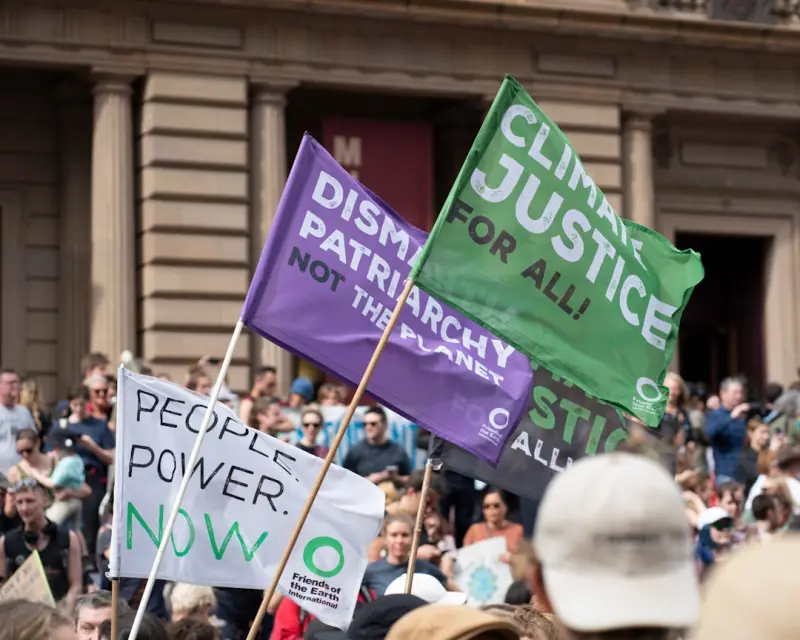
In the last decade, a new generation of Canadians has taken the streets, the universities, and the social‑media feeds with a singular, urgent message: the climate crisis cannot wait. What started as isolated campus protests has morphed into a coordinated political force that is reshaping the legislative agenda at the federal level. This transformation is not merely symbolic; it reflects a strategic shift where young activists are leveraging data, digital platforms, and savvy lobbying to embed climate considerations into every major policy debate. Their influence is palpable in the way ministries draft bills, how parties position themselves during election cycles, and even in the language used by senior politicians during Question Period.
The Digital Playbook: How Young Activists Harness Technology
Unlike previous protest movements that relied heavily on physical presence, today’s climate crusaders are digital natives who exploit the same tools that once seemed the exclusive domain of tech companies. By mastering algorithms, they amplify their messages across Twitter threads, TikTok clips, and Instagram reels, turning a single protest sign into a viral hashtag within minutes. This digital fluency also feeds into the broader conversation about digital resilience in Canada, as lawmakers begin to recognize the need for robust cyber‑infrastructure to protect climate‑related data streams. In practice, activists crowd‑source climate data, upload real‑time emissions figures, and even develop open‑source mapping tools that visualize the impact of proposed infrastructure projects. The result is a feedback loop where data informs activism, and activism fuels policy proposals.
Data as a Weapon: The Push for Transparency and Accountability
One of the most powerful levers in the youth climate arsenal is the demand for transparent, publicly accessible environmental data. By calling for a national data trust, young advocates argue that a centralized repository of climate metrics would eliminate the “information asymmetry” that traditionally favored industry lobbyists. This demand is not abstract; it translates into concrete parliamentary questions, petitions, and even private meetings with senior civil servants. When ministers are forced to cite verifiable statistics—such as carbon intensity by province or the projected cost of carbon pricing—policy discussions become more grounded in empirical reality rather than partisan rhetoric.
From Protest to Policy: The Pathway Through Parliamentary Committees
Canada’s parliamentary committee system, often dismissed as bureaucratic, has become a fertile battleground for youth climate advocates. By securing seats at committee hearings—either as expert witnesses or as representatives of youth coalitions—activists inject fresh perspectives directly into the legislative drafting process. Recent hearings on the Greenhouse Gas Pollution Pricing Act, for instance, featured testimonies from high school climate clubs, who presented case studies on the socioeconomic impacts of delayed decarbonization. Their contributions have prompted amendments that tighten emission targets and allocate additional funding for renewable energy projects in Indigenous territories, highlighting how grassroots voices can shape the fine print of national law.
The Electoral Ripple Effect: Youth Climate Platforms Reshaping Party Strategies
Political parties are taking notice. In the lead‑up to the last federal election, every major party unveiled climate platforms that directly addressed the concerns raised by youth movements—ranging from a just transition for fossil‑fuel workers to the expansion of green public transit. The Liberal Party, traditionally positioned as centrist, adopted a more aggressive net‑zero timeline, while the New Democratic Party doubled down on public ownership of renewable assets. Even the Conservative Party, historically skeptical of aggressive climate policies, introduced a “green innovation” wing aimed at courting environmentally conscious young voters. This strategic pivot underscores a broader realization: ignoring the climate agenda is no longer politically viable, especially when the electorate’s youngest cohort shows higher voter turnout rates than any other demographic.
Beyond the Federal Level: Provincial Partnerships and Cross‑Border Alliances
The influence of youth climate activism is not confined to Ottawa. Provincial legislatures in British Columbia, Alberta, and Quebec have each witnessed a surge of student‑led climate bills, many of which mirror the demands voiced at the federal level. Moreover, Canadian youth activists have forged alliances with their American, European, and Pacific counterparts, creating transnational coalitions that lobby for coordinated climate action. These partnerships amplify pressure on the federal government to adopt policies that align with international commitments such as the Paris Agreement, while also fostering a shared knowledge base on effective advocacy tactics.
Challenges on the Horizon: Navigating Political Fatigue and Co‑optation
Despite their growing clout, youth climate advocates face formidable obstacles. Political fatigue among lawmakers can lead to “policy paralysis,” where endless consultations stall decisive action. Additionally, there is a risk of co‑optation: parties may adopt superficial climate rhetoric to capture the youth vote without committing to substantive change. To counteract this, activists are increasingly emphasizing accountability mechanisms—like citizen‑oversight panels and independent audits—to ensure that climate promises translate into measurable outcomes. They also employ a “stay‑in‑the‑room” strategy, maintaining a persistent presence in legislative processes rather than relying solely on episodic protests.
Looking Forward: A Blueprint for Sustained Influence
The trajectory of youth climate activism in Canada suggests a durable shift from outsider protest to insider policymaking. By mastering digital tools, demanding data transparency, and embedding themselves within parliamentary structures, young Canadians are redefining what civic engagement looks like in the 21st century. The next phase will likely involve deeper collaboration with Indigenous leaders, expanded use of climate‑focused litigation, and the continued push for a national data trust that safeguards environmental information for future generations. As these young voices continue to mature into seasoned policymakers, the very fabric of Canadian politics may be reshaped—making climate resilience an integral part of the nation’s identity.

Related Posts

Canada’s Political Pivot: Data, Decentralization, and Climate in the Digital Age
Canada’s political landscape is rapidly evolving as data, remote work, climate policy, and Indigen... Read More

Inside the Senate Shake‑Up: Why Canada’s Upper Chamber Is on the Brink
The Senate, once a quiet “sober second thought,” faces unprecedented scrutiny. This article exam... Read More

Canada’s Political Crossroads: Why Independent Voices Matter More Than Ever
A deep dive into the shifting Canadian political landscape, highlighting the surge of independent vo... Read More
Top Posts
The Unseen Battle: Climate Justice Meets Digital Democracy in Canada’s Political Future
A deep dive into the intertwining forces of climate justice and digital democracy, highlighting grassroots activism, cyber‑security, and the policy crossroads...Read More

Municipal Climate Mandates: How City Halls Are Steering Canada’s Future
A deep dive into the growing power of municipal climate mandates, highlighting successful city initiatives, the challenges they face, and how they influence fed...Read More

Micro‑Adventure Tourism: Small Trips, Big Impact
Micro‑adventures are reshaping tourism by offering low‑cost, high‑impact experiences that support local economies, reduce carbon footprints, and foster co...Read More

The Rise of Canada’s Homegrown Entertainment Revolution
Canada’s entertainment scene is exploding, blending grassroots hubs, streaming breakthroughs, and immersive tech to put local talent on the world stage and bo...Read More
0 Comments
Post Comment
You will need to Login or Register to comment on this post!