

From Coast to Prairie: The Quiet Revolution of Regional Power in Ottawa
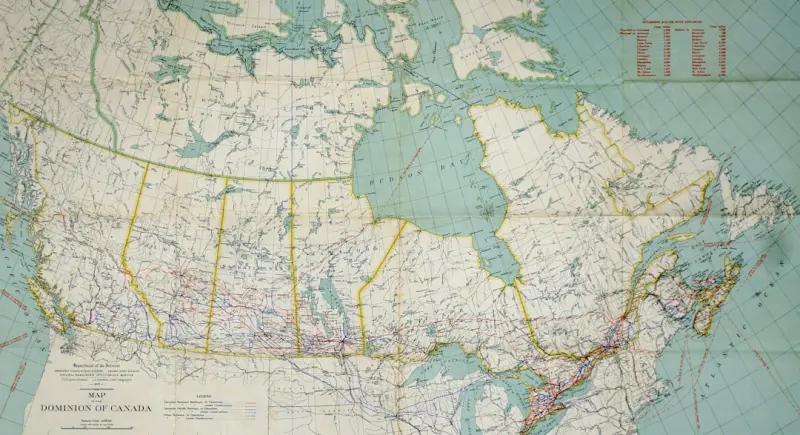
Canada’s political map has always been a patchwork of distinct cultures, economies, and priorities. Yet in the last few election cycles, the traditional dominance of the central parties—Liberals, Conservatives, and NDP—has begun to wobble under the weight of emerging regional coalitions and issue‑specific alliances. This shift isn’t a flash‑in‑the‑pan protest; it’s a structural re‑balancing that reflects demographic trends, economic diversification, and a growing appetite for localized representation. As a political observer who grew up watching town halls in the Maritimes and debating policy in downtown Vancouver cafés, I’ve noticed that the conversation now centers on how these new players are influencing national agendas, reshaping budget priorities, and even redefining the very language of federalism.
Why Regional Parties Matter More Than Ever
The rise of regional parties is not a brand‑new phenomenon—think of the Bloc Québécois in the 1990s or the Reform Party in the West during the 1990s. What’s different today is the speed at which they have mobilized digital tools, grassroots fundraising, and data‑driven outreach to carve out credible seats in the House of Commons. In provinces like Alberta and Saskatchewan, fiscal conservatism meets a renewed focus on energy transition, prompting the formation of “energy‑forward” caucuses that push for a distinct policy platform separate from the mainstream Conservatives. Meanwhile, in the Atlantic provinces, a coalition of small‑business owners and coastal communities is rallying around fisheries sustainability and broadband expansion, creating a de‑facto “Maritime Alliance” that demands a seat at the table when national infrastructure bills are drafted.
The Demographic Engine Behind the Shift
Canada’s population is aging, but its youngest voters—those under 30—are now the largest cohort in several provinces. These millennials and Gen Zers are less attached to traditional party loyalties and more concerned with climate action, affordable housing, and digital rights. Their voting patterns show a propensity to back candidates who champion concrete, locality‑specific solutions rather than broad national slogans. For instance, in Ontario’s “Tech Triangle,” young professionals are championing policies that marry high‑tech job creation with responsible AI governance, a stance that diverges sharply from the federal parties’ often vague tech strategies.
Policy Innovation at the Provincial Level
Provincial governments have become incubators for policies that later migrate to the federal arena. British Columbia’s carbon‑pricing model, Quebec’s universal childcare framework, and Manitoba’s farm‑to‑table procurement program illustrate how sub‑national experiments can pressure Ottawa to adopt or adapt similar measures. The interplay is no longer a one‑way street; rather, federal policymakers must now negotiate with provincial premiers and regional party leaders who wield credible legislative clout. This dynamic creates a feedback loop where regional successes become national expectations, accelerating policy diffusion across the country.
Technology as the New Campaign Playground
Digital platforms have democratized campaign finance and voter outreach, allowing regional parties to punch well above their weight. Sophisticated micro‑targeting, AI‑driven sentiment analysis, and community‑focused livestream town halls have replaced the old door‑to‑door canvassing model. A noteworthy example is the way a coalition of northern Ontario municipalities leveraged a AI‑powered legal analytics tool to predict the impact of proposed resource‑extraction legislation on local economies, then used those insights in a series of viral videos that sparked a national conversation on Indigenous consultation processes.
The Economic Lens: Skills, Jobs, and Federal Funding
Economic policy is the lingua franca of regional politics. The promise of a skilled workforce and the lure of federal infrastructure dollars drive many of today’s regional platforms. Take the example of the “Digital Skills Pipeline” that has become a rallying cry for western provinces seeking to retain tech talent. By championing a coordinated national strategy—one that aligns post‑secondary curricula with emerging industry needs—regional leaders are not only safeguarding local economies but also nudging the federal government toward a more cohesive, cross‑province investment plan. Explore the broader implications in the Canada’s Digital Skills Pipeline discussion.
Strategic Alliances: From Issue‑Based Coalitions to Formal Parties
What started as ad‑hoc issue‑based coalitions—environmentalists joining forces with Indigenous rights groups, for example—are morphing into formal party structures with registered symbols, leadership conventions, and policy platforms. This evolution is evident in the “Northern Alliance,” a group that began as a loose network of northern community leaders advocating for better broadband access. Within two election cycles, they secured three seats in the House, giving them leverage to negotiate committee assignments and budget allocations. Their success signals that focused, constituency‑driven politics can translate into tangible legislative power.
Implications for Federal Governance
The fragmentation of the vote across regional parties forces the federal government to adopt a more collaborative approach to lawmaking. Minority governments, which have become increasingly common, now rely on confidence‑and‑supply agreements with regional actors to pass key legislation. This reality has ushered in a “negotiated federalism” where policy is crafted through a series of compromises rather than unilateral party agendas. While critics argue that this leads to legislative gridlock, proponents contend that it yields more nuanced, locally attuned outcomes—a trade‑off that may ultimately strengthen Canada’s democratic fabric.
Case Study: The Renewable Energy Accord
In 2023, a coalition of prairie provinces and Atlantic fisheries communities brokered a cross‑regional Renewable Energy Accord that pledged $15 billion in joint investments for wind, solar, and tidal projects. The agreement was notable not just for its financial heft but for the political maneuvering behind it: regional parties leveraged their swing votes to extract commitments for job training programs, local ownership stakes, and Indigenous co‑governance structures. The Accord’s passage forced the federal Liberal government to adopt a more aggressive clean‑energy target, illustrating how regional leverage can reshape national policy trajectories.
Challenges Facing the New Regional Landscape
Despite their growing influence, regional parties face structural hurdles. Federal election financing rules, which favor parties that achieve a certain national vote threshold, can limit the fundraising capacity of smaller, regionally concentrated groups. Moreover, the media’s national focus often sidelines regional narratives, making it harder for these parties to amplify their messages beyond local constituencies. There is also the risk of policy fragmentation—if every region pushes divergent priorities, achieving coherent national strategies on issues like health care or immigration becomes a complex juggling act.
What This Means for Voters
For the everyday Canadian, the rise of regional parties translates into more tailored representation. Voters can now align with candidates who speak directly to the concerns of their community—be it the need for reliable high‑speed internet in rural Nova Scotia or the demand for responsible mineral development in the Yukon. This hyper‑local focus can increase voter engagement, reduce apathy, and ultimately lead to higher turnout. However, it also requires citizens to stay informed about a broader spectrum of parties and platforms, a shift that demands greater media literacy and civic participation.
Looking Ahead: The Future of Federal‑Regional Dynamics
As Canada’s demographic and economic landscape continues to evolve, the balance of power between Ottawa and the provinces will likely become even more fluid. Climate imperatives, technological disruption, and shifting trade relationships will all demand region‑specific solutions that the traditional party system may struggle to deliver. In response, we can expect to see more hybrid models—regional parties that operate within the federal framework, strategic coalitions that span provinces, and perhaps even a reimagining of the parliamentary caucus system itself. The political map of Canada is being redrawn, not by the strokes of a single brush, but by a chorus of localized voices demanding to be heard.
Conclusion: Embracing a More Pluralistic Federalism
The emergence of robust regional parties signals a maturing democracy that respects the country’s vast geographic and cultural diversity. While the transition poses challenges—funding constraints, media attention, and policy coherence—it also offers a richer, more responsive governance model. Canadians stand at a crossroads: they can either cling to the comfort of traditional party dominance or embrace a future where regional voices shape the national narrative. The latter promises a Canada that is not just united by a shared flag, but also by a tapestry of localized aspirations, each contributing to a stronger, more resilient federation.

Related Posts
The Climate Pivot: Redrawing the Federal‑Provincial Map in Canada
Climate policy is no longer a side issue in Canada; it’s reshaping federal‑provincial relations,... Read More

Indigenous Governance Models Reshaping Federal Policy in Canada
Indigenous governance frameworks are increasingly integrated into Canada’s federal policy, from re... Read More

Canada’s Emerging Political Realignments
A deep dive into the subtle forces—young voters, Indigenous self‑governance, housing pressures, ... Read More
Top Posts

How to Outsmart Tariffs and Keep Your Wallet Happy
Learn how to turn hidden tariff costs into budgeting wins, use tech to stay ahead, and advocate for smarter trade policies—all while protecting your wallet....Read More

Urban Foraging: Harvesting Health from City Streets
Urban foraging transforms city sidewalks into nutrient‑dense food sources, offering a low‑cost, sustainable way to boost health, connect with community, and...Read More

Subscription Overload: How the SaaS Boom Is Quietly Inflating Your Monthly Budget
A deep dive into how the explosion of personal SaaS subscriptions is quietly inflating household expenses, with actionable tips to audit, consolidate, and optim...Read More

Canada’s Comedy Podcast Boom: From Regional Jokes to National Laughter
Discover the rise of Canadian comedy podcasts, where local humor meets national reach, creating a fresh cultural tapestry that celebrates regional voices and in...Read More
0 Comments
Post Comment
You will need to Login or Register to comment on this post!