
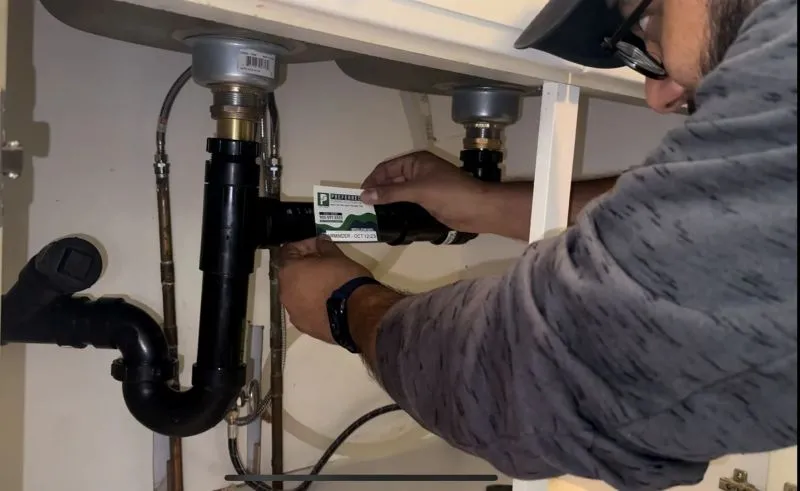
The sudden gush of water from a burst pipe, the nauseating stench of sewage backing up into your bathtub, or the chilling realization that your entire basement is submerged – these are the nightmares of homeownership. Plumbing emergencies are not just inconvenient; they are often devastatingly expensive, causing untold damage to property, risking structural integrity, and even posing health hazards.
While some plumbing crises strike without warning, a surprising number of costly emergencies could have been prevented, or at least mitigated, by heeding early warning signs. Ignoring a persistent drip or a slow-draining sink might seem like a minor inconvenience today, but it can quickly escalate into a financial catastrophe tomorrow. The key to maintaining a healthy home and a healthy wallet lies in understanding when to pick up the phone and call a professional plumber, before the problem spirals out of control.
The Exponential Cost of Delaying
Why is it so crucial to act quickly when it comes to plumbing issues? The answer lies in the nature of water damage and system failures.
- Exponential Damage: A small, hidden leak can silently rot away drywall, insulation, and wooden structures, leading to mold growth, compromised structural integrity, and extensive, costly remediation. What might have been a simple pipe repair becomes a full-scale renovation project involving tear-outs, drying, and reconstruction.
- Emergency Service Premiums: Plumbers, like all professionals, charge a premium for emergency calls outside of regular business hours. A repair that might cost a few hundred dollars during the day could double or triple when it's an urgent, late-night call.
- Health Risks: Stagnant water from leaks or backups creates ideal breeding grounds for mold, mildew, bacteria, and even pests. Exposure to certain molds can trigger allergies, respiratory issues, and other serious health problems, requiring costly professional mold remediation.
- Increased Utility Bills: A running toilet or a hidden leak can silently waste hundreds, even thousands, of gallons of water each month, translating directly into noticeably higher water bills. This continuous drain on your finances can go unnoticed for weeks or months, adding up to a significant sum.
- System Failure & Replacement: Ignoring minor issues like a noisy water heater or a constantly dripping faucet can lead to the premature failure of an entire appliance or system. A simple part replacement or maintenance fix could have extended its life, but procrastination often necessitates a full, expensive replacement.
Understanding these potential consequences highlights why proactive plumbing intervention isn't just a convenience; it's an essential financial strategy for homeowners.
The Subtle Signals: Don't Ignore These Warning Signs
Your home's plumbing system often provides subtle cues that something isn't right. Learning to interpret these signals can save you a fortune.
- The Persistent Drip or Trickle:
- What it is: A faucet that won't stop dripping, a constantly running toilet, or a visible drip from under a sink or appliance.
- Why it's a problem: Beyond the irritating sound and wasted water (a slow drip can waste hundreds of gallons per month), it indicates worn-out washers, seals, corroded valves, or internal leaks.
- Cost of delay: Leads to increased water bills, water stains, mold growth, and eventually, the failure of the fixture or appliance, requiring full replacement rather than a simple repair.
- Slow Drains or Recurring Clogs:
- What it is: Water draining sluggishly in sinks, showers, or tubs, or frequently needing to use chemical drain cleaners to clear blockages.
- Why it's a problem: Indicates a build-up of grease, hair, soap scum, or foreign objects. For recurring issues, it might point to a deeper problem like tree root intrusion, a compromised sewer line, or excessive mineral deposits.
- Cost of delay: Can lead to complete blockages, overflowing fixtures, sewage backups, and expensive sewer line excavation and repair if the underlying issue is severe. Chemical drain cleaners can also corrode pipes over time, leading to leaks.
- Unusual Odors from Drains:
- What it is: A foul, musty, sewage-like, or rotten egg smell emanating from your drains, especially in infrequently used sinks or showers.
- Why it's a problem: Could be a dry P-trap (allowing sewer gas to enter your home), a vent pipe issue, mold growth within the pipes, or, more seriously, a crack in a sewer line allowing sewage to leak into your home's foundation or walls.
- Cost of delay: Unpleasant living conditions, potential health risks from sewer gas exposure, and significant damage if sewage is leaking and causing structural rot or mold.
- Decreased Water Pressure:
- What it is: A noticeable drop in water flow from faucets or showerheads throughout the house, or localized to one fixture.
- Why it's a problem: Can be due to mineral buildup in pipes (especially in older homes with galvanized pipes), a failing pressure regulator, a significant hidden leak somewhere in the system, or issues with your water main.
- Cost of delay: Reduced water efficiency, discomfort, and potentially a major pipe burst or extensive repair if caused by a large, undetected leak.
- Discolored Water:
- What it is: Water that appears rusty (orange/brown), cloudy, or has a strange tint coming from your taps.
- Why it's a problem: Rusty water often indicates corrosion within your hot water heater or galvanized iron pipes. Cloudy water can signify air in the lines, or sediment.
- Cost of delay: Continued consumption of potentially contaminated water, further corrosion leading to leaks or bursts, and premature failure of appliances like water heaters or washing machines.
- Strange Noises (Banging, Whistling, Gurgling):
- What it is: A "water hammer" (banging pipes when water is turned on/off), persistent whistling, or a ghostly gurgle from drains.
- Why it's a problem: Water hammer points to loose pipes or high water pressure; whistling can indicate a partially closed or faulty valve; gurgling often means trapped air or a vent issue, or, more alarmingly, a blockage in the main drain line.
- Cost of delay: Banging can damage pipes and lead to leaks; gurgling can precede a major backup.
- Wet Spots, Puddles, or Water Stains:
- What it is: Unexplained dampness on walls, ceilings, floors, or in cabinets, often accompanied by a musty smell.
- Why it's a problem: Almost certainly indicates a hidden leak from a pipe, appliance, or roof.
- Cost of delay: This is perhaps the most dangerous sign to ignore. Hidden leaks are silent destroyers, causing extensive structural damage, wood rot, mold growth, electrical hazards, and can compromise your home's foundation. The longer it goes, the more expensive and invasive the repair.
- Unexpected Spike in Water Bill:
- What it is: Your water usage (and bill) unexpectedly jumps without a corresponding change in your household's water consumption habits.
- Why it's a problem: A classic indicator of a hidden leak, often underground or within walls, that you cannot see.
- Cost of delay: Continuous waste of water and money, and potential for severe hidden damage as the leak progresses.
- No Hot Water or Inconsistent Hot Water:
- What it is: Your shower goes cold quickly, or you have no hot water at all.
- Why it's a problem: Could be a failing heating element, a faulty thermostat, sediment build-up in the tank, or the water heater reaching the end of its lifespan.
- Cost of delay: Sediment build-up can reduce efficiency and lead to premature failure. A failing tank can eventually burst, causing catastrophic flooding and requiring a full, expensive replacement.
Beyond the Obvious: Proactive Scenarios to Call a Plumber
Sometimes, calling a plumber isn't about fixing a problem, but preventing one entirely.
- Before DIY Disaster Strikes: While small tasks like changing a showerhead can be DIY, tackling anything beyond basic repairs (e.g., re-piping, water heater installation, complex drain issues) can lead to far more expensive damage if done incorrectly. Know your limits and call a pro.
- Routine Inspections & Maintenance: Just like your car needs a tune-up, your plumbing system benefits from regular check-ups. A plumber can inspect pipes, test water pressure, flush your water heater (to remove sediment and prolong its life), and identify minor issues before they become major.
- Before Major Renovations: If you're remodeling a bathroom or kitchen, consult a plumber early. They can advise on pipe relocation, appliance compatibility, and ensure your new layout adheres to codes, avoiding costly rework later.
- When Buying or Selling a Home: A pre-purchase plumbing inspection can uncover hidden issues that might cost you significant money down the line, giving you leverage in negotiations or helping you avoid a money pit. When selling, addressing minor plumbing issues beforehand can boost your home's value and prevent last-minute deal breakers.
The Peace of Mind Pays Off
Calling a plumber at the first sign of trouble isn't just about avoiding a bigger bill; it's about peace of mind. It's about protecting your largest investment, ensuring the health and safety of your family, and maintaining the comfort and functionality of your home.
The cost of a service call or a minor repair pales in comparison to the thousands, or even tens of thousands, of dollars you could face from water damage, mold remediation, or emergency system replacements. By recognizing the subtle cues your plumbing system provides and acting promptly, you transform potential disasters into manageable inconveniences, proving that when it comes to plumbing, a little proactive vigilance truly goes a long, long way.

Related Posts

Rural Renaissance: How Small Towns are Thriving in the Face of Adversity
Rural America is experiencing a resurgence, with small towns thriving through entrepreneurship, tour... Read More
National Digital Identity: Trust, Inclusion, and Innovation
A national digital identity can streamline access to services, protect privacy, and drive economic g... Read More
Manitoba Wildfires: Red Cross Appeal Launched, Pop-Up Animal Shelter Opens to Support Evacuees and Their Pets
The devastating wildfires sweeping across Manitoba in 2025 have triggered a wave of support from acr... Read More
Top Posts

The Ghost Kitchen Revolution: How Data‑Driven Delivery Is Redefining Restaurants
Ghost kitchens are reshaping dining by merging AI‑powered menu curation, sustainable practices, and hyper‑personalized delivery, offering restaurateurs a lo...Read More
Why B2B Marketers Are Betting on Adaptive Experience Platforms
Adaptive experience platforms are the next frontier for B2B marketers, turning static campaigns into living, data‑driven journeys that react instantly to buye...Read More

Data‑Driven Journeys: How Cruises and Bus Tours Are Becoming Personal Adventure Engines
From smart cabin climate controls to adaptive itineraries and cross‑modal loyalty points, data is turning traditional cruises and bus tours into dynamic, pers...Read More

The Hidden ROI of Employee Wellbeing: Why Investing in People Pays Dividends
Employee wellbeing isn’t a cost—it’s a growth engine. This article explores how data‑driven health initiatives boost productivity, cut turnover, and lif...Read More
0 Comments
Post Comment
You will need to Login or Register to comment on this post!