

Canada’s entertainment scene has always been a mosaic of cultures, languages, and regional quirks. Yet for far too long the narrative has been dominated by the glitter of Toronto’s film festivals, Vancouver’s tech‑driven concerts, and Montreal’s nightlife. In recent months, a quieter, more resilient current has begun to surface: small‑town stages, community theatres, and grassroots comedy clubs are emerging as the true engines of cultural innovation. This shift isn’t about nostalgia; it’s about a strategic rebalancing that gives local audiences fresh, affordable experiences while nurturing home‑grown talent.
The Pulse of Regional Music Collectives
Across the Atlantic provinces, the prairie heartland, and even the remote reaches of the Yukon, music collectives are sprouting like wildflowers after a spring thaw. These groups operate on shoestring budgets, but they compensate with creativity and a deep sense of place. A folk‑rock band from Prince Edward Island might record a single in a community centre, then launch a tour that hops from town hall to high school gymnasium. The result is a sound that feels intimate, authentic, and unmistakably Canadian.
What fuels this momentum? A combination of local sponsorships, municipal grant programs, and the willingness of fans to trade a night out in the city for a backyard concert under the stars. The intimacy of these events creates a feedback loop: audiences feel heard, artists feel supported, and the community’s cultural capital grows.
Theatre’s New Frontier: Beyond the Big Cities
While Toronto’s Royal Alexandra and Stratford’s Festival still command attention, an equally compelling theatre renaissance is unfolding in places like Lethbridge, Thunder Bay, and Charlottetown. Small provincial theatres are embracing experimental works that speak directly to the lived experiences of their neighbours—think stories about oil‑field families, Indigenous language preservation, and the humor of daily northern life.
These venues are leveraging partnerships with local schools and universities, turning rehearsal spaces into classrooms and performance halls into community hubs. By doing so, they create pipelines for emerging playwrights and actors who might otherwise migrate eastward in search of opportunity. The result is a vibrant, decentralized ecosystem where fresh voices can thrive without the pressure of commercial Broadway expectations.
Bilingual Comedy Circuits Bridging Cultures
Comedy, perhaps more than any other art form, thrives on the exchange of ideas. In Canada, the bilingual comedy circuit is becoming a cultural bridge that connects English‑speaking audiences with Francophone humorists, and vice‑versa. Tours now feature line‑ups where a French‑speaking stand‑up follows an English act, with seamless translation cues and occasional code‑switching jokes that celebrate linguistic duality.
This model does more than entertain; it fosters mutual understanding and highlights the shared absurdities of life across language lines. The humor is rooted in local references—small‑town hockey rivalries, the quirks of maple syrup production, or the occasional encounter with a moose on the highway—making the laughs feel personal and inclusive.
Technology’s Subtle Hand in Audience Engagement
While AI‑driven experiences dominate headlines, the tech reshaping Canadian entertainment is often more subtle. QR‑coded playbills, mobile ticketing apps that reward repeat attendance, and live‑streamed “back‑stage” chats let audiences feel part of the production without overwhelming the core experience. These tools democratize access, allowing a teenager in a remote hamlet to engage with a theatre production in real time, ask questions, and even influence future programming through polls.
Importantly, these technologies are deployed with restraint. The focus remains on preserving the immediacy of live performance while offering a digital safety net for those who can’t be physically present. The balance between the tactile and the virtual is where the magic happens.
Community‑Driven Venue Sharing
One of the most effective solutions to the shortage of performance spaces in rural Canada has been the rise of collaborative venue models. Community centres, libraries, and even local breweries are opening their doors to artists on a rotating schedule, creating a shared‑resource ecosystem that mirrors the success of tool libraries in other sectors.
These partnerships echo the principles outlined in community‑driven venue sharing. By pooling space, equipment, and promotional channels, artists reduce overhead costs and audiences gain a richer, more diverse slate of events. The result is a win‑win that strengthens both the cultural fabric and the local economy.
Budget‑Friendly Entertainment Tips
For many Canadians, the cost of living is a pressing concern, and entertainment budgets often feel like the first to be trimmed. Yet there are clever ways to enjoy high‑quality cultural experiences without breaking the bank. Many municipalities offer “culture nights” where admission is free or heavily discounted after certain hours. Local radio stations frequently run contests for complimentary tickets to regional festivals.
Another strategy is to combine outings: a Saturday morning farmer’s market followed by an afternoon open‑mic at a nearby coffee shop creates a full day of community immersion at minimal cost. For families, checking out budget-friendly entertainment tips from local newsletters can uncover hidden gems like free outdoor cinema screenings or pop‑up art installations in public parks.
Data‑Centric Streaming Regulations and Local Content
While streaming giants dominate the national conversation, recent discussions about data‑centric streaming regulations have opened doors for home‑grown creators. By mandating a percentage of Canadian‑origin content, regulators are encouraging platforms to spotlight regional musicians, indie filmmakers, and theatrical productions that might otherwise be eclipsed by global megahits.
This policy shift not only boosts visibility for local talent but also incentivizes producers to invest in stories that reflect the diverse realities of Canadian life—from the rugged coastlines of Nova Scotia to the bustling markets of Vancouver Island.
The Road Ahead: A Balanced Cultural Landscape
The emerging picture is one of balance: big‑city events still hold sway, but they now share the spotlight with a constellation of small‑town venues, community theatres, and bilingual comedy clubs. Audiences are becoming more adventurous, seeking authentic experiences that connect them to their neighbours and to the broader Canadian narrative.
As the entertainment ecosystem continues to diversify, the key will be sustained investment in grassroots infrastructure, inclusive programming, and modest yet effective use of technology. When communities rally around their local artists, the cultural output becomes richer, more resilient, and unmistakably Canadian.

Related Posts

How Canada’s Music Festivals Are Reimagining Live Entertainment
Canadian festivals are booming again, merging heritage with cutting‑edge tech, eco‑initiatives, ... Read More
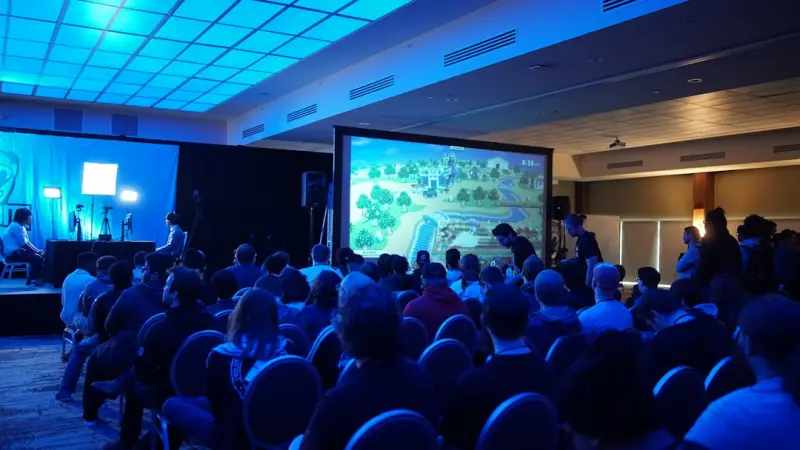
Beyond the Screen: How Pop‑Up Immersive Events Are Rewriting Canada’s Entertainment Landscape
Canada’s entertainment landscape is shifting from passive streaming to vibrant, temporary pop‑up... Read More

Why Canada’s Festival Scene Is Getting a High‑Tech Makeover (And What It Means for Fans)
From holographic headliners to community‑centric apps, Canadian festivals are evolving with techno... Read More
Top Posts

Regenerative Tourism: Turning Trips Into Community Boosts
Regenerative tourism goes beyond sustainability, inviting travelers to actively restore ecosystems, culture, and economies. Learn practical steps, real‑world ...Read More
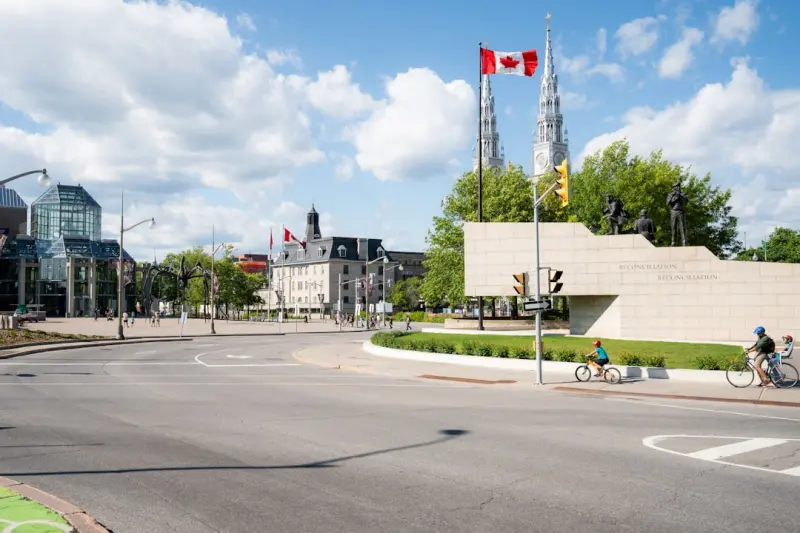
How Community Tool Libraries Are Reshaping Canadian Home Life
Community tool libraries are turning borrowing into a neighborhood ritual, saving money, reducing waste, and strengthening social ties across Canada. Discover h...Read More

Reviving National Radio: How Public Broadcasting Finds New Life in the Digital Age
Discover how public radio is adapting to streaming, using podcasts and grassroots support to keep national voices alive across Canada....Read More

Pharmacist‑Led Clinics: A New Frontier for Canadian Primary Care
Pharmacist‑led clinics are redefining primary care in Canada, offering faster access, lower costs, and integrated health services, especially in underserved r...Read More
0 Comments
Post Comment
You will need to Login or Register to comment on this post!