
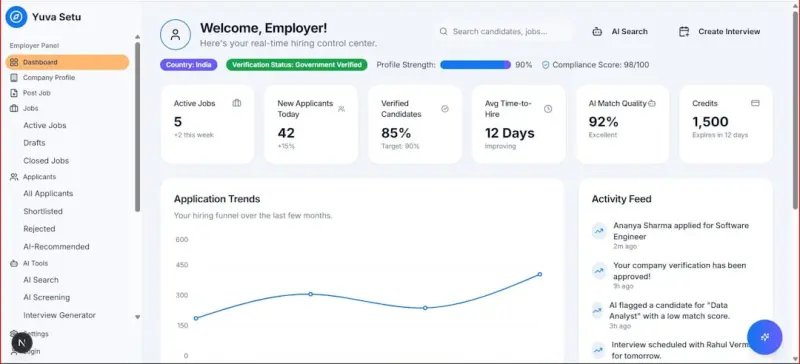
Rethinking Growth: From Funnels to Flywheels
When I first stepped into the SaaS world, the funnel was the holy grail. It was simple: attract, convert, close, and celebrate. Fast forward a few product releases, a handful of churn reports, and a lot of late‑night brainstorming sessions, and I realized the funnel was more of a one‑way street than a sustainable highway.
Enter the flywheel—a continuous loop that turns happy customers into advocates, who in turn attract new prospects. It’s not just a buzzword; it’s a fundamental shift in how we think about marketing, sales, and product experience. In this post, I’ll walk you through why the flywheel matters, how to build it, and the subtle levers that can supercharge its momentum.
Why the Funnel Is Losing Its Edge
The traditional funnel is built on the assumption that once a lead converts, the journey ends. That mindset creates a “closed‑door” approach to revenue, where post‑sale interactions become an afterthought. Here are three pain points that most SaaS teams hit:
- High acquisition cost. You spend a lot to bring someone in, then hope the lifetime value (LTV) justifies it.
- Fragmented hand‑offs. Marketing, sales, and support often operate in silos, leading to a disjointed experience.
- Churn blind spots. Without continuous engagement, customers slip away before you even notice.
These issues aren’t new, but the environment is. Today’s buyers expect personalized, frictionless experiences—something a linear funnel simply can’t deliver.
The Flywheel: A Living, Breathing Engine
A flywheel is a heavy wheel that stores kinetic energy. The more you push, the faster it spins, and the less effort you need to keep it moving. In a SaaS context, each delighted user adds momentum. The three core components are:
- Attract. Pull prospects in with value‑first content, community, and organic buzz.
- Engage. Deliver ongoing value that solves problems and deepens trust.
- Delight. Turn users into advocates who willingly spread the word.
Unlike a funnel that ends at conversion, the flywheel loops back—advocates become new attractors, creating a virtuous cycle.
Building the Flywheel: Practical Steps
1. Map the Customer Journey End‑to‑End
Start by charting every touchpoint—from the first blog post to the renewal conversation. Look for friction points and moments of delight. Use a customer journey map not just to visualize, but to assign owners for each stage.
2. Align Teams Around a Shared Metric
The funnel often hides the fact that marketing, sales, and support speak different languages. Choose a unified metric—like net revenue retention (NRR)—and make it the north star for all departments. When the metric improves, everyone wins.
3. Invest in Self‑Service and Community
Modern buyers love to solve problems on their own. A robust knowledge base, interactive tutorials, and a thriving user community reduce support tickets and turn users into power users. This empowerment is a powerful source of momentum.
4. Leverage Data Responsibly
Data is the oil that greases the flywheel, but it must flow ethically. The public‑sector data trust model offers a blueprint for secure, shared data ecosystems that respect privacy while unlocking insights. Apply similar principles internally: create a “data trust” between marketing, product, and success teams so insights are shared without silos.
5. Create Moments of Surprise
Delight isn’t just about solving problems; it’s about exceeding expectations. Think of a “thank‑you” video from your CEO after a renewal, or a surprise feature preview for long‑time users. These micro‑wins add emotional weight to the relationship.
6. Turn Feedback Into Product Roadmaps
When customers see their suggestions shape the product, they become co‑creators. This deepens loyalty and fuels advocacy. Use a transparent roadmap that highlights community‑sourced ideas and credit the contributors.
The Psychology Behind Advocacy
People love to feel like insiders. The psychology of deal‑making teaches us that perceived value is amplified when the buyer feels they’ve earned a special benefit. Apply that to advocacy: give your most enthusiastic users exclusive beta access, early‑bird discounts, or a “founder’s club” badge. The sense of belonging turns a satisfied customer into a vocal champion.
Technology That Powers the Flywheel
While the strategy is human‑centric, technology is the catalyst. Here’s a quick stack checklist:
- Customer Data Platform (CDP). Unifies data across touchpoints for a 360° view.
- Product‑Led Growth (PLG) tools. In‑app onboarding flows that guide users to their “aha!” moments.
- Community platforms. Forums, Discord, or Slack channels where users help each other.
- Feedback loops. Tools like NPS surveys, feature voting, and usage analytics that feed directly into product decisions.
Measuring Flywheel Health
Just as you tracked funnel conversion rates, you need metrics for the flywheel:
| Metric | What It Shows |
|---|---|
| Net Revenue Retention (NRR) | Revenue growth from existing customers. |
| Referral Rate | Percentage of new sign‑ups coming from existing users. |
| Customer Advocacy Score (CAS) | Blend of NPS, referral intent, and community participation. |
| Time‑to‑Value (TTV) | Speed at which users hit their first success milestone. |
When these numbers move in the same direction, your flywheel is gaining speed.
Common Pitfalls and How to Avoid Them
- Over‑optimizing acquisition. If you pour all resources into top‑of‑funnel ads, you’ll spin a heavy wheel that never reaches peak speed. Balance spend across all stages.
- Neglecting churn signals. Early warning signs—like decreased login frequency—must trigger proactive outreach.
- One‑size‑fits‑all messaging. Personalization isn’t a luxury; it’s a necessity. Use behavior‑based triggers to tailor communications.
- Data silos. Without shared data, teams make decisions in isolation. A unified data trust breaks down those walls.
Case Study: Turning a Stagnant Funnel into a Roaring Flywheel
One mid‑size SaaS I consulted for was stuck at a 15% conversion rate and a 5% churn. We implemented a flywheel approach:
- Introduced an in‑app onboarding wizard that reduced Time‑to‑Value by 30%.
- Launched a user community that answered 40% of support tickets automatically.
- Created a “Customer Champion” program rewarding referrals with exclusive webinars.
Within six months, NRR jumped to 112%, referral rate rose from 2% to 9%, and churn fell to 2.5%. The momentum was palpable—the flywheel was truly spinning.
Future‑Proofing Your Flywheel
Markets evolve, and so must your flywheel. Keep these forward‑looking practices on your radar:
- Generative AI for personalized content. Imagine an AI that crafts a unique case study for each prospect based on their usage patterns.
- Embedded analytics. Real‑time dashboards that surface user friction points the moment they occur.
- Sustainable advocacy. Align your brand with purpose‑driven initiatives that resonate with your community, turning social impact into a growth lever.
When you treat every interaction as an opportunity to add energy, the flywheel becomes not just a growth engine but a cultural cornerstone.
Final Thoughts: Keep the Wheel Turning
Switching from a funnel to a flywheel isn’t a one‑time project; it’s a mindset shift. It asks you to view customers as partners, to share data responsibly, and to celebrate every win—big or small. When you align teams, empower users, and measure the right metrics, you’ll find that the wheel not only turns faster; it sustains its speed even when market winds change.
If you’re ready to replace the old funnel with a living, breathing engine, start small. Pick one friction point, turn it into a delight, and watch the momentum ripple through your organization. The flywheel isn’t a myth—it’s a practical, data‑informed framework that can transform how SaaS companies grow, retain, and inspire.

Related Posts

Beyond the Funnel: Building a Sustainable B2B Flywheel
Learn why the traditional marketing funnel is limiting B2B growth and how a flywheel approach—focu... Read More
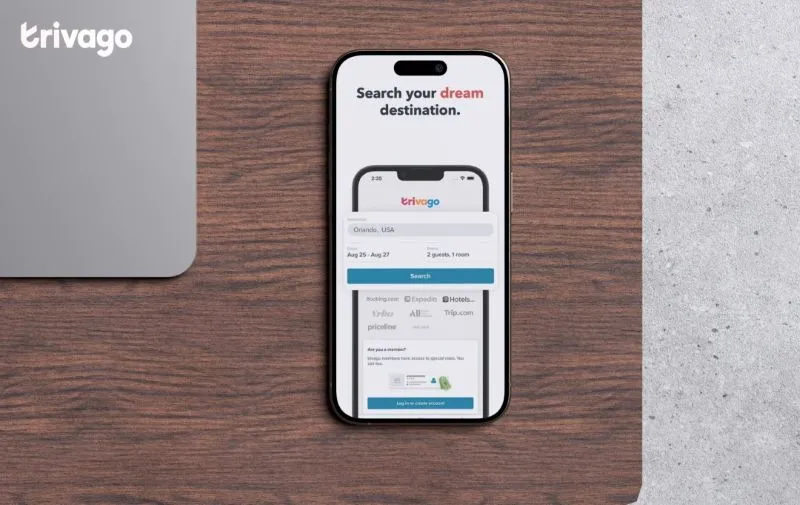
TRIVAGO The online Booking APP- Direct Hotel Booking vs. Third-Party Hotel Booking
I was buzzing with excitement for our trip to Niagara Falls. My wife and I had been planning a quick... Read More

Why Marketers Must Embrace the Micro‑Ecosystem Revolution
Marketing is no longer about broad ads; it’s a dynamic micro‑ecosystem of influencers, AI, and p... Read More
Top Posts

Wild Ingredients, Zero‑Waste Cocktails: A New Frontier for Food & Drink Lovers
Explore the rise of zero‑waste mixology, using foraged botanicals, natural sweeteners, and DIY ferments to craft unforgettable drinks that honor the land....Read More
Unlocking Rest: How High-Performance Professionals Can Master Sleep Hygiene
A data‑driven approach to sleep hygiene can transform the performance of high‑pressure professionals, turning rest into a strategic asset that fuels focus, ...Read More

The Secret Sauce of Tiered Discounts: Turning SaaS Pricing Into a Savings Engine
Learn how tiered discounts, strategic commitments, and purpose‑driven negotiations can turn standard SaaS pricing into a powerful savings engine, complete wit...Read More

Unlock Peak Performance with a Color‑First Eating Strategy
A practical guide to using the colors of nature—red, orange, blue, green—to fuel sustained energy, improve cognition, and support overall wellbeing, all wit...Read More
0 Comments
Post Comment
You will need to Login or Register to comment on this post!