
When Smart Speakers Lurk in the Playroom: A Parent’s Wake‑Up Call
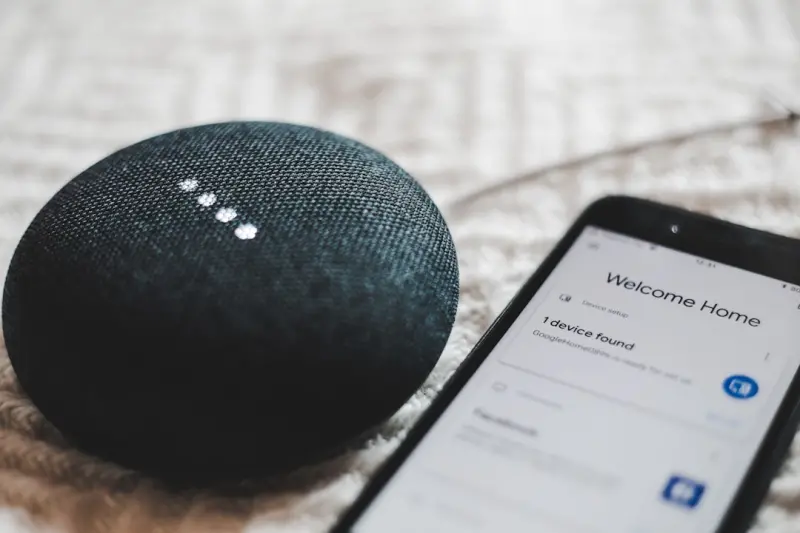
Imagine a bright Saturday morning. The living room hums with the chatter of a toddler narrating a story to a plush unicorn, while a sleek, cylindrical device perched on a shelf quietly records every syllable. It’s not a spy movie; it’s the everyday reality of many households that have welcomed voice‑activated assistants into the family sphere.
These devices promise convenience—“Play ‘Baby Shark’ on repeat,” “Set a timer for the cookie bake,” “Turn off the lights.” Yet, behind the friendly wake‑word lies a sophisticated network of microphones, cloud servers, and algorithms that can capture, analyze, and even predict the very words our children utter. As a parent who grew up with the crackle of a rotary phone and now lives in a home that talks back, I’m compelled to sound the alarm before the convenience turns into an unseen invasion of privacy.
The Silent Eavesdropper: How Voice Assistants Work
At first glance, a voice assistant seems harmless. Press a button, speak a command, receive an answer. The reality is more complex:
- Always‑On Microphones: Most devices keep a tiny array of microphones in a constant listening mode, waiting for the trigger phrase (“Hey Alexa,” “Hey Google”). While they claim to process only the wake‑word locally, the surrounding sounds are often streamed to the cloud for verification.
- Cloud Processing: Once the wake‑word is detected, the audio snippet is sent to remote servers where speech‑to‑text conversion, intent parsing, and response generation occur. This means every utterance—intended or not—travels over the internet.
- Data Retention: Companies typically store these recordings for a period of time, using them to improve accuracy. Some even retain the raw audio for research, marketing, or legal compliance.
For adults, the occasional “What’s the weather?” feels innocuous. For children, who are naturally curious and less aware of privacy norms, the stakes are higher. A toddler might ask a device, “Why is the sky blue?” and then, moments later, mutter a personal anecdote about a bedtime fear. Both become data points in an algorithmic ledger.
Why Kids’ Voices Matter More Than You Think
Children’s speech patterns differ significantly from adults’. They use simpler sentences, repeat phrases, and often mention personal details (e.g., favorite toys, family members). These nuances can be leveraged in two concerning ways:
- Behavioral Profiling: By analyzing vocal cues, companies can infer a child’s age, gender, emotional state, and even socioeconomic background. This data can feed into targeted advertising ecosystems that were once limited to web cookies.
- Voice‑Biometric Identification: Emerging research shows that voice can serve as a biometric identifier. In the hands of malicious actors, a child’s voice could be used to spoof voice‑based security systems or for deepfake creation.
In short, the very thing that makes voice assistants seem magical—understanding spoken language—also gives them a window into the intimate world of a child’s mind.
The Hidden Curriculum: Shaping Language and Social Skills
Beyond privacy, there’s a subtler, long‑term impact. When a child repeatedly receives answers from a device instead of a human, they learn to outsource conversation. Studies suggest that early reliance on voice assistants may delay the development of conversational turn‑taking, empathy, and even vocabulary richness.
Consider the scenario where a child asks, “What’s the capital of France?” and receives an instant answer. The child skips the mental exercise of recalling, researching, or asking a parent. While efficiency isn’t inherently negative, the cumulative effect can erode critical thinking habits.
From Convenience to Cost: The Financial Angle
Voice assistants often act as gateways to subscription services: music streaming, audiobooks, kid‑friendly podcasts, and more. A simple “Play bedtime stories” can trigger a trial subscription that rolls into a paid plan unless the parent actively cancels. The unseen wallet drain that many families experience with transportation apps mirrors this pattern—small, recurring costs that add up unnoticed.
Moreover, third‑party “skills” or “actions” (apps built for the voice platform) may embed in‑app purchases or data‑sharing agreements. A game that claims to be “free” might prompt a child to request a virtual sticker pack, leading to a charge on a parent’s linked credit card.
Regulatory Landscape: A Patchwork Quilt
Legislation is catching up, but it remains uneven. In some regions, laws such as COPPA (Children’s Online Privacy Protection Act) require parental consent before collecting data from children under 13. However, enforcement is tricky when data is collected via voice without explicit opt‑in screens.
Internationally, the GDPR (General Data Protection Regulation) offers broader protections, but its application to voice data is still being interpreted. The result is a patchwork of rules that often leaves parents navigating a gray area.
Practical Steps for Parents
Below are actionable measures you can take right now to safeguard your child’s privacy while still enjoying the convenience of voice assistants.
- Mute When Not in Use: Most devices have a physical mute button that disables the microphone. Make it a habit to mute the device when the child is playing nearby.
- Review and Delete Recordings: Access your voice assistant’s settings portal and regularly delete stored audio recordings. Some platforms allow you to set auto‑deletion after a certain period.
- Disable Third‑Party Skills: Audit the enabled skills and disable any that are not essential, especially those aimed at children.
- Set Up Voice Profiles Wisely: If your device supports individual voice profiles, create a separate one for your child with restricted permissions.
- Educate Early: Teach kids that the device is “listening” and encourage them to speak aloud only when needed. Simple rules—like “Ask Mom or Dad first before asking the speaker” —can build good habits.
- Use Alternative Solutions: For bedtime stories, consider dedicated children’s audio players that store content locally, eliminating cloud transmission.
Balancing Act: Embracing Benefits Without the Risks
Voice assistants are not inherently evil; they can foster learning, independence, and accessibility—especially for children with speech or mobility challenges. The key is intentional use. By setting boundaries, you can transform a potential privacy nightmare into a controlled, beneficial tool.
Looking Ahead: The Future of Voice Tech in the Home
Industry insiders predict that voice assistants will become even more contextual, integrating with IoT devices to manage everything from thermostats to refrigerators. As these ecosystems expand, so will the data points collected from each interaction.
Imagine a future where your child’s voice not only requests a story but also adjusts the lighting, orders snacks, and logs activity in a health tracker—all without your explicit consent each time. The convenience will be staggering, but the need for robust parental controls will be paramount.
For families eager to stay ahead, staying informed is the first line of defense. Subscribe to newsletters from consumer‑rights groups, follow privacy‑focused tech blogs, and regularly revisit the settings of each device you bring home.
Conclusion: Turn the Volume Down on Unseen Listening
The allure of a smart speaker that can answer “why is the sky blue?” is undeniable, especially when it can lull a restless child to sleep with a favorite lullaby. Yet, as with any technology that listens, the potential for misuse looms.
By treating voice assistants with the same caution you would afford any new toy—inspect, set limits, and regularly check for hidden costs—you can protect your child’s privacy, nurture healthy communication habits, and keep the household budget intact.
Remember, the most powerful parental superpower isn’t a mute button; it’s awareness. Keep the conversation open, stay curious about the tech you invite into your home, and never hesitate to ask the hard questions. After all, the future will be spoken, and it starts with the words we let our children say.
For a deeper dive into how hidden costs can creep into seemingly innocent tech, check out this article on hidden costs of in‑game monetization. And if you’re interested in how unexpected expenses can silently drain family finances, the unseen wallet drain piece offers valuable insights.

Related Posts

When the Playground Goes Digital: A Parental Warning About the Invisible Data Trail
A deep dive into how modern toys, AR games, and AI‑driven apps harvest children’s data, with act... Read More

Parental Warning: The Invisible Risks of Kids’ Wearable Tech
Kids’ wearable devices promise fun and fitness, but they also harvest sensitive data and employ pe... Read More

Parental Warning: When Kids’ Learning Apps Turn Into Data Miners
Educational apps often hide data collection behind cute graphics and school endorsements. This post ... Read More
Top Posts

Strategic Deal Stacking: How B2B Teams Unlock Massive SaaS Savings
Deal stacking transforms routine SaaS procurement into a strategic savings engine. Discover step‑by‑step tactics—from mapping tools and bundling to levera...Read More

How Intentional Breathing Can Transform Your Health
A deep dive into the power of intentional breathing, blending science, simple exercises, and nutrition tips to revitalize mind, body, and gut health....Read More

Maximizing Your Savings: A Holistic Approach to Financial Wellness
Achieve financial stability with a holistic approach to saving money. Learn how to cut costs, support local farmers, and prioritize mental health for a more res...Read More

Borrow, Don't Own: How Shared Tool Libraries Are Redefining the Cost of Living
Explore the financial and practical benefits of shared tool libraries, from reduced purchase costs and storage needs to community-driven savings and smarter bud...Read More
0 Comments
Post Comment
You will need to Login or Register to comment on this post!