

When I first rolled up my sleeves on my grandfather’s wheat field in the heart of the Prairies, the rhythm of the land felt immutable – sow, tend, reap, repeat. Decades later, that rhythm is being remixed by a new generation of farmers who are swapping solo‑solo silos for collaborative ecosystems, weaving sensors into the soil, and plugging turbines into the very rows they once feared would stay forever static. This isn’t a fleeting trend; it’s a wholesale re‑imagining of what it means to farm in Canada today.
Cooperatives: The Power of Many Hands
The old myth of the lone farmer battling the elements is being replaced by a networked model of shared ownership. Modern farm cooperatives are more than just a cost‑saving measure; they’re incubators for innovation. By pooling resources, farmers can afford high‑tech equipment – from autonomous tractors to real‑time weather stations – that would be prohibitive for an individual operation.
Take the example of the Ontario Grain Alliance, a coalition of mid‑size grain growers who collectively own a fleet of precision‑planting drones. Instead of each farmer hiring an outside contractor, the alliance schedules drone runs across member fields, ensuring seed placement accuracy within centimetres. The result? Yield boosts of 8‑12% and a dramatic reduction in seed waste.
Cooperatives also democratize market access. Through shared branding, a group of organic vegetable farms in Nova Scotia can negotiate contracts with national retailers on the same footing as larger corporate growers. The collective narrative – “Locally grown, cooperatively harvested” – resonates with consumers hungry for transparency, creating a premium price point that benefits every member.
Tech Beyond the Cloud: Sensors, Drones, and AI on the Ground
While the buzz around data‑driven wins for Canadian farmers has highlighted the power of analytics, the next frontier is embedding intelligence directly into the soil and canopy. Soil moisture sensors now transmit granular data every five minutes, allowing irrigation systems to pulse only where water is needed, slashing usage by up to 30%.
Drone‑mounted multispectral cameras can detect early signs of fungal infection before the farmer even steps onto the field. By feeding this imagery into machine‑learning models trained on thousands of past outbreaks, the system flags hotspots and recommends targeted fungicide applications. This precision approach not only preserves beneficial microbes but also cuts chemical costs.
Artificial intelligence is also being harnessed for predictive breeding. Researchers at a Saskatchewan university have partnered with a network of dairy farms to feed AI models with genetics, feed composition, and health records. The AI suggests optimal cross‑breeding strategies to enhance milk yield while maintaining animal welfare – a win‑win that respects both productivity and ethics.
Renewable Energy: From Sunlit Barns to Farm‑Scale Microgrids
Energy costs have long been a hidden tax on farm profitability. The shift toward renewable power is turning this liability into an asset. Solar panels installed on barn roofs now generate enough electricity to power milking parlors, while excess energy is stored in battery systems for nighttime operations.
One standout example comes from a family farm in British Columbia that installed a 500‑kilowatt wind turbine on its property’s ridge line. The turbine feeds into a microgrid that not only powers the farm but also supplies surplus electricity to neighboring farms through a cooperative energy exchange. This model mirrors the community‑focused approach highlighted in Canada’s quiet home energy shift, but on a scale that directly supports agricultural resilience.
Beyond on‑site generation, farms are exploring biogas digesters that convert livestock manure into methane, providing a steady source of heat for greenhouses and a renewable fuel for farm vehicles. This circular energy loop reduces reliance on fossil fuels and cuts greenhouse‑gas emissions, aligning with Canada’s broader climate commitments.
Direct‑to‑Consumer Channels: The New Farm‑to‑Table Highway
Digital marketplaces are erasing the distance between growers and eaters. Platforms that aggregate weekly CSA (Community Supported Agriculture) boxes allow farmers to sell directly to urban households, bypassing traditional distributors. This model not only improves margins but also creates a feedback loop: consumers can rate produce, suggest varieties, and even vote on the next season’s planting schedule.
Social media plays a starring role, with live‑streamed “farm walks” that let customers watch their carrots being pulled from the earth. These authentic moments build trust and loyalty, turning one‑time buyers into lifelong patrons. The rise of subscription‑based produce boxes mirrors the broader subscription economy discussed in other industry pieces, but here the product is as fresh as it gets.
Mental Wellness and Community Building
Farming is as much a mental marathon as it is a physical one. Isolation, unpredictable weather, and market volatility can take a toll. Cooperative structures inherently provide a support network; regular meet‑ups, shared decision‑making, and collective problem‑solving reduce the sense of solitude.
Several cooperatives now incorporate mental‑health resources into their membership benefits: on‑site counseling sessions, peer‑support circles, and workshops on stress management. By normalizing conversations about mental health, they foster a culture where seeking help is seen as a strength, not a weakness.
Moreover, many farms are opening their doors to agritourism, inviting families for harvest festivals, farm‑to‑fork dinners, and educational tours. These events serve a dual purpose – they diversify income streams and create a sense of community pride. The model resonates with the principles of regenerative tourism, turning visitors into advocates for sustainable agriculture.
Policy Landscape: Leveraging Government Programs
Federal and provincial programs are increasingly recognizing the value of cooperative, tech‑forward farming. Grants for renewable energy installations, low‑interest loans for precision equipment, and tax incentives for carbon‑sequestering practices are now more accessible than ever. Navigating these opportunities, however, requires a coordinated approach – something cooperatives are uniquely positioned to manage.
By appointing a dedicated policy liaison, many cooperatives act as a unified voice in advocacy, ensuring that legislation reflects the realities of modern farming. This collective lobbying has already secured increased funding for broadband expansion in rural areas, a critical piece for keeping IoT devices and cloud platforms connected.
Looking Ahead: A Resilient, Collaborative Future
The convergence of cooperative economics, cutting‑edge technology, renewable energy, and community engagement is reshaping Canadian agriculture. Farmers are no longer solitary stewards of isolated plots; they are members of dynamic networks that amplify innovation, share risk, and nurture well‑being.
As climate challenges intensify and consumer expectations evolve, the farms that thrive will be those that embrace collaboration over competition, data over guesswork, and sustainability over short‑term gain. The future of Canadian farming is not just about feeding the nation – it’s about cultivating a resilient ecosystem where land, people, and technology grow together.

Related Posts
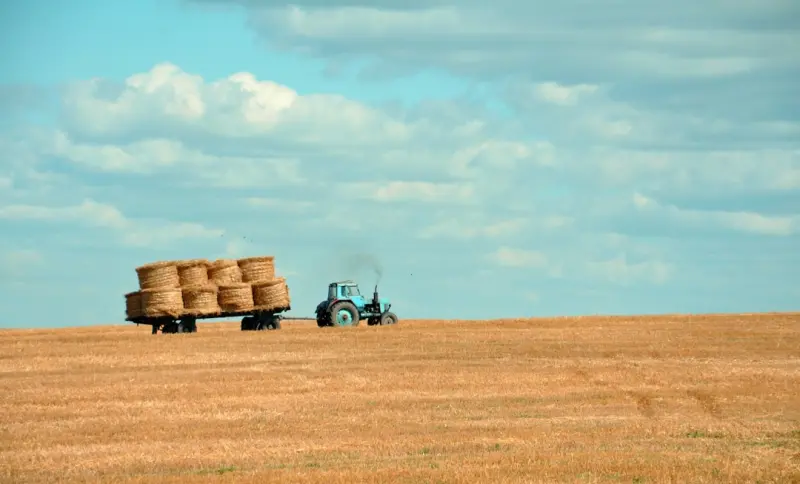
Harvesting Experiences: How Canadian Farmers are Redefining Agri‑Tourism for the Modern Guest
Canadian farmers are embracing agri‑tourism to diversify income, deepen consumer connections, and ... Read More
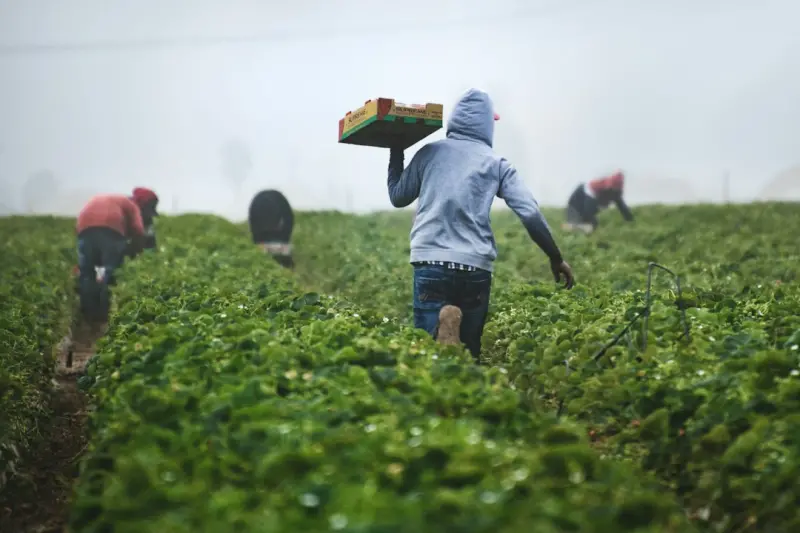
Regenerative Roots: Canadian Farmers Building Climate‑Resilient Futures
Canadian farmers are merging ancient Indigenous stewardship with cutting‑edge technology to create... Read More
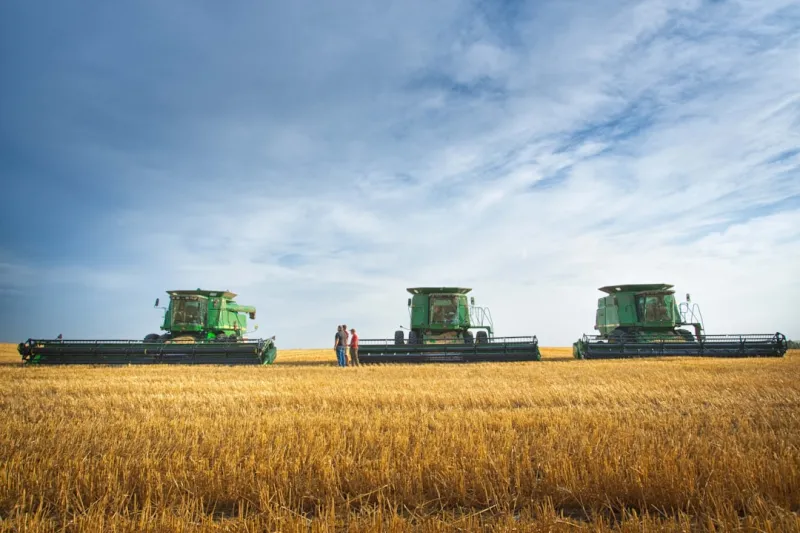
The Unseen Struggles of Canadian Farmers
Canadian farmers face a multitude of challenges, from climate change to financial stress. Learn more... Read More
Top Posts

Strategic Growth in the Gig‑Driven Economy: Turning Partnerships into Profit
Learn how to transform gig‑based collaborations, leverage micro‑communities, and monetize data ethically to drive sustainable growth and competitive advanta...Read More

Reimagining Mental Health Care in Canadian Workplaces
Canadian employers are turning to clinically validated digital therapeutics to address rising mental‑health challenges, integrating data‑driven solutions th...Read More

Reclaiming Canada’s Voice: A Personal Journey into Language Revival
A personal look at Canada’s linguistic renaissance, uncovering how grassroots efforts, tech tools, and new policies are reviving languages that define our nat...Read More

Subscription Spiral: Unpacking Hidden Costs of Convenience
Explore the unseen financial drain of everyday subscription services, from hidden fees to energy costs, and get actionable tips to audit, cut, and align subscri...Read More
0 Comments
Post Comment
You will need to Login or Register to comment on this post!