
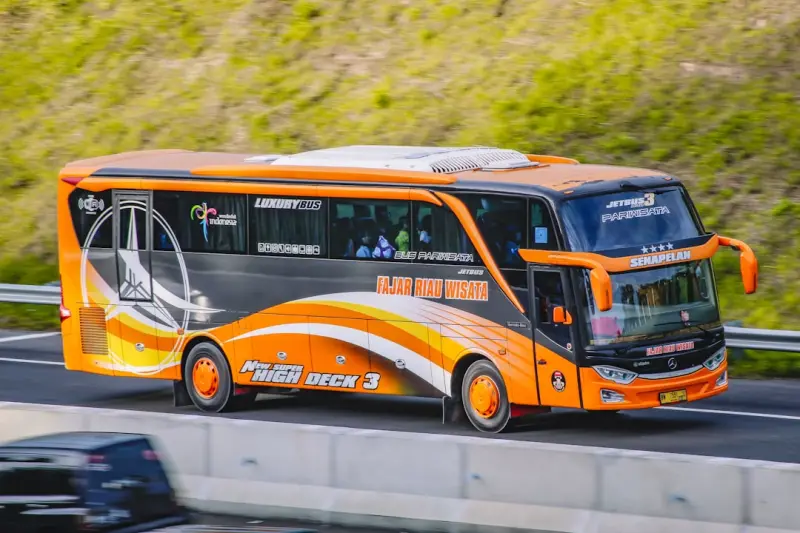
When the sun sets over a glistening ocean and the gentle hum of a bus engine rolls through a remote valley, travelers are no longer just passengers—they’re participants in a narrative that unfolds step by step. The old paradigm of “set‑it‑and‑forget‑it” itineraries is fading, replaced by a philosophy that treats every voyage as a living story, meticulously crafted to resonate with each guest’s passions, values, and curiosity.
From Generic Packages to Tailored Storylines
For decades, cruise lines and bus tour operators offered a one‑size‑fits‑all menu: a fixed route, a handful of meals, and a schedule that rarely deviated. Today, the market rewards depth over breadth. Travelers now seek experiences that mirror their personal interests—whether that’s culinary exploration, wildlife photography, historic architecture, or wellness retreats.
Imagine a cruise that begins with a sunrise yoga session on deck, transitions to a hands‑on pottery workshop in a Mediterranean port, and ends with a midnight stargazing talk by an astronomer. Or picture a bus tour that weaves through artisanal cheese farms, stops for a guided hike led by a local ecologist, and finishes with a community dinner featuring regional folk music. The difference lies in the intentional design of each touchpoint, turning a trip into a cohesive, immersive storyline.
Data‑Driven Personalization Without the Intrusion
The engine behind this transformation is data—collected ethically, interpreted thoughtfully, and applied sparingly. By analyzing booking histories, preference surveys, and even social media cues (with consent), operators can segment travelers into nuanced personas: the “Eco‑Explorer,” the “Cultural Connoisseur,” the “Adventure Seeker,” and so on.
These personas then inform every element of the journey:
- Onboard programming: Tailored lectures, workshops, and entertainment that align with the group’s interests.
- Shore excursions: Curated stops that reflect local authenticity rather than generic tourist traps.
- Meal plans: Menus that highlight regional specialties and cater to dietary preferences.
- Room assignments: Cabins positioned to maximize views or privacy based on guest priorities.
Crucially, the process respects privacy. Travelers are offered clear choices to share or withhold information, and all data handling follows stringent standards. This transparent approach builds trust, turning personalization into a partnership rather than a gimmick.
Technology as the Storyteller’s Canvas
While data provides the blueprint, technology supplies the brushstrokes. Augmented reality (AR) guides, interactive tablets, and AI‑powered chat assistants enrich the journey without overwhelming it.
On a cruise, passengers might point their device at a historic landmark and instantly receive a layered narrative—visual overlays, audio anecdotes, and even 3D reconstructions of the site’s past. On a bus tour, AR windows could transform a passing landscape into an animated timeline, showing how a valley evolved over centuries.
These tools are deliberately lightweight. They complement, not replace, human interaction. A knowledgeable guide still leads the group, but technology fills the gaps, offering deeper insight for those who crave it while allowing others to simply enjoy the scenery.
Sustainability Woven Into the Fabric of Travel
Environmental stewardship is no longer a side note; it’s a core pillar of modern itineraries. Operators are adopting measures that reduce carbon footprints, support local economies, and preserve cultural heritage.
For cruises, this means integrating cleaner propulsion systems, optimizing route efficiency, and partnering with ports that prioritize waste reduction. On bus tours, it involves selecting fuel‑efficient vehicles, scheduling routes that minimize empty miles, and encouraging passengers to offset their travel emissions.
Beyond logistics, sustainability also shapes the narrative. Guests are invited to participate in beach clean‑ups, learn about regenerative farming practices, or attend workshops on responsible tourism. These experiences transform passengers from passive observers into active contributors, deepening their connection to the places they visit.
Community Collaboration: The Heartbeat of Authentic Journeys
True immersion requires more than scenic backdrops—it demands genuine interaction with the people who call each destination home. Operators are forging partnerships with local artisans, chefs, historians, and NGOs to co‑create experiences that benefit both travelers and communities.
For example, a bus tour through a historic river valley might collaborate with a regional craft cooperative, allowing passengers to learn traditional weaving techniques and purchase directly from the makers. A cruise docking at a coastal town could host a storytelling evening featuring local elders, preserving oral histories while providing a platform for cultural exchange.
These collaborations are mutually advantageous: communities gain economic support and a wider audience for their heritage, while travelers receive authentic, meaningful encounters that enrich their journeys.
Designing the Journey: A Collaborative Process
Creating a curated itinerary is a multidisciplinary effort. It begins with a deep dive into guest insights, followed by workshops with destination experts, sustainability consultants, and technology partners. The result is a storyboard—much like a film script—detailing each moment, sensory element, and learning objective.
Prototyping plays a crucial role. Before a full rollout, operators test segments of the journey with focus groups, gathering feedback on pacing, content relevance, and emotional impact. Adjustments are made iteratively, ensuring the final product delivers a seamless, resonant experience.
For those interested in the broader implications of such iterative design, see this related insight on experience loops in a different industry.
Measuring Success Beyond Occupancy Rates
Traditional metrics—ticket sales, occupancy, and average spend—remain important, but they no longer capture the full picture. Operators now track qualitative indicators:
- Engagement depth: Time spent on interactive sessions, participation in community activities, and feedback scores.
- Emotional resonance: Post‑trip surveys measuring moments of awe, connection, or personal transformation.
- Sustainability impact: Amount of waste reduced, carbon offsets purchased, and local economic uplift.
- Brand advocacy: Social media mentions, referrals, and repeat bookings driven by narrative appeal.
These metrics provide a richer, more holistic view of performance, aligning business goals with the aspirations of today’s travelers.
Future Horizons: What’s Next for Curated Travel?
Looking ahead, several trends promise to deepen the personalization and impact of cruise and bus journeys:
- Hyper‑local storytelling: Leveraging micro‑narratives that spotlight neighborhood legends, hidden gardens, and untold histories.
- Dynamic itineraries: Allowing travelers to modify certain stops in real time based on weather, local events, or emerging interests.
- Wellness integration: Embedding mental‑health practices—mindfulness sessions, nature immersion, digital detox periods—into the travel rhythm.
- Cross‑modal experiences: Blending land and sea adventures into a single, fluid expedition that defies traditional categorization.
These developments hinge on the same principles that have guided this evolution: empathy for the traveler, respect for the destination, and a willingness to experiment.
Conclusion: The Power of a Thoughtful Voyage
When a journey is crafted as a living story—one that honors personal passions, embraces technology responsibly, and uplifts local communities—it transcends the role of mere transportation. It becomes a catalyst for personal growth, cultural understanding, and environmental stewardship.
For operators ready to embark on this path, the reward is clear: a loyal, passionate audience that views each trip not just as a vacation, but as an unforgettable chapter in their own life narrative. And for travelers, the promise is an adventure that feels less like a product and more like a profound, shared experience.
To explore additional perspectives on how thoughtful design reshapes industries, you might also enjoy this related insight on sustainable storytelling.

Related Posts

Discover the Hidden Gems of Canadian Summer Adventures
Explore Canada's stunning landscapes, vibrant cities, and rich cultural heritage on a summer adventu... Read More
Why AI‑Powered Personalization Is the Next Frontier for Cruise and Bus Tours
The post examines how artificial intelligence is enabling cruise lines and bus operators to deliver ... Read More
Hybrid Cruise‑Bus Tours: The Seamless Blend Redefining Modern Travel
Explore the rise of hybrid cruise‑bus tours that merge sea‑side luxury with authentic land excur... Read More
Top Posts

Neuromarketing Unleashed: How Brain Data Is Transforming Real‑Time Campaigns
Explore the rise of neuromarketing, learn practical steps to integrate brain data into campaigns, and see how real‑time insights can skyrocket your marketing ...Read More

Micro‑Movement Mastery: Transforming Office Health One Step at a Time
Micro‑movement mastery offers a low‑cost, high‑impact solution for office workers seeking better health, sharper focus, and reduced stress—without leavi...Read More

The Dark Side of Online Gaming: A Warning to Canadian Parents
Online gaming platforms like Roblox have become a staple of modern entertainment, but they also pose a risk to children's safety. Learn how to protect your chil...Read More

Ontario Business Directory: The Ultimate Guide for Small Business Owners
The modern world of work is characterized by rapid change. Technological advancements, globalization, and evolving economic landscapes are constantly reshaping ...Read More
0 Comments
Post Comment
You will need to Login or Register to comment on this post!