
Why “Micro‑Themed” Itineraries Are the Future of Travel
When I first stepped aboard a cruise that promised “culinary archaeology,” I realized that the old notion of a ship as a floating hotel was about to be shattered. Travelers are no longer satisfied with generic port calls; they want hyper‑specific experiences that feel curated just for them, whether that means tracing the spice routes of the Silk Road or hunting the world’s best street‑taco festivals. This craving has given rise to micro‑themed itineraries that blend the luxury of a cruise with the intimacy of a boutique bus tour, delivering an itinerary that reads like a personal passport stamp. The trick is to design a schedule where each day feels like an exclusive chapter, not a checklist, and where the transition from deck to bus is seamless, turning the oceanic horizon into a launchpad for the next inland adventure.
The Art of Pairing a Cruise with a Curated Bus Route
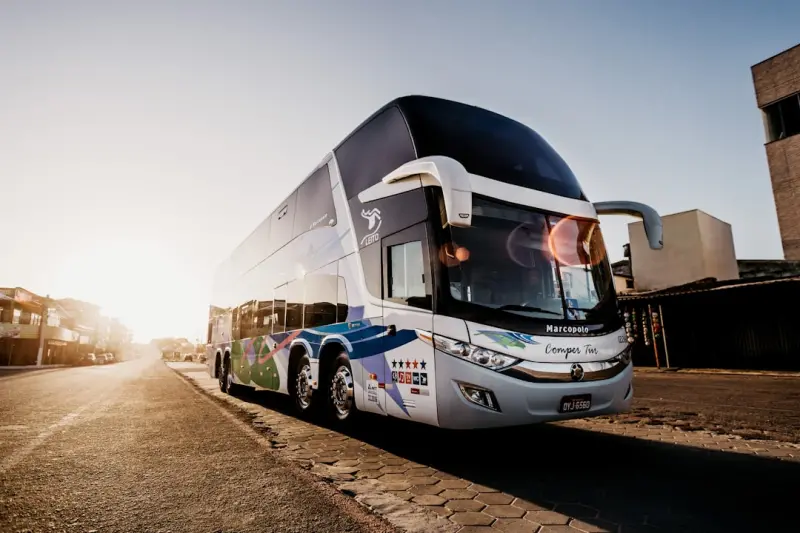
Imagine disembarking in a coastal town known for its centuries‑old frescoes, then hopping onto a vintage‑styled bus that winds through vineyards and hidden hamlets, delivering you to a centuries‑old winery where the owner greets you by name. The magic lies in the logistics: a tight partnership between cruise operators and local tour providers, sharing data in real time to adapt to weather, demand, and even the mood of the day. This partnership also unlocks a level of authenticity that mainstream packages can’t match; the bus driver becomes a storyteller, the cruise chef a regional ambassador, and together they create a narrative that feels less like a program and more like a living story. By focusing on the “pairing” rather than the “package,” you give travelers agency to shape their own journey while still enjoying the comfort and predictability of a well‑organized cruise schedule.
Designing the Experience: From Concept to Execution
The planning stage reads like a design sprint for an adventure‑themed product. First, you identify a niche passion—be it historic lighthouses, artisanal cheese making, or obscure jazz clubs. Next, you map the optimal ports of call, ensuring that each stop offers a logical stepping‑stone to the next, reducing dead‑head miles for the bus fleet. The real challenge is to keep the schedule flexible; a sudden storm should not turn a day‑long vineyard tour into a three‑hour idle wait. This is where data‑driven tools shine, allowing you to overlay weather forecasts, local event calendars, and even the latest micro‑movement trends highlighted in Micro‑Movement Breaks: Boost Energy at Work to keep passengers active and engaged between ports.
Hidden Economies: How Smart Spending Amplifies Value
One of the biggest misconceptions about premium travel experiences is that they must break the bank. In reality, the greatest ROI comes from strategic partnerships with local artisans, farms, and heritage sites that are eager for exposure. By negotiating exclusive access or off‑peak rates, cruise lines can bundle premium experiences without inflating the sticker price. This approach mirrors the principles outlined in Unlock Hidden Savings, where the focus is on stacking value instead of stacking costs. The result is a win‑win: guests enjoy an authentic, high‑impact itinerary, while local economies benefit from a steady stream of visitors who are willing to pay for depth rather than breadth.
Storytelling on Wheels: The Role of the Bus Guide
The bus guide is no longer a mere driver; he or she is the narrative bridge between the maritime world and the inland treasures that await. Training programs now emphasize storytelling techniques, cultural sensitivity, and the ability to read a crowd’s energy level. A well‑tuned guide can pivot a scheduled museum visit into an impromptu street‑performance if the locals are humming a folk song, or can extend a tasting session when a vineyard owner offers a surprise reserve. This fluidity transforms a static itinerary into a living, breathing adventure, where passengers feel like co‑authors of their travel story rather than passive observers.
Technology’s Quiet Hand: Seamless Transitions and Real‑Time Feedback
While the experience feels analog—hand‑crafted meals, rustic roads, historic ports—the backend is powered by cutting‑edge technology. RFID wristbands sync with the ship’s concierge, instantly alerting the bus crew when a guest steps off the gangway, and allowing them to personalize the next leg of the journey. Real‑time feedback loops let passengers rate each segment on a simple emoticon scale, feeding the data back to the operations hub for instant adjustments. This subtle digital layer ensures that the experience remains fluid, responsive, and consistently high‑quality without ever intruding on the immersive feel.
Environmental Responsibility: Low‑Impact Routes and Green Practices
Eco‑conscious travelers are demanding more than carbon‑offset certificates; they want to see tangible green practices woven into the itinerary. By selecting fuel‑efficient electric buses for inland segments and partnering with ports that employ shore‑power technology, operators drastically cut emissions. On‑board waste reduction programs—such as eliminating single‑use plastics and offering reusable containers for shore‑side picnics—extend the sustainability ethos onto the bus. The combined effect is a travel experience that not only delights the senses but also respects the ecosystems that make those experiences possible.
Measuring Success: Beyond Occupancy Rates
The ultimate metric for these hybrid experiences isn’t just the fill‑rate of cabins or seats; it’s the depth of connection a traveler feels after returning home. Post‑trip surveys now ask guests to rate “story retention” and “cultural resonance,” providing a more nuanced picture of success. Social media listening tools also track organic mentions of specific experiences—like a surprise jazz jam in a coastal alleyway—to gauge authentic enthusiasm. When these softer metrics climb, they signal that the itinerary has transcended the transactional and entered the realm of memory‑making, the true mark of a differentiated travel offering.
Looking Ahead: The Next Wave of Niche Travel Fusion
As the market matures, we’ll see even more daring cross‑overs: floating wellness labs that dock for pop‑up science workshops, or themed bus convoys that accompany a cruise’s “art‑on‑the‑water” program, extending the gallery experience into street murals across a region. The key to staying ahead lies in listening to micro‑trends, leveraging local expertise, and maintaining the flexibility to pivot when inspiration strikes—much like a jazz solo that follows the rhythm of the waves. For travelers hungry for depth, the fusion of cruise luxury with boutique bus intimacy promises a horizon where every mile is a story waiting to be told.

Related Posts
The Rise of Seamless Sea‑to‑Road Journeys for the Connected Explorer
Modern travelers are blending ocean cruises and bus tours into a fluid adventure, leveraging technol... Read More

Unlocking the Hidden Benefits of Cruise‑Bus Combo Journeys
Explore the unique advantages of pairing cruises with bus tours, from logistics and loyalty programs... Read More
Why AI‑Powered Personalization Is the Next Frontier for Cruise and Bus Tours
The post examines how artificial intelligence is enabling cruise lines and bus operators to deliver ... Read More
Top Posts
The Ultimate Savings Playbook: Strategies the Average Shopper Overlooks
Unlock a comprehensive savings blueprint that blends cash‑back apps, loyalty hacks, and seasonal clearance tactics, empowering everyday shoppers to maximize e...Read More
From Caps to Cocktails: A Fresh Playbook for Prom and Graduation Success
A comprehensive, 1,000‑word guide walks readers through calm pre‑event routines, budget‑friendly fashion, tech‑savvy keepsakes, and post‑ceremony netw...Read More

The Quiet Tech Revolution: How Canadian Farmers Are Future‑Proofing Their Fields
Canadian farmers are quietly transforming agriculture with soil sensors, drones, and collaborative data platforms, blending modern tech with Indigenous wisdom t...Read More
Uncharted Getaways: Exploring the Hidden Gems of Rural America
Explore the uncharted getaways of rural America, where stunning landscapes, rich history, and warm hospitality await. Discover hidden gems and local charm in th...Read More
0 Comments
Post Comment
You will need to Login or Register to comment on this post!