
Beyond the Screen: The Rise of Pop‑Up Immersive Experiences Across Canada
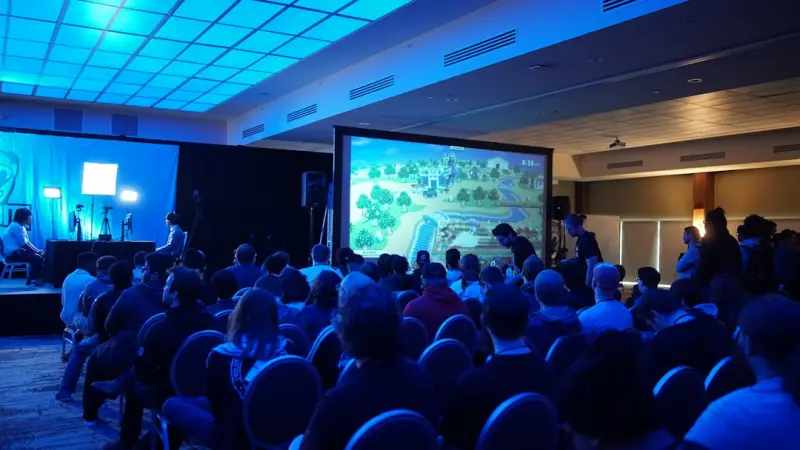
When I first stepped into a converted warehouse in downtown Toronto that had been transformed overnight into a neon‑lit jungle of sound, scent, and interactive art, I realized I was witnessing a cultural shift that is quietly reshaping how Canadians consume entertainment. No longer are we content to sit passively in a dark theatre or scroll through a streaming catalogue for hours on end. We crave physical, multisensory moments that feel exclusive, temporary, and deeply personal. This appetite has given birth to a flourishing ecosystem of pop‑up immersive events—ranging from flash‑mob concerts and wandering mystery dinners to VR‑augmented installations—that are redefining the very idea of “going out” in Canada.
Why Pop‑Up Immersive Events Are Gaining Traction
There are three intertwined forces driving this phenomenon:
- Urban Flexibility – Canadian cities are experiencing a renaissance of under‑utilised spaces: vacant storefronts, repurposed factories, and even seasonal outdoor plazas. Property owners, eager to offset empty‑lot costs, are partnering with creators who can turn a blank canvas into a ticketed experience for a single night or a weekend.
- Technological Democratization – Advances in affordable projection mapping, portable sound systems, and battery‑powered haptic devices mean that a small team can deliver production values that once required a full‑blown theatre budget.
- Social Media Amplification – Instagram, TikTok, and emerging short‑form video platforms reward novelty. A well‑curated pop‑up can generate a cascade of user‑generated content that serves as organic promotion, making the event feel like a must‑see cultural moment before the doors even open.
These three pillars create a virtuous cycle: the more creators experiment, the more audiences anticipate the next surprise, and the more venues and sponsors see the financial upside.
From Concept to Curtain: The Anatomy of a Pop‑Up Immersive Event
While each project is unique, most follow a recognizable workflow that blends artistry with logistics.
1. Story‑First Ideation
Creators begin with a narrative hook—a mystery to solve, a love story to unfold, or a historical moment to reinterpret. This narrative drives every design decision, ensuring that the experience feels cohesive rather than a random assortment of installations.
2. Site Scouting & Adaptive Design
Unlike permanent venues, pop‑ups must adapt to the constraints of the chosen location. Designers often map the space in 3D, then overlay digital layers that can be projected or augmented. For instance, a disused grain silo in Saskatchewan might become a towering cave of echoes where sound travels in unexpected ways.
3. Technology Integration
Key tech components include:
- Projection mapping that turns walls into moving canvases.
- Spatial audio rigs that guide visitors through soundscapes.
- RFID wristbands or QR codes that unlock personalized pathways.
- Portable VR stations that blend the virtual and physical realms.
These tools are deliberately chosen for their mobility and ease of setup, allowing teams to assemble, test, and dismantle in under 48 hours.
4. Ticketing & Community Building
Because the events are limited‑time, scarcity is built into the ticketing model. Many organizers employ tiered pricing: early‑bird tickets grant access to a “secret” pre‑show, while later purchases may only include the core experience. To foster loyalty, some creators launch email newsletters that preview upcoming themes, turning occasional attendees into a dedicated community.
5. Post‑Event Storytelling
Once the lights go down, the narrative doesn’t end. Organizers release behind‑the‑scenes footage, curated playlists, and even digital souvenirs (like AR filters) that keep the conversation alive. This post‑event content is crucial for driving repeat attendance and attracting sponsors for future productions.
Case Studies: Canada’s Most Memorable Pop‑Ups
Below are three standout examples that illustrate the breadth of creativity flourishing across the country.
The Midnight Garden – Vancouver
Set in a historic greenhouse that had been dormant for years, The Midnight Garden invited guests to wander through bioluminescent flora projected onto real vines, while a live electronic duo performed on a floating stage. The event paired environmental advocacy with a sensory feast, prompting conversations about urban greening. Organizers partnered with local NGOs, turning ticket proceeds into seed‑bank donations.
Toronto’s “Neon Noir” Escape – Toronto
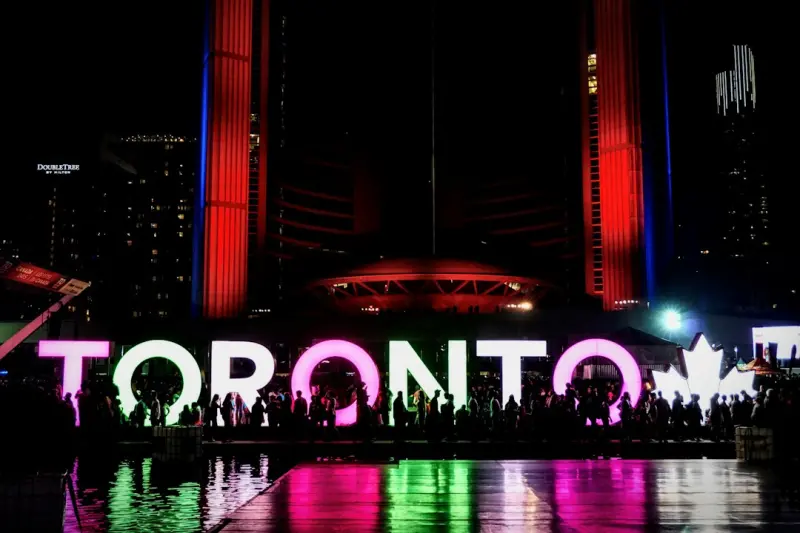
In a former subway station, designers crafted a 1920s detective story using neon signage, hidden speakers, and motion‑triggered props. Participants received a vintage‑style dossier via email and solved clues that led them through dimly lit tunnels. The experience blended live actors with interactive technology, blurring the line between theatre and escape room. It attracted over 5,000 visitors in a single weekend and demonstrated how transportation hubs can double as cultural venues.
Prairie Sky: A VR Aurora Experience – Calgary
Recognizing that many Albertans never see the Northern Lights, a collective of indie developers built a portable VR dome that simulated the aurora borealis. The installation incorporated real‑time solar activity data, creating a dynamic sky that changed every hour. Attendees could “reach out” and feel haptic feedback as the lights swirled. The project secured a grant from a national arts council, illustrating how immersive tech can secure public funding.
Economic Impact: Turning Ephemeral Art into Sustainable Revenue
While pop‑up events are by nature temporary, their economic footprint can be surprisingly durable. A recent study by a Canadian university’s cultural economics department found that each pop‑up generated an average of CAD 75,000 in direct sales—tickets, merchandise, and food—plus an additional CAD 120,000 in indirect spending at nearby restaurants and hotels.
Moreover, these events act as incubators for talent. Emerging designers, sound engineers, and performers gain real‑world experience that can translate into full‑time employment. The community film clubs that have flourished over the past decade serve a similar function, but pop‑ups add a layer of technology‑driven experimentation that is especially appealing to younger creators.
Challenges & How Creators Are Overcoming Them
Despite the excitement, pop‑up immersive events face practical hurdles:
- Regulatory Compliance – Temporary venues must navigate fire codes, accessibility standards, and noise ordinances. Successful teams often hire consultants early in the planning phase to secure permits quickly.
- Technical Reliability – Portable tech can be fickle. Redundancy planning (spare projectors, backup power sources) is now standard practice.
- Audience Fatigue – As the market saturates, novelty can wane. Creators combat this by diversifying themes, incorporating local cultural elements, and collaborating with established brands for co‑creation.
One innovative solution is the emergence of “event platforms”—software suites that handle ticketing, real‑time analytics, and even on‑site crowd management. These platforms reduce overhead and enable creators to focus on the artistic side of the production.
The Role of Sponsorship & Partnerships
Brands are increasingly seeing pop‑up immersive experiences as premium advertising real estate. Unlike traditional ad placements, these events allow sponsors to embed their narratives directly into the guest journey. For example, a local brewery might craft a custom cocktail that appears as a prop in a sci‑fi themed installation, turning product sampling into a story beat.
These partnerships are mutually beneficial: sponsors gain authentic engagement, while creators receive essential funding. The National Digital Identity Initiative has even spurred new verification tools that streamline ticketing security, making it easier for sponsors to trust the data they receive from these micro‑events.
Looking Ahead: The Future Landscape of Canadian Immersive Entertainment
What does the next five years look like for this burgeoning sector?
- Hybrid Physical‑Digital Shows – As high‑speed internet expands into rural areas, creators will blend live performances with live‑streamed components, allowing remote audiences to participate in real time.
- Community‑Owned Spaces – Co‑operatives may purchase and manage underused properties specifically for rotating pop‑up installations, creating a stable ecosystem that benefits local economies.
- Data‑Driven Personalization – Using anonymized visitor data, events will tailor soundscapes and visual cues to individual preferences, enhancing immersion without compromising privacy.
- Cross‑Border Collaborations – Canadian creators are already partnering with U.S. and European collectives, exchanging design philosophies and tech solutions, which will broaden the artistic vocabulary of the scene.
In a world where screens dominate leisure time, the surge of pop‑up immersive events reminds us that physical presence, surprise, and shared wonder still hold unparalleled power. They are not just fleeting spectacles; they are the next chapter in Canada’s rich entertainment tapestry, weaving technology, community, and storytelling into experiences that linger long after the lights dim.

Related Posts

Indigenous Storytelling Redefines Canadian Film and TV
Indigenous filmmakers and series are transforming Canada's screen landscape, blending tradition with... Read More

Immersive Pop‑Ups: Canada’s Fresh Take on Live Entertainment
A deep dive into Canada’s emerging pop‑up immersive scene, highlighting tech integration, sustai... Read More
Beyond the Screen: How Canada’s Cultural Pulse is Remixing Entertainment
A deep dive into Canada’s emerging entertainment trends, highlighting Indigenous storytelling, VR ... Read More
Top Posts

How Community Co‑ops Can Slash Your Monthly Bills
Learn practical ways to reduce everyday expenses through community co‑ops, shared subscriptions, and skill‑barter networks, turning neighbours into allies a...Read More

Insight‑Infused Prom & Graduation Planning: From Stress to Celebration
A modern guide to prom and graduation that blends strategic budgeting, tech tools, and heartfelt moments, helping families create memorable milestones without t...Read More

Mini‑Cruise, Mega‑Bus: Crafting Bite‑Size Sea Escapes
A concise sea journey combined with a themed bus tour offers a flexible, immersive adventure that maximizes time, reduces fatigue, and supports sustainable tour...Read More
From Couch‑Surfing to Community‑Hosted Homestays: A New Travel Paradigm
Homestays are turning travel into a two‑way exchange, where guests gain authentic cultural experiences while hosts diversify income and revitalize communities...Read More
0 Comments
Post Comment
You will need to Login or Register to comment on this post!