

When I first stepped into a dimly lit warehouse on the outskirts of Toronto and heard the faint echo of a synth‑driven bass line mingling with the smell of fresh‑pressed herbs, I realized I was witnessing the next chapter of Canadian entertainment. It wasn’t a concert hall, a theater, or a streaming platform – it was a pop‑up immersive experience that turned the entire space into a living, breathing story.
Why Pop‑Ups Are the New Frontier
For years, Canada’s cultural scene has been anchored by iconic institutions: the National Arts Centre, TIFF, the Stratford Festival. Those venues have done an incredible job of preserving our artistic heritage, but they also come with built‑in expectations and logistical constraints. A pop‑up, on the other hand, is a blank canvas. It can appear in a repurposed factory, a vacant storefront, or even a park pavilion, and disappear just as quickly, leaving behind a ripple of conversation and a few Instagram stories.
What makes the pop‑up model so compelling is its ability to fuse three powerful trends:
- Hyper‑local storytelling: Artists can tailor content to the neighbourhood, incorporating local legends, dialects, and community voices.
- Technology as a co‑creator: From augmented reality (AR) overlays to kinetic soundscapes, tech isn’t just a tool – it’s part of the narrative.
- Sustainability at the core: With an emphasis on reuse, minimal waste, and community partnerships, these events are often greener than traditional productions.
From Street Art to AR: The Tech That Transforms Spaces
Imagine walking down a downtown alley in Vancouver and seeing a mural that, when viewed through your phone, animates into a 3‑minute short film about the city’s First Nations waterways. That’s the magic of AR, and it’s becoming a staple of Canadian pop‑up culture. Companies like Sound of Focus are experimenting with location‑based audio that guides you through a narrative, turning the city itself into a stage.
These audio‑visual hybrids are more than gimmicks. They invite participation. A visitor might be prompted to solve a puzzle projected onto a historic building’s façade, unlocking a hidden playlist that blends Indigenous drumming with electronic beats. The result? A multisensory memory that lingers long after the event has packed up.
Immersive Pop‑Ups and the Rise of Community‑Centric Content
One of the most striking shifts I’ve observed is the move away from celebrity‑driven spectacles toward community‑crafted experiences. In Montreal’s Plateau, a collective of young Indigenous creators launched “Echoes of the Land,” a pop‑up that transformed an old bakery into a living exhibit of oral histories. Guests could sit at reclaimed wooden tables while a holographic storyteller projected ancestral tales onto the ceiling. The event partnered with local food vendors who served dishes inspired by the stories, creating a full‑circle sensory loop.
This model is resonating because it gives power back to the storytellers. Rather than relying on a single marquee name, the narrative is distributed across voices, languages, and mediums. It also aligns perfectly with the growing demand for authentic, inclusive representation in the arts.
Sustainable Pop‑Ups: When Entertainment Meets Zero‑Waste
There’s a growing expectation that entertainment should be responsible, and pop‑ups are uniquely positioned to meet that demand. A recent project in Calgary turned an abandoned warehouse into a “Zero‑Waste Night Market.” Every element – from the décor made from reclaimed pallets to the cocktails mixed from surplus fruit – was designed to minimize waste. The event’s bar even collaborated with a zero‑waste mixology specialist, turning vegetable peelings into aromatic bitters.
Beyond the environmental impact, sustainability adds a layer of narrative intrigue. Audiences love to hear the story behind their drink: “These bitters are made from the skins of oranges that didn’t make it to the supermarket, now transformed into a fragrant note that complements the smoky mezcal.” It’s a conversation starter that deepens engagement.
Economic Benefits: Pop‑Ups as Catalysts for Local Growth
From a business perspective, pop‑ups are low‑risk, high‑reward. They require less capital than permanent venues, can be tested in multiple locations, and generate buzz that often spills over into increased foot traffic for surrounding businesses. In Halifax, a three‑day immersive theater experience in the historic waterfront district boosted nearby coffee shop sales by 27% and prompted a local boutique to extend its hours to accommodate the influx of visitors.
These events also provide opportunities for emerging talent. Young designers, sound engineers, and playwrights can showcase their work without the gatekeeping that often accompanies larger festivals. The result is a vibrant talent pipeline that feeds back into Canada’s broader cultural ecosystem.
Challenges: Navigating Permits, Insurance, and Technology Integration
While the rewards are enticing, pop‑ups aren’t without hurdles. Securing permits for temporary structures can be a maze of municipal regulations, especially when the installation involves large projections or sound systems. Insurance is another layer; organizers must protect against liability for anything from a tripping hazard to a technical malfunction.
Technology integration also poses a learning curve. Artists must balance immersive tech with accessibility—ensuring that those without the latest smartphones can still enjoy the experience. A practical solution is to provide on‑site tablets or QR codes that link to low‑bandwidth versions of the AR content.
Case Study: “Northern Lights” – A Seasonal Pop‑Up That Went Viral
One of the most talked‑about pop‑ups of the past year was “Northern Lights,” a seasonal installation that traveled from Toronto to Edmonton. The concept was simple yet ambitious: recreate the Aurora Borealis inside a repurposed shipping container using a combination of LED panels, projection mapping, and scent diffusers that emitted pine and fresh snow aromas.
Visitors entered the container, lay on biodegradable cushions, and watched the digital lights dance overhead while a curated playlist of ambient Canadian artists played. The experience was marketed through a blend of influencer partnerships and local community outreach, resulting in a waiting list that sold out in hours.
What set “Northern Lights” apart was its partnership with a local Indigenous group that contributed traditional stories about the aurora, narrated in both English and the local language. This collaboration not only added cultural depth but also demonstrated how pop‑ups can serve as platforms for shared heritage.
Future Outlook: Hybrid Experiences and the Role of Data
Looking ahead, the line between physical and digital will blur even further. Data collected from ticket sales, foot traffic, and even biometric feedback (like heart rate during a suspenseful scene) will inform future designs, making each iteration more personalized. Imagine a pop‑up that adjusts its lighting and sound based on the collective mood of the crowd in real time.
Moreover, the rise of hybrid events—where a physical pop‑up is streamed live to remote audiences—opens new revenue streams and expands reach beyond the geographic limits of a single city. Artists can now curate a core experience that resonates locally while offering digital companions for fans worldwide.
Tips for Aspiring Pop‑Up Creators
If you’re inspired to launch your own immersive pop‑up, here are some practical steps:
- Start Small: Test a concept in a modest venue before scaling.
- Partner Early: Collaborate with local artisans, food vendors, and cultural groups to enrich content and share costs.
- Map the Experience: Sketch the visitor journey from entry to exit, noting where technology, storytelling, and physical design intersect.
- Plan for Sustainability: Source reusable materials, minimize single‑use items, and consider carbon offsets.
- Gather Data Responsibly: Use opt‑in surveys or anonymized foot‑traffic analytics to refine future events.
Conclusion: A New Chapter for Canadian Entertainment
Canada has always been a land of storytellers, from the oral traditions of First Nations peoples to the world‑class film festivals that attract global attention. Pop‑up immersive experiences are simply the latest evolution of that storytelling spirit—nimble, inclusive, and technologically infused. They allow creators to experiment, communities to co‑author narratives, and audiences to step inside stories that feel as tangible as the maple leaf on a crisp autumn morning.
As we continue to reimagine how, where, and why we gather for entertainment, I’m excited to see more Canadian cities transform vacant lots into wonderlands, more artists blend heritage with holograms, and more audiences leave these fleeting events with memories that linger longer than any streaming subscription.

Related Posts
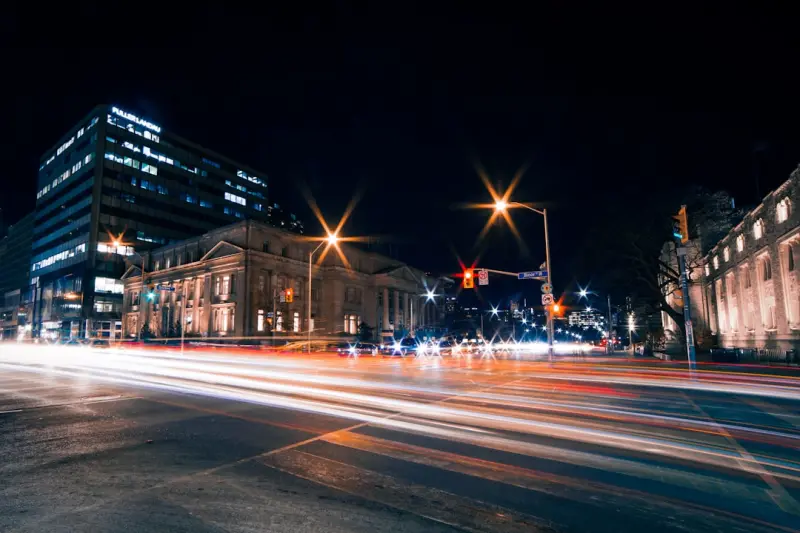
How Indie Game Studios Are Redefining Canadian Entertainment
Discover the surge of Canadian indie game studios, their uniquely Canadian narratives, and why this ... Read More
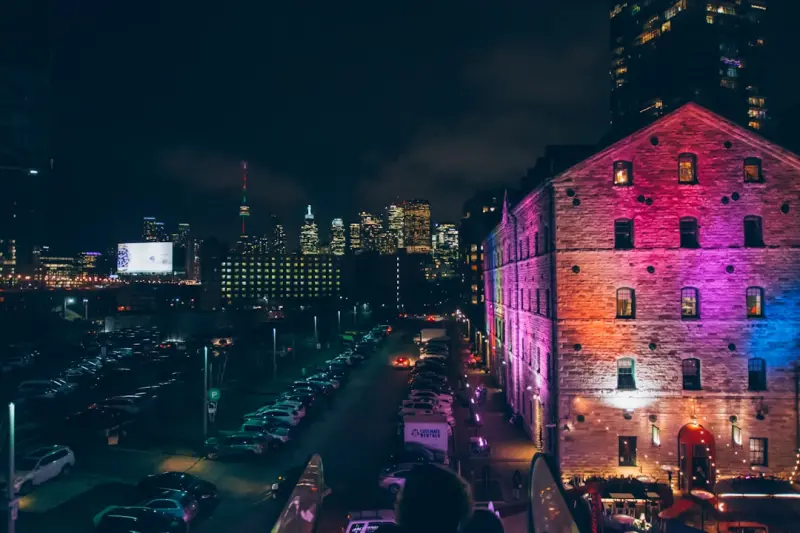
Beyond the Screen: How Canada’s Indie Game Scene Is Redefining Cultural Entertainment
Canada’s indie game boom is turning pixel art into a cultural showcase, merging indigenous legends... Read More

From Small Screens to Big Dreams: The Indie Film Revival Shaping Canadian Entertainment
A deep dive into the indie film renaissance in Canada, highlighting digital democratization, communi... Read More
Top Posts

Parental Warning: The Hidden Dangers of AI Homework Helpers
AI-powered homework helpers promise instant answers, but they can erode critical thinking, hide data collection, and create subscription pitfalls. This guide re...Read More
Why the Future of Dining Is Built Around the Neighborhood Narrative
Restaurants are shifting from generic menus to hyper‑local storytelling, using nearby farms, community events, and real‑time data to craft dishes that refle...Read More

The Community‑First Playbook for Tackling Cost‑of‑Living Pressures
A fresh, community‑focused strategy shows how cooperative buying, AI‑driven budgeting, and transparent workplace practices can empower employees to tackle c...Read More

Cultivating Tomorrow: How Canadian Farmers Are Redefining Resilience
A firsthand look at the innovative ways Canadian farmers are merging tradition, technology, and community to create a sustainable, resilient agricultural future...Read More
0 Comments
Post Comment
You will need to Login or Register to comment on this post!