
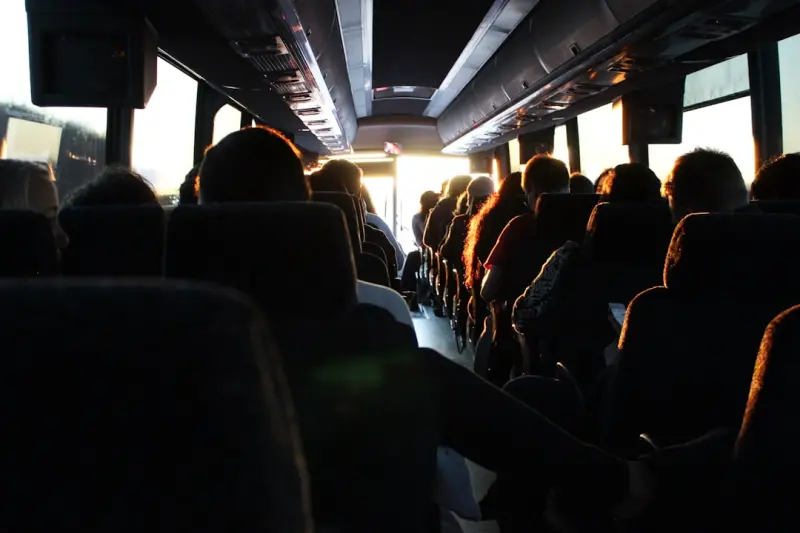
From Port to Pavement: Crafting Immersive, Sustainable Bus Tours for Modern Cruise Guests
When I step off a ship onto the warm tarmac of a bustling port, my mind instantly flips from ocean‑wide horizons to the intricate dance of city streets. As a lifelong traveler who’s spent more time on cruise decks than in most hotel rooms, I’ve learned that the true magic of a voyage often begins the moment you board the first bus. Yet, too many itineraries treat that bus ride as an afterthought – a bland shuttle that shuffles passengers from point A to B with little sense of place, purpose, or sustainability.
In this piece, I’ll walk you through a fresh framework for re‑imagining bus tours that sit alongside cruise experiences. Think of it as a “land‑sea symbiosis” where every mile on the road deepens the story you started at sea, while also honoring the planet, local economies, and the diverse needs of today’s travelers.
The “Journey‑First” Mindset: Why the Bus Ride Matters
Traditional cruise packages often treat shore excursions as a collection of isolated attractions – a quick peek at a historic site, a brief snorkel, a souvenir stop. The bus that gets you there is merely a logistical necessity. I propose flipping that narrative. The bus journey itself can be a curated, narrative‑driven experience that sets the tone, educates, and engages passengers before they even step foot on land.
Imagine a smart, climate‑conscious coach that begins its storytelling the moment the doors close. Audio guides synced with GPS, subtle lighting that mirrors the sunrise over the harbor, and onboard chefs offering local bites that preview the culinary delights ahead. The bus becomes the opening chapter of your travel story, not just the bridge.
Designing for Sustainability: Green Wheels, Green Waters
Eco‑conscious travel is no longer a niche; it’s a baseline expectation for many cruisers. While ship operators have made strides in reducing emissions, the land component often lags behind. Here’s how operators can embed sustainability into every mile of the bus tour:
- Zero‑Emission Fleets: Transition to electric or hydrogen‑powered coaches. Cities with robust charging infrastructure can partner with cruise lines to provide dedicated fast‑charge stations at ports, turning the bus into a showcase of clean tech.
- Carbon‑Offset Partnerships: Offer passengers the option to offset their land‑based carbon footprint directly through the booking platform. Transparency about where the offsets go (reforestation, community solar) builds trust.
- Local Sourcing: Serve snacks and beverages sourced from nearby farms and artisanal producers. This not only reduces the carbon footprint of food transport but also injects revenue into the local economy.
- Route Optimization: Use AI‑driven routing (yes, the same tech behind AI‑driven sensory analytics) to minimize idle time, avoid traffic bottlenecks, and ensure the most efficient path between attractions.
These steps don’t just reduce emissions; they turn the bus ride into an educational platform. Passengers can see real‑time energy consumption dashboards on the seat‑back screens, turning abstract sustainability concepts into tangible data they can relate to.
Personalization at Scale: One Tour, Many Stories
Today’s travelers crave experiences that feel tailor‑made, even when they’re part of a large group. Leveraging the same data‑centric principles that power Conversational Commerce, cruise lines can create dynamic bus tours that adapt to passenger interests on the fly.
Here’s how it works:
- Pre‑Trip Profiling: During the online booking process, guests answer a short, fun questionnaire about their preferences – history, food, adventure, art.
- Real‑Time Feedback Loop: Onboard tablets allow passengers to “like” or “skip” upcoming stops, feeding an algorithm that reshuffles the itinerary for the remainder of the day.
- Micro‑Stops & Flex Passes: Offer “micro‑stop” options – short 15‑minute windows at hidden gems like a local market or a street‑art mural. Flex passes let passengers swap a standard stop for an alternative that better matches their profile.
Personalization isn’t just a gimmick; it respects the diversity of the cruise demographic, from families with curious kids to retirees seeking deep cultural immersion.
Accessibility and Inclusion: Opening the Road to All
One of the biggest gaps in traditional bus tours is the lack of truly inclusive design. While many ports have wheelchair‑friendly shuttles, the experience often stalls once the bus arrives at the destination. An inclusive tour should consider:
- Low‑Floor Coaches: Fully retractable ramps, wide aisles, and secure wheelchair tie‑downs.
- Multilingual Guides: Audio tracks in multiple languages, including sign‑language video on seat‑back screens for the deaf community.
- Sensory‑Friendly Spaces: Adjustable lighting, noise‑cancelling headphones, and “quiet zones” for neurodivergent travelers who may find bustling sites overwhelming.
- Flexible Pacing: Offering longer dwell times at attractions, with optional rest areas on the bus itself, ensuring no one feels rushed.
When these elements are baked into the tour design, the bus becomes a bridge that genuinely connects every passenger to the destination, not a barrier.
Community‑Centric Partnerships: The Win‑Win Model
Instead of viewing local vendors as mere suppliers, cruise operators can cultivate true partnerships that benefit both the travelers and the host city. Here are some ideas that have proven effective in pilot programs:
- Co‑Created Excursions: Work directly with local artisans to design hands‑on workshops – think pottery, traditional dance, or cooking classes – that are exclusive to cruise guests.
- Revenue‑Sharing Agreements: Allocate a percentage of excursion fees back to community projects (e.g., beach clean‑ups, cultural preservation funds). This fosters goodwill and creates a narrative passengers can share proudly.
- Local Guides as Ambassadors: Hire residents who are passionate storytellers, not just “tourists guides.” Their authentic anecdotes turn a generic stop into a living, breathing history lesson.
When passengers see that their money directly supports the community they’re exploring, the experience feels richer, and the destination is more likely to welcome future cruise ships.
Technology Meets Tradition: The Hybrid Experience
There’s a delicate balance between high‑tech enhancements and preserving the authenticity of a place. The key is to let technology serve the story, not dominate it. Some practical implementations include:
- AR‑Enabled Viewports: Windows that, when viewed through a smartphone app, overlay historical photos, trivia, or 3D reconstructions of ancient structures onto the modern landscape.
- Live Polls & Trivia: Engage passengers with interactive quizzes about the upcoming site, with small prizes that encourage observation and curiosity.
- Seamless Ticketing: QR codes that grant instant entry to museums or landmarks, reducing queue times and allowing more time for genuine exploration.
These tools amplify the educational value without detracting from the sensory richness of being on location.
Measuring Success: Beyond the Satisfaction Survey
Traditional post‑trip surveys ask passengers to rate “overall experience.” For a truly integrated bus‑tour strategy, you need deeper metrics:
- Engagement Score: Track interaction with onboard content (audio plays, AR activations, poll participation).
- Carbon Footprint Reduction: Quantify emissions saved through electric fleets and offset programs, reporting the figures back to guests.
- Economic Impact Index: Estimate revenue generated for local partners, creating a transparent impact report.
- Inclusivity Index: Collect feedback from passengers with accessibility needs to continuously refine services.
Publishing these metrics not only builds credibility but also positions the cruise line as a leader in responsible tourism.
Putting It All Together: A Sample Dayline
To illustrate how these concepts intertwine, here’s a hypothetical day for a mid‑size cruise ship docking at a historic Mediterranean port:
- 08:00 – Board the Green Coach: Passengers step onto a silent electric bus. The interior lighting mimics the sunrise over the sea, while a subtle scent of citrus greets them.
- 08:15 – Interactive Intro: A local historian’s voice guides the group through a brief audio story, punctuated by AR markers that show the ancient walls that once stood where the modern promenade lies.
- 09:00 – Sustainable Market Stop: Guests disembark at a farmer’s market. They sample heirloom tomatoes grown in nearby organic farms, with QR codes linking to each farmer’s story.
- 10:30 – Hands‑On Workshop: A 45‑minute pottery class led by a master artisan, fully accessible with adaptive tools for participants with limited hand mobility.
- 12:00 – Lunch on the Move: The bus routes to a seaside terrace where a pop‑up kitchen serves a menu of locally sourced seafood, accompanied by a short talk on marine conservation.
- 13:30 – Cultural Immersion: A street‑performance troupe showcases traditional music, with subtitles and sign‑language overlay on the bus screens for all guests.
- 15:00 – Free Exploration: Passengers receive a digital “explorer badge” they can collect at optional micro‑stops, encouraging self‑directed discovery.
- 16:30 – Return to Ship: The bus glides back to the port, displaying a real‑time carbon‑savings summary and a thank‑you note from the community partners.
This itinerary demonstrates how every element – from vehicle choice to interactive content – can be woven into a cohesive, purpose‑driven narrative.
Final Thoughts: The Future Is Land‑Sea Harmony
As cruise travelers become more discerning, the line between sea‑bound luxury and land‑based authenticity will blur. The bus tour is the perfect canvas for cruise lines to paint a story that honors the environment, uplifts local communities, and delivers a deeply personal adventure for each passenger.
By reimagining the humble coach as a sustainable, inclusive, and technologically enriched stage, we unlock a new chapter in cruise tourism—one where the journey truly begins the moment you step off the ship.

Related Posts
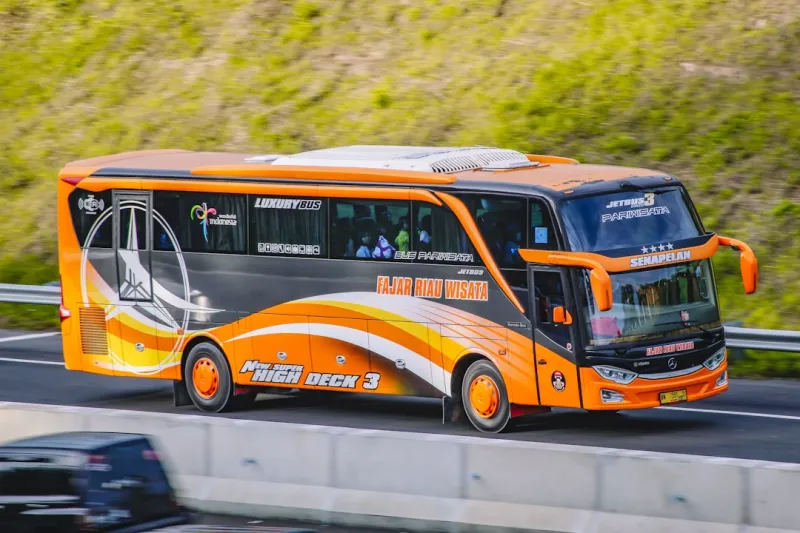
Embracing the Slow Pace: How Bus Tours Can Revitalize Your Family Vacation
Bus tours offer a unique and rejuvenating way to explore new destinations and reconnect with your lo... Read More
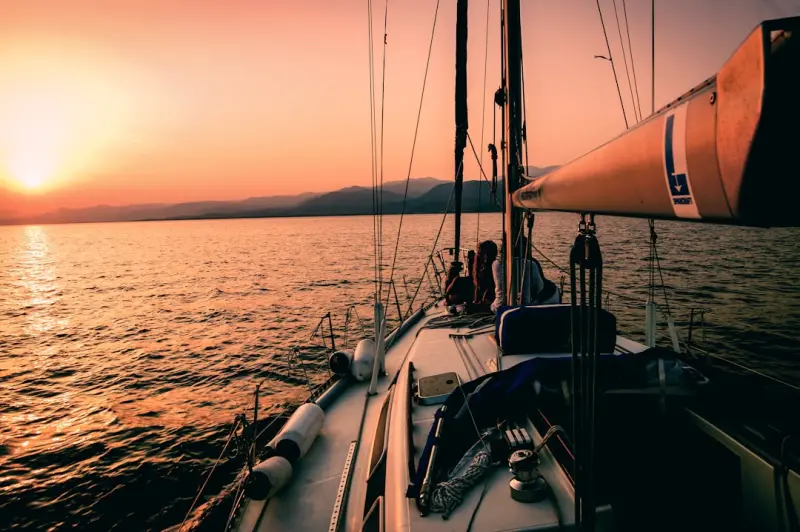
Sailing the Work-Life Spectrum: Why Professionals Are Choosing Cruise‑Based Remote Offices
Remote work meets ocean adventure as cruises transform into floating co‑working spaces, offering h... Read More

Powering the Future: Clean Energy’s Impact on Cruises and Bus Tours
A deep dive into the shift toward battery‑electric buses, hydrogen‑fuelled cruise vessels, and a... Read More
Top Posts
Why Zero-Party Data Is the Future of B2B Marketing
Mark Daniels explains why zero‑party data—information customers willingly share—is reshaping B2B marketing, delivering hyper‑personalized experiences, s...Read More

Fermentation Frontiers: Unlocking Gut Health for High‑Performance Professionals
A deep dive into the science of fermentation, its impact on gut health, and actionable ways busy professionals can integrate probiotic‑rich foods into their d...Read More

Why Drive‑In Theaters Are Becoming Canada’s Summer Entertainment Lifeline
Across the nation, drive‑in theaters are transforming from nostalgic relics into vibrant community hubs, offering tech‑enhanced screenings, local content, a...Read More

Parental Warning: When AI Chatbots Become Your Child’s Playdate
AI chatbots promise endless fun for kids, but they also collect data, foster emotional dependency, and create echo chambers. Discover the hidden dangers and act...Read More
0 Comments
Post Comment
You will need to Login or Register to comment on this post!