
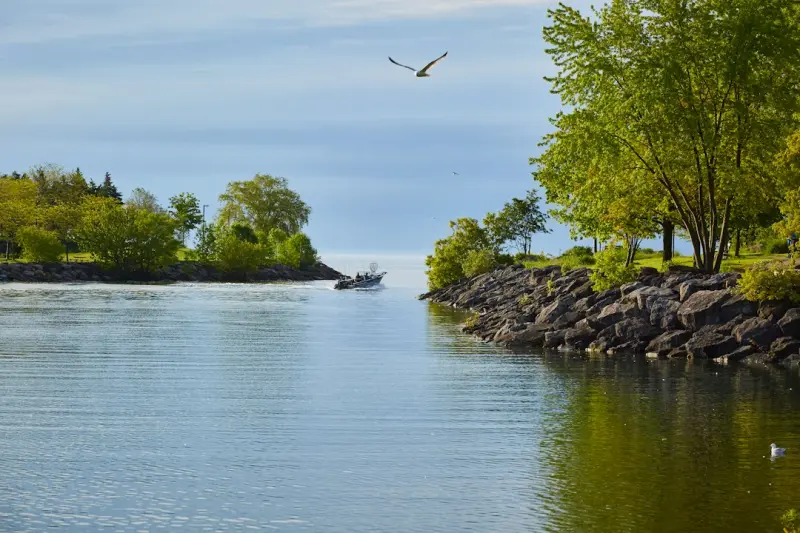
Ontario’s lakes and rivers have always been a refuge for anyone who’s ever chased the flash of a trout or the tug of a bass. Yet the conversation around fishing is evolving faster than the current on the Grand River. As an angler who’s spent more time on a dock than in a boardroom, I’ve watched a quiet revolution unfold: a blend of technology, community sharing, and centuries‑old Indigenous stewardship that’s reshaping how we fish, protect, and profit from our waterways.
Eco‑Gear is No Longer a Niche
When I first tried a biodegradable lure back in the early days of my hobby, I thought it was a gimmick. Today, the market is flooded with eco‑friendly rods, lead‑free weights, and recycled‑fabric waders. What’s driving this surge?
- Consumer demand. Anglers are increasingly aware that the very water they love can be polluted by the gear they use. A quick glance at any major outdoor retailer shows entire sections dedicated to “green fishing.”
- Regulatory pressure. Provincial policy shifts have begun to ban or limit hazardous materials in fishing tackle. The move mirrors broader environmental legislation and forces manufacturers to innovate.
- Performance gains. Modern composites and bio‑based polymers actually improve casting distance and durability, debunking the myth that green means “less effective.”
One product that exemplifies this trend is the Algae‑Infused Line, which incorporates a tiny amount of algae extract that naturally degrades after a few months in water, leaving no toxic residue. For the tech‑savvy angler, pairing such lines with smart reels that track line wear via Bluetooth adds a data layer to sustainability.
Citizen Science: Turning Anglers Into Data Collectors
What if every cast could contribute to a province‑wide fish‑population map? In the last few years, Ontario’s fishery managers have rolled out mobile apps that let anglers log catches, water temperature, and even moon phase. The data feeds directly into the Ontario Fish Atlas, a publicly accessible dashboard used by researchers and policymakers alike.
Here’s how the system works:
- Snap a photo. The app uses AI to suggest species identification, reducing misreporting.
- Enter key metrics. Weight, length, location (via GPS), and bait used are captured with a few taps.
- Sync automatically. All entries upload to a cloud server, anonymized but geotagged for trend analysis.
The impact is already measurable. In the last season, the Atlas flagged an unexpected surge in smallmouth bass in the Thames River, prompting early intervention that prevented a potential over‑population crisis. For anglers, the feedback loop feels rewarding: we fish, we contribute, and we see the results in healthier habitats.
Reviving Indigenous Knowledge
Ontario’s waterways have been fished for millennia by First Nations peoples, who developed sophisticated methods for reading water, understanding fish migration, and honoring the ecosystem. Today, a growing number of Indigenous-led initiatives are opening their doors to non‑Indigenous anglers, sharing practices that have kept the fish thriving long before modern regulations.
One standout program is the River Guardians Fellowship run by the Anishinaabe community along the Nipissing River. Participants learn:
- How to read subtle water cues—like the rise of a certain algae bloom—to predict spawning runs.
- Traditional net‑setting techniques that minimize by‑catch.
- The cultural significance of “catch and release” as a form of respect, not just a sport.
Integrating this knowledge with modern data collection creates a hybrid model that’s more resilient than either approach alone. It also builds bridges between communities, fostering a shared stewardship ethic that benefits everyone on the water.
Community Tool Libraries: Sharing the Load
High‑quality fishing gear can be prohibitively expensive, especially for newcomers or families on a tight budget. That’s where neighborhood tool libraries step in. While originally conceived for power tools and gardening equipment, many municipalities have expanded their inventories to include rods, reels, and even portable fish finders.
In my hometown of Peterborough, the Riverfront Community Hub now offers a “Gear‑Swap” night every month. Anglers can borrow a premium fly rod for a weekend, test it out, and decide whether to invest in their own. The library also hosts workshops on gear maintenance, reducing the need for costly repairs and extending the lifespan of equipment.
The ripple effects are surprising:
- Economic. Local tackle shops see increased foot traffic as borrowers often purchase accessories after trying out gear.
- Environmental. Fewer discarded rods mean less plastic waste ending up in landfills or, worse, in the water.
- Social. Shared spaces become hubs for mentorship, where seasoned anglers teach novices the art of knot‑tying and fish behavior.
This model proves that community‑driven sharing isn’t just a hipster trend; it’s a practical solution for sustainable recreation.
Fishing Tourism: A Quiet Economic Engine
Ontario’s reputation as a “fly‑fishing paradise” draws tourists from across North America. Yet many of these visitors stick to well‑trodden spots, leaving smaller lakes and tributaries under‑utilized. By promoting lesser‑known waterways, we can distribute economic benefits more evenly.
Consider the case of the Algonquin Loop, a curated series of ten hidden streams that offer prime steelhead runs. Local outfitters have partnered with nearby B&Bs and Indigenous cultural centers to create week‑long packages that include guided trips, culinary experiences featuring locally sourced fish, and workshops on traditional fishing practices.
These packages achieve three goals:
- Revenue diversification. Small towns see a boost in occupancy rates and restaurant sales during the off‑season.
- Conservation funding. A portion of each package fee goes directly to habitat restoration projects, such as riverbank planting and invasive species removal.
- Education. Tourists leave with a deeper appreciation for Ontario’s aquatic ecosystems, becoming ambassadors for responsible angling back home.
The success of the Algonquin Loop demonstrates how a well‑crafted tourism strategy can turn fishing from a niche pastime into a catalyst for regional development.
Technology Meets Tradition: Smart Tackle
Beyond apps, the next frontier is integrating IoT devices into everyday tackle. Imagine a lure that emits a low‑frequency vibration only detectable by the fish’s lateral line, or a reel that logs the exact moment of a strike and transmits that data to your phone.
Several startups in Toronto are already prototyping these concepts. One notable product is the EchoCast Reel, which uses acoustic sensors to differentiate between a fish bite and a snag, reducing frustration for anglers and minimizing line breakage. Data from the reel syncs with the citizen‑science app mentioned earlier, enriching the province’s fish‑behavior models.
Critics argue that over‑technologizing the sport could erode its meditative nature. I counter that technology, when used responsibly, enhances our connection to the water by providing feedback we’d otherwise miss. The key is to keep the focus on the experience, not the gadget.
Policy Landscape: What’s Changing?
Provincial policy shifts are a driving force behind many of these innovations. Recent amendments to the Ontario Fisheries Act have introduced:
- Mandatory reporting of catch data for all licensed anglers.
- Incentives for manufacturers that produce lead‑free tackle.
- Funding grants for community tool libraries and Indigenous partnership programs.
These changes stem from a broader recognition that sustainable fishing is not just an environmental issue—it’s a social and economic one. By aligning regulations with the grassroots movements described above, the province creates a supportive ecosystem for both seasoned anglers and newcomers.
Future Outlook: Casting Toward a Balanced Horizon
Looking ahead, the convergence of eco‑gear, data sharing, Indigenous wisdom, and community collaboration paints an optimistic picture for Ontario fishing. Challenges remain—climate change, invasive species, and funding constraints—but the tools and mindsets are evolving faster than the problems.
My hope is that each of us—whether we’re standing knee‑deep in a quiet creek or scrolling through a catch‑log on a smartphone—recognizes our role in this larger narrative. By choosing sustainable tackle, logging our catches, learning from those who have fished these waters for generations, and sharing resources through tool libraries, we become stewards rather than just participants.
Ontario’s lakes are resilient, but they need us to be proactive custodians. The next time you cast your line, think of it not just as a personal pursuit, but as a thread in a larger tapestry woven by anglers, scientists, Indigenous leaders, and policymakers alike. Together, we can ensure that the ripple of our actions extends far beyond the surface, nurturing the water for decades to come.

Related Posts
Ontario Night Fishing: Hooking Success After Dusk
Explore the growing trend of night fishing across Ontario with practical gear advice, proven techniq... Read More
Fall Pike Pursuit: Ontario’s Seasonal Tactics for Trophy Catches
Explore Ontario’s fall pike fishing with expert lure choices, secret spots, timing tricks, and eco... Read More

Chasing the Twilight Trophies: Night‑time Bass Secrets in Ontario’s Lesser‑Known Waters
Explore the unique ecosystem of Ontario’s night waters, learn how to locate hidden hot spots, choo... Read More
Top Posts

Celebrating Without Stress: A Fresh Take on Prom & Graduation Night
Learn how to navigate prom and graduation with calm confidence using planning shortcuts, supportive peer groups, and mindful rituals for a stress‑free celebra...Read More

Sailing and Road‑Trip Fusion: How to Blend Cruise Luxury with Bus Tour Adventure
Explore a fresh travel formula that merges cruise luxury with curated bus tours, delivering deeper cultural immersion, greener itineraries, and smarter budgetin...Read More

When Provinces Take the Lead: The New Power Balance Shaping Canadian Federal Politics
A deep dive into the growing influence of Canada’s provinces, examining new intergovernmental dynamics, policy battles, and the ripple effects on the national...Read More

Canada’s Health Horizon: How Digital Frontiers Are Redefining Care in Remote Communities
A deep dive into how tele‑presence, AI, and community‑driven data initiatives are transforming healthcare delivery in Canada’s remote and Indigenous commu...Read More
0 Comments
Post Comment
You will need to Login or Register to comment on this post!