
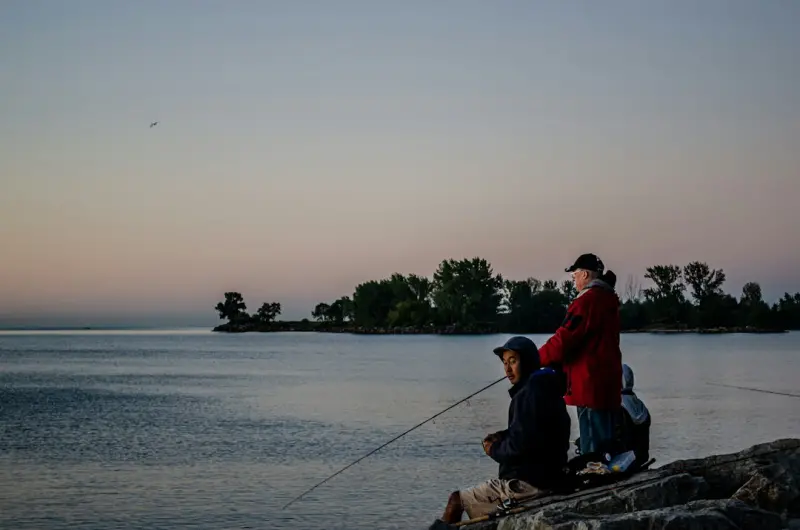
When the sun dips below the horizon and the world quiets down, a different kind of energy awakens on Ontario’s countless lakes and rivers. The night‑time surface shimmers with fireflies, crickets sing, and the water tells a new story—one that only the most patient and adventurous anglers can hear. In recent months, I’ve noticed a surge of interest in night fishing across the province, and I’m thrilled to share what I’ve learned, from gear tweaks to safety protocols, so you can make the most of those twilight hours.
Why Night Fishing Is Gaining Momentum
Ontario’s fishing community has always been adaptable, but a few factors have converged to push night fishing into the spotlight:
- Cooler temperatures—Summer days can become sweltering, making early‑morning or evening outings far more comfortable.
- Feeding patterns—Many species, including walleye, northern pike, and smallmouth bass, become more aggressive after dark, hunting for insects and smaller fish that surface at night.
- Less crowding—Early mornings and evenings are often packed with anglers. After dusk, the water feels like a private playground.
- Technology at hand—Modern low‑light lenses, portable LED lights, and sonar devices have made night angling far more accessible than it once was.
All of these reasons combine to create a perfect storm for those who want to escape the daytime bustle and experience a quieter, more intimate connection with Ontario’s waterways.
Getting the Right Gear for After‑Dark Success
Night fishing isn’t just about staying out later; it demands a thoughtful approach to equipment. Here’s my go‑to checklist:
- Lighting—A headlamp with a red light setting is essential. Red light preserves night vision, allowing you to see your tackle without startling fish. Pair it with a small, submersible LED lantern for the boat or bank.
- Polarized night‑vision lenses—While traditional polarized sunglasses are a daytime staple, specialized night‑vision lenses help cut glare from moonlight and reduce eye strain.
- Quiet, low‑profile rods—Choose rods with a softer tip and a fast action that can detect subtle bites in low‑light conditions.
- Glow‑in‑the‑dark baits—Brands now offer baits infused with phosphorescent pigments that emit a gentle glow, making them visible to predators without spooking them.
- Electronic fish finders—A compact sonar unit with a night‑mode display can pinpoint schools without needing bright illumination.
If you’re wondering where to start, I recently read an insightful piece on how data is transforming Ontario fishing. While the article focuses on tech trends, its discussion of sonar advancements gave me a solid foundation for selecting a night‑compatible fish finder.
Choosing the Ideal Spots
Ontario boasts an endless variety of night‑friendly locations, but a few characteristics make certain spots stand out:
- Structure and cover—Sunken trees, rock piles, and weed beds provide ambush points for predatory fish after dark.
- Depth transitions—Areas where the water depth changes rapidly often concentrate fish that move between the surface and bottom.
- Moon phase—A full or near‑full moon can boost visibility for both anglers and fish, while a new moon creates a more stealthy environment.
One of my favorite hidden gems is the northern inlet of Lake Simcoe, where the interplay of shallow bays and deep channels creates a dynamic night‑time feeding ground. For a broader look at Ontario’s lesser‑known fishing spots, take a moment to explore Rediscovering Ontario’s Hidden Fishing Sanctuaries. Even though my focus here is on night fishing, the sanctuary guide offers excellent insight into structural features you’ll want to chase after sundown.
Techniques That Shine After Dark
Below are the three proven tactics that consistently yield bites when the stars come out:
1. Slow‑Roll Jigging
At night, fish are less likely to chase fast‑moving prey. A slow, rhythmic jig—allowing the lure to tumble gently—mimics a wounded minnow and triggers predatory instincts. Use a soft‑plastic jig tipped with a phosphorescent trailer for added allure.
2. Light‑Attracting Spoon Casting
Spoons with reflective surfaces catch whatever ambient light is available, creating a flash that can draw curious fish toward the lure. Cast near a moonlit surface or near your lantern’s edge for a subtle sparkle that’s hard for fish to ignore.
3. Bottom‑Bouncing Crankbaits
Many night‑time predators hover close to the bottom, waiting for a chance to ambush. A crankbait that bounces off the substrate creates vibrations detectable even in low‑visibility water. Pair it with a low‑intensity LED on a small float to add a gentle glow without spooking the target.
Safety First: Navigating the Dark Waters
Night fishing is exhilarating, but it also introduces unique hazards. Keep these safety practices at the forefront of every outing:
- Tell someone your plan—Even if you’re fishing from shore, let a friend or family member know where you’ll be and when you expect to return.
- Wear a personal flotation device (PFD)—A bright, reflective PFD improves visibility for others and keeps you buoyant if you fall in.
- Check weather forecasts—Night storms can develop quickly, especially around the Great Lakes. A portable weather radio can give you real‑time alerts.
- Bring a fully charged phone and backup power bank—Signal can be spotty, but a charged device can be a lifeline.
- Use a whistle or signal light—If you’re on a boat, a loud whistle and a flashing strobe can alert nearby vessels of your presence.
Ethical Considerations: Catch‑and‑Release Best Practices
Night fishing often targets prized trophy species, which makes responsible handling even more critical. Follow these guidelines to minimize stress on the fish:
- Keep the fish in the water as much as possible. Use a rubberized landing net that reduces skin damage.
- Limit handling time—ideally under 30 seconds.
- Support the fish horizontally, avoiding pressure on the gills or eyes.
- If you must remove the hook, use needle‑nose pliers and avoid pulling the line.
- Revive the fish by gently moving it back and forth in the water until it swims away on its own.
Building Community Around Night Angling
One of the most rewarding aspects of night fishing is the sense of camaraderie it fosters. Many local tackle shops now host “Moonlight Meet‑Ups,” informal gatherings where anglers share tips over a campfire. These events are perfect for newcomers to learn the ropes and for seasoned veterans to swap stories about their biggest night‑time hauls.
Additionally, several Ontario conservation groups organize nocturnal clean‑up drives along popular fishing corridors. Participating not only keeps our waters pristine but also connects you with like‑minded stewards of the environment.
Seasonal Adjustments: When to Cast the Line
Ontario’s climate varies dramatically from the south to the north, influencing the optimal timing for night fishing:
- Late Spring (May–June)—Warmer evenings encourage bass and pike to become more active after sunset.
- Summer (July–August)—The heat can drive fish deeper during the day, but they return to shallower zones at night to feed.
- Early Fall (September–October)—Cooler air and water temperatures create perfect conditions for walleye, which are known to chase bait aggressively under moonlight.
- Winter (November–April)—Ice‑fishing at night is a whole different adventure, requiring insulated shelters and additional safety gear. If you’re daring enough, the stillness of a frozen lake under a starlit sky is unforgettable.
Putting It All Together: A Sample Night‑Fishing Itinerary
Below is a simple, step‑by‑step plan to help you launch a successful night‑time fishing trip on a typical summer weekend:
- Pre‑Trip Preparation (4:00 PM)—Check the weather, pack your gear, and charge all electronic devices. Load your headlamp, LED lantern, and backup batteries.
- Arrival (5:30 PM)—Set up a small campfire or portable stove for a quick warm drink. This not only keeps you comfortable but also helps attract insects that fish love.
- Scout the Water (6:30 PM)—Using a handheld sonar, identify depth changes and structures. Mark these spots on a simple map.
- First Cast (7:00 PM)—Deploy a glow‑in‑the‑dark jig near a rocky outcrop. Use a slow retrieve and pause periodically.
- Mid‑Night Adjustments (9:00 PM)—If bites are slow, switch to a light‑attracting spoon near the surface. Observe any changes in fish activity as the moon rises.
- Wrap‑Up (11:00 PM)—Return any fish you’ve caught using proper catch‑and‑release techniques. Pack away all trash, ensuring you leave no trace.
- Departure (11:30 PM)—Head home safely, keeping your headlights on and staying alert for wildlife crossing the shoreline.
Final Thoughts: Embrace the Dark, Respect the Waters
Night fishing in Ontario offers a magical blend of challenge, serenity, and community. By investing in the right gear, mastering a few proven techniques, and prioritizing safety and ethical practices, you’ll not only boost your chances of landing that elusive trophy but also deepen your appreciation for the province’s diverse aquatic ecosystems.
So the next time the sun sets and the sky turns indigo, consider stepping out of the daylight crowd and into the quiet world of nocturnal angling. The water is waiting, the fish are listening, and the night holds stories you’ve yet to tell.

Related Posts

Casting Data: How Ontario Anglers Are Mapping Fish Populations in Real Time
Ontario’s fishing community is harnessing real‑time data to map fish populations, detect invasiv... Read More

Beyond the Popular Piers: Discover Ontario’s Hidden Fishing Havens
A guide to Ontario’s off‑the‑radar fishing locations, offering tips, gear recommendations, and... Read More
Beyond the Bite: Crafting a Sustainable Fishing Journey in Ontario
A deep dive into sustainable Ontario fishing, exploring catch‑and‑release ethics, Indigenous wis... Read More
Top Posts

The Hidden Power of Personalized Moments: Redefining Prom and Graduation Experiences
A fresh look at how schools and families are using technology, inclusive design, and strategic budgeting to transform prom and graduation into deeply personal, ...Read More

Long-Term PPI Use Linked to Higher Dementia Risk: A Crucial New Study
A major study has found that people taking acid reflux drugs known as proton pump inhibitors (PPIs) for more than 4.4 years face a 33% higher risk of developing...Read More
Reeling in the Future: How Ontario Anglers Are Adapting to Changing Waters
Ontario anglers are navigating evolving fish patterns, cutting‑edge gear, and community rituals, offering fresh insights for anyone looking to master the prov...Read More

Urban Foraging: Bringing Wild Greens to Your City Kitchen
Explore the thriving world of urban foraging, learn safety tips, and turn city‑found greens into flavorful, nutritious meals....Read More
0 Comments
Post Comment
You will need to Login or Register to comment on this post!