
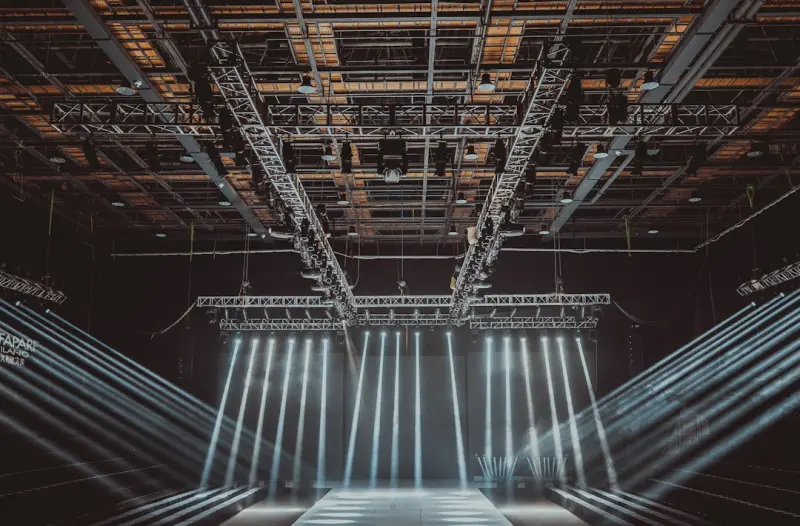
Why Sound Is the Next Frontier for Canadian Entertainment
When I first walked into a downtown Toronto venue that promised a “3‑D sound journey,” I expected the usual laser show and a DJ who knew how to drop a bass. What I got instead was an invisible wave that wrapped around my chest, tugged at my memory, and made the city’s skyline feel like a living instrument. It was a reminder that, in Canada, entertainment is no longer just about what you see—it’s increasingly about what you hear.
From Vinyl to Spatial Audio: A Brief History
Canada has always been a land of sonic experiments. From the folk‑rock harmonies of the 70s that echoed through the Rockies to the indie synth‑pop that defined Toronto’s loft parties, our country has a knack for turning the ordinary into something unforgettable. Yet, the evolution from mono‑track radio to full‑blown spatial audio has been a quiet revolution, one that’s finally surfacing in clubs, theatres, and even virtual festivals.
While the wearable health tech movement has taught us how to measure a listener’s heartbeat, immersive audio is teaching us how to shape that heartbeat.
What Exactly Is “Immersive Audio”?
At its core, immersive audio is a suite of technologies that place listeners in a three‑dimensional sound field. Think of it as the auditory equivalent of a 360‑degree video:
- Object‑based mixing: Each sound is treated as an independent element that can be positioned anywhere in space.
- Height channels: Sounds can be placed above or below the listener, creating the sensation of rain falling or an aircraft soaring overhead.
- Binaural rendering: When experienced through headphones, the brain receives cues that mimic how our ears naturally locate sounds.
These capabilities are no longer confined to high‑budget Hollywood productions. Affordable plugins and plug‑and‑play speaker arrays mean that a mid‑size venue in Halifax can now deliver an experience that would have required a Hollywood soundstage just a few years ago.
The Canadian Landscape: Where Immersive Audio Is Taking Root
Canada’s vast geography has always fostered regional flavors. Today, those flavors are being mixed with cutting‑edge sound design in surprising places:
1. Indigenous Storytelling Revitalized
First Nations artists are using immersive audio to breathe new life into oral traditions. By recording drums, chants, and the natural soundscape of their territories, they can create a sonic tapestry that transports listeners onto the very land the stories describe. In a recent collaboration, a Cree drumming circle partnered with a Toronto tech incubator to produce a 12‑track spatial album that can be experienced in VR or through a specially calibrated home speaker system.
2. Live‑Music Venues Embracing the “Sound Lab” Model
Small clubs in Montreal and Vancouver have begun redesigning their interiors to become “sound labs.” Rather than focusing solely on lighting rigs, these venues install overhead speaker arrays and acoustic panels that enable musicians to experiment with real‑time spatial mixing. Patrons can choose a “seat” in the room via an app, which then subtly shifts the mix to give them a personalized auditory perspective.
3. Virtual Festivals that Span the Country
When the pandemic forced festivals online, Canadian organizers saw an opportunity to go beyond a simple livestream. By leveraging spatial audio platforms, events like “Maple Wave” now let attendees “wander” through virtual stages set in the Canadian wilderness. A user can click on a virtual pine tree, and the music’s reverberation will shift to mimic a forest clearing, complete with distant loons and wind rustling through leaves.
4. The Rise of “Audio‑First” Theatre
Traditional theatre in Canada has always been dialogue‑driven, but a new wave of productions is putting sound at the narrative’s core. In Calgary’s “Echoes of the Prairies” show, the story unfolds through a blend of spoken word, field recordings, and interactive sound cues that respond to audience movement. The result is a performance where the audience’s own footsteps become part of the score.
How Immersive Audio Is Changing the Business Model
Beyond the artistic benefits, immersive audio is reshaping the economics of entertainment:
Premium Ticketing
Just as 3‑D movies command higher prices, venues now offer “spatial sound seats” that guarantee the optimal audio experience. These seats often come bundled with exclusive pre‑show soundscapes or post‑concert immersive recordings that fans can take home.
Licensing New Sound Formats
Music publishers are beginning to negotiate separate licensing fees for object‑based mixes. An indie band’s track might be sold in both a traditional stereo version and an “immersive” version, each with its own royalty structure.
Data‑Driven Sound Design
Thanks to the digital engagement frameworks that Canadian municipalities are piloting, venues can collect anonymized acoustic preference data (e.g., which frequency ranges audience members linger on). This data informs future sound design, creating a feedback loop that continually refines the listening experience.
Challenges on the Road Ahead
While the potential is exhilarating, the path is not without obstacles:
- Technical expertise gap: Many sound engineers are still trained primarily in stereo mixing. Upskilling requires time and investment.
- Equipment costs: Though prices have dropped, a full spatial array can still be a significant capital expense for smaller venues.
- Standardization: Multiple competing spatial audio formats (Dolby Atmos, DTS:X, Auro‑3D) mean that content creators must decide which to support, potentially fragmenting audiences.
What Artists and Venues Can Do Right Now
Here’s a quick starter kit for anyone looking to dip their toes into immersive audio:
- Start Small: Experiment with binaural recordings using a simple in‑ear microphone. Upload the results to platforms like Spotify, which now support “spatial audio” tracks.
- Partner with Tech Hubs: Universities in Ottawa and Quebec City have audio labs that welcome collaborations. They often provide access to hardware in exchange for research data.
- Educate Your Audience: Offer a short “audio immersion 101” session before shows to explain how to get the most out of the experience.
- Leverage Grants: Canada’s cultural funding bodies have started to earmark funds specifically for innovative sound projects. Keep an eye on Canada Council for the Arts calls.
Looking Forward: A Sound‑Centric Canada
Imagine a future where a teenager in St. John’s can attend a virtual concert in Vancouver, hear the crowd’s roar from the west coast, and feel the echo of the Pacific waves through a spatial audio mix—all from her bedroom. Picture a First Nations community using immersive sound to preserve language, where every child can walk through a digital forest and hear the stories of their ancestors in the very air they breathe.
That future is already humming at the edges of our current scene. The technology is ready, the talent is eager, and the audiences are craving deeper, more personal connections. If we continue to invest in the sound‑first mindset, Canadian entertainment will not just keep pace with global trends—it will set them.

Related Posts

Streaming the North: How Canada’s Web Series Boom is Redefining Global Entertainment
A deep dive into Canada’s burgeoning web series scene reveals how broadband, ambient tech, and com... Read More

Beyond the Screen: Canada’s New Wave of Immersive Entertainment
Canada’s entertainment scene is undergoing a transformation, with pop‑up immersive experiences, ... Read More

Canada’s Comedy Podcast Boom: From Regional Jokes to National Laughter
Discover the rise of Canadian comedy podcasts, where local humor meets national reach, creating a fr... Read More
Top Posts

Why Convenience Is Quietly Eroding Your Wallet
Explore the unseen expenses behind everyday conveniences like subscriptions, remote‑work energy use, and micro‑living, with actionable tips to cut costs and...Read More

Turning Customer Success into a Scalable Growth Engine
Customer success is no longer a support function; it’s a strategic growth engine. Learn the three pillars—data health scoring, outcome‑oriented playbooks,...Read More

Why the Future of Dining Is Built Around the Neighborhood Narrative
Restaurants are shifting from generic menus to hyper‑local storytelling, using nearby farms, community events, and real‑time data to craft dishes that refle...Read More

Tariff‑Driven Latency: What SaaS Leaders Need to Know
Tariffs aren’t just trade talk—they’re quietly reshaping SaaS performance. Discover how hardware costs, edge deployments, and contract clauses influence l...Read More
0 Comments
Post Comment
You will need to Login or Register to comment on this post!