

The Neighborhood Narrative: Redefining How Restaurants Connect With Their Communities
When I first stepped into a tiny pop‑up on a back‑alley street corner, I expected a menu that sounded like a marketing brochure: “Farm‑to‑table,” “locally sourced,” “artisan.” What I got instead was a story—one that unfolded dish by dish, ingredient by ingredient, and even table by table. The chef wasn’t just serving food; they were serving a slice of the neighborhood’s history, its seasonal rhythm, and the everyday conversations that happen on the corner coffee shop’s cracked vinyl seats.
That experience sparked a question that’s been buzzing through my mind ever since: What if every restaurant could become a living, breathing chronicle of the place it calls home? In an era where diners crave authenticity and connection, the answer isn’t just a trendy concept; it’s fast becoming a competitive necessity.
From Generic Menus to Hyper‑Local Storytelling
For decades, the restaurant playbook has revolved around three pillars: taste, price, and service. Today, a fourth pillar is emerging—place‑based relevance. It’s the difference between a chain that serves a “classic burger” and a local joint that offers a “Maple‑Infused Bison Sliders with a hint of the city’s historic pine.”
What makes this shift possible? A combination of three forces:
- Data granularity. Modern POS and inventory systems now capture sales at the SKU level, broken down by hour, day, and even weather patterns. This micro‑insight lets chefs see which dishes truly resonate on a rainy Thursday versus a sunny Saturday.
- Supply‑chain transparency. Smaller farms, urban rooftop growers, and community co‑ops are opening their books, allowing restaurateurs to trace each carrot back to the plot of soil where it was cultivated.
- Cultural immersion. Chefs are spending more time walking the streets, attending local festivals, and listening to the stories that shape a community’s palate.
When these elements converge, the result is a menu that feels less like a static list and more like a living narrative—one that evolves with the neighborhood’s heartbeat.
Why Hyper‑Local Wins Over “Farm‑to‑Table” Buzzwords
Don’t get me wrong: “farm‑to‑table” was revolutionary when it first appeared on restaurant walls. It signaled a shift toward ethical sourcing and fresher produce. However, the phrase has become a marketing checkbox—often applied to dishes that travel hundreds of miles before arriving at a downtown plate.
Hyper‑local goes deeper. It asks:
- Where does this ingredient grow within a ten‑kilometer radius?
- Which local tradition inspired its preparation?
- How does the dish reflect the community’s current mood?
Answering these questions creates a trust loop. Diners feel they’re supporting neighbors, not just distant farms, and they get to taste stories they can recognize—like a dash of locally brewed coffee in a dessert that mirrors the aroma of the morning market.
Building the Narrative: Practical Steps for Restaurateurs
Below is a roadmap that any restaurant—whether a sleek downtown bistro or a cozy suburban café—can follow to embed the neighborhood narrative into its DNA.
1. Map Your Food Ecosystem
Start with a simple visual map. Plot the origins of every ingredient you currently use. Identify gaps—perhaps your tomatoes come from a half‑hour drive while your herbs are sourced from a neighboring city. Those gaps are opportunities for tighter sourcing.
Leverage tools like decision hygiene to evaluate each sourcing choice against criteria such as distance, seasonality, and community impact. By cleansing your procurement decisions, you create a foundation for a more authentic menu.
2. Partner With Micro‑Producers
Reach out to rooftop farms, community gardens, and even hobbyist beekeepers. Many of these producers are eager for consistent, small‑scale orders that help them sustain their operations. In return, you gain ultra‑fresh ingredients and a compelling story.
Tip: Host a “producer’s night” where the farmer or gardener prepares a demo dish. Not only does this foster relationships, but it also provides content for social media and in‑house storytelling.
3. Embed Storytelling in the Service Flow
Train servers to share bite‑sized anecdotes. Instead of a generic description of “grass‑fed beef,” a server might say, “Our steak comes from a local ranch where cattle graze on the same pasture where the town’s annual fall fair was held for decades.”
These narratives can be reinforced with tabletop cards, QR codes linking to short videos, or even a rotating “story board” on a wall featuring photos of local events that inspired the dish.
4. Use Real‑Time Feedback Loops
Modern POS platforms allow you to capture immediate guest feedback on individual dishes. Combine this data with external signals—like weather forecasts or local event calendars—to anticipate demand spikes for certain flavors. For example, a city’s marathon might increase demand for high‑protein dishes, while a local arts festival could boost interest in vibrant, visually striking plates.
5. Align Marketing With Community Rhythm
When you launch a new dish, tie it to a community milestone. If the town is celebrating a historic anniversary, incorporate a “heritage” ingredient or technique. Seasonal events—like the first snowfall—can inspire limited‑time offerings that feel both timely and rooted.
Don’t overlook the power of a well‑crafted customer success framework that treats diners as partners in your narrative. Encourage them to share their own stories about the dish on social media, creating a virtuous cycle of engagement and word‑of‑mouth.
Case Study: The Street‑Side Bistro That Turned a Corner Into a Canvas
Take “Cedar & Spoon,” a modest bistro tucked into a historic district. Three years ago, the owner, Maya, realized that foot traffic was steady but repeat visits lagged. She embarked on a hyper‑local makeover.
- Sourcing Shift. Maya partnered with a five‑block‑away herb garden run by a retired schoolteacher. The garden supplied fresh basil, thyme, and a rare heirloom rosemary that grew only in the local soil composition.
- Menu Evolution. The signature “Cedar Smoked Salmon” was reimagined to incorporate locally sourced smoked cedar chips, giving the dish a subtle woody note that mirrored the nearby forest park.
- Storytelling Integration. Every table received a small, hand‑crafted card illustrating a timeline of the neighborhood’s development, with the dish’s origin story woven in.
- Results. Within six months, repeat patronage rose by 38%, and online reviews highlighted the “authentic connection to the community” as a key differentiator.
This example illustrates how a strategic focus on place can translate into tangible business growth, without relying on expensive tech overhauls.
Challenges and How to Overcome Them
While the hyper‑local narrative offers many benefits, it’s not without hurdles.
Supply Inconsistency
Micro‑producers may face seasonal fluctuations or unexpected shortages. Mitigate this by diversifying your local supplier network and maintaining a flexible “core menu” that can swap out ingredients without losing the story.
Scalability Concerns
Restaurant chains might fear that hyper‑local storytelling won’t scale across locations. The solution lies in a modular narrative framework: each outlet develops its own story based on its immediate community while adhering to a brand-wide storytelling guideline.
Training Overhead
Equipping staff with narrative knowledge requires time and resources. Leverage digital onboarding modules, micro‑learning videos, and gamified quizzes to keep training engaging and efficient.
Future Outlook: The Rise of “Narrative‑Driven” Dining
Imagine a future where every restaurant’s digital menu dynamically updates to reflect the neighborhood’s pulse—highlighting a dish inspired by a local art exhibit one week, then a seasonal harvest celebration the next. Restaurants will become cultural curators, not just food providers.
Emerging technologies, such as AI‑enhanced analytics (yes, without falling back on the “AI‑powered staffing” narrative), can surface hidden patterns—like a sudden uptick in vegan diners after a community garden’s harvest festival. However, the core of this evolution remains human: the stories we tell, the relationships we nurture, and the flavors we share.
Actionable Takeaways
- Audit Your Ingredients. Map where they come from and identify hyper‑local opportunities.
- Forge Community Partnerships. Engage with micro‑producers and local artisans.
- Train Staff in Storytelling. Turn every server into a brand ambassador of the neighborhood narrative.
- Leverage Data Thoughtfully. Use decision‑making frameworks to align sourcing, menu design, and marketing with community relevance.
- Iterate and Celebrate. Track guest feedback, celebrate successes publicly, and continuously refine the narrative.
By weaving the neighborhood’s rhythm into every plate, restaurants can create a dining experience that feels inevitable—as if the meal was always meant to be there, waiting for the next visitor to discover its story.

Related Posts
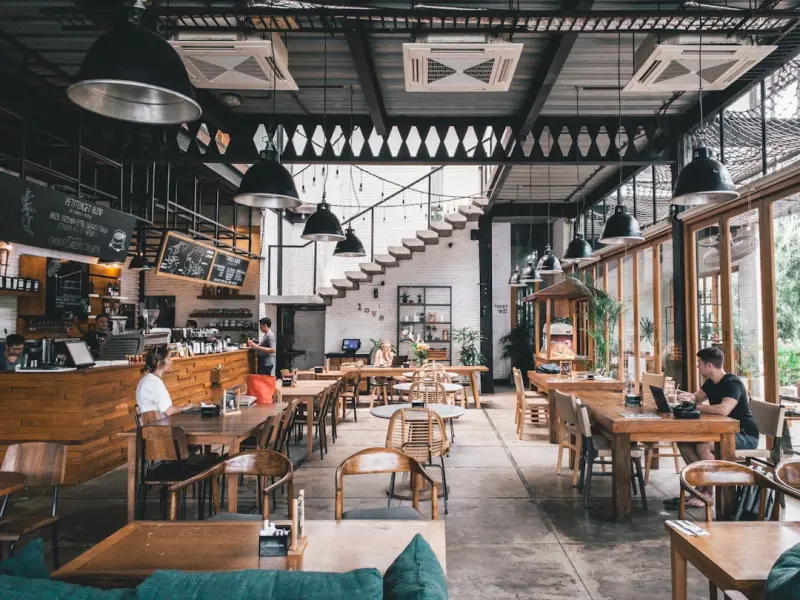
Beyond Taste: Crafting Multi‑Sensory Restaurant Experiences That Keep Guests Coming Back
Discover the power of multi‑sensory design in restaurants—from curated soundscapes and signature... Read More
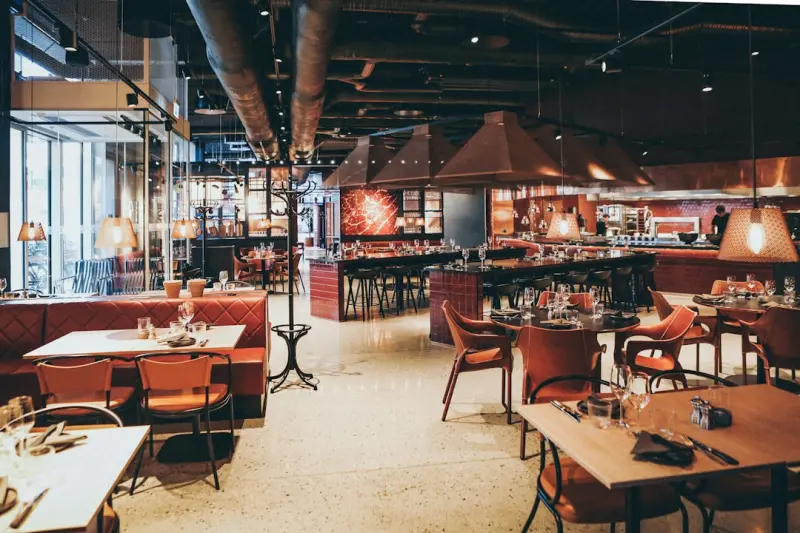
Hyper‑Local Sourcing: Transforming the Restaurant Experience from Farm to Fork
Hyper‑local sourcing connects restaurants directly with nearby farms, delivering fresher flavors, ... Read More

Data‑First Dining: How Restaurants Can Turn Numbers Into Flavors
Discover why a data‑first mindset is the secret sauce for today’s restaurants, from predictive m... Read More
Top Posts

The Unseen Struggles of Mental Health in Rural Canada
Rural Canadians face unique challenges that can contribute to poor mental health. Learn more about the struggles of mental health in rural Canada....Read More

Beyond the Screen: Canada’s Immersive Entertainment Revolution
Canada’s entertainment scene is evolving beyond traditional venues, with immersive tech, hybrid festivals, and community gaming hubs creating new ways for aud...Read More

Sprouting Secrets: Turning Seeds into Supercharged Snacks
Learn the science, steps, and creative uses of sprouting to create nutrient‑rich micro‑greens at home, reduce waste, and boost immunity—plus tips for safe...Read More
The Secret Ingredient You’ve Been Ignoring: Restaurant Sound Design
Explore why sound is the invisible seasoning in dining. Learn science‑backed strategies, tech tools, and case studies to craft a soundtrack that boosts flavor...Read More
0 Comments
Post Comment
You will need to Login or Register to comment on this post!