
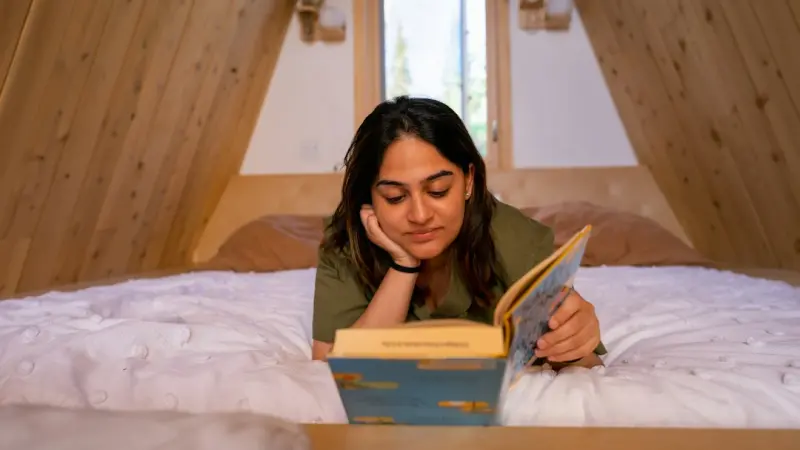
Why the Cabin is Back: A Fresh Take on Canadian Wilderness Living
There’s something undeniably magnetic about a wooden cabin perched on a ridge, a lakefront porch that greets the sunrise, or a modest log home that smells of pine after a fresh snowfall. For many Canadians, the cabin has long been a seasonal escape—a place to unplug, roast marshmallows, and listen to the whisper of wind through the trees. Yet in the last few years, that humble retreat has undergone a quiet transformation. It’s no longer just a weekend getaway; it’s becoming a year‑round lifestyle choice that blends tradition with technology, sustainability with comfort, and community with solitude.
From Summer Hideaway to Full‑Time Haven
Historically, cabins were built for summer use, a place to cool off from the city’s heat. Today, a growing number of Canadians are retrofitting these structures to endure the long, beautiful winters that define our nation. Insulated walls, radiant floor heating, and solar‑powered micro‑grids are making it possible to live sustainably in places that were once considered “too remote.” The shift is driven by three forces:
- Affordability. Housing prices in major metros have surged, prompting families to look beyond the downtown core for cost‑effective options.
- Remote work flexibility. With many employers embracing hybrid models, professionals can trade a cramped apartment for a cabin with a view without sacrificing career progression.
- Environmental consciousness. Canadians are increasingly mindful of their carbon footprints, and a cabin built to modern green standards can dramatically reduce energy consumption.
These trends echo the Suburban Shift, where families are re‑thinking where they live and how they share space. In the cabin context, the “multigenerational” model often means grandparents, parents, and teenagers cohabitating under one roof, each contributing to a shared, low‑impact lifestyle.
Designing for the Seasons
Designing a cabin for year‑round living isn’t just about adding a furnace. It’s an exercise in seasonal synergy—the idea that each design element should serve multiple purposes throughout the year.
Passive Solar Orientation
Positioning large windows to the south maximizes sunlight during the short winter days, reducing the need for artificial heating. In the summer, overhangs and deciduous trees provide natural shade, keeping interiors cool without relying on air‑conditioning.
Compact, Modular Interiors
Space is a premium in cabins. Modular furniture—think fold‑out desks, wall‑mounted storage, and convertible sleeping nooks—allows residents to shift between work, leisure, and rest seamlessly. Many are opting for tiny‑home aesthetics, where each square foot serves multiple functions.
Eco‑Friendly Materials
Local reclaimed timber, low‑VOC paints, and insulated concrete forms (ICFs) are gaining popularity. Not only do these materials reduce the carbon footprint, but they also blend harmoniously with the surrounding landscape, honoring the cabin’s natural setting.
Technology in the Wild
While the cabin ethos emphasizes “getting away from it all,” the modern cabin is anything but disconnected. High‑speed satellite internet, smart thermostats, and remote monitoring systems give owners peace of mind and efficiency without sacrificing the rustic charm.
Imagine a smart thermostat that learns your heating preferences, adjusting temperature based on occupancy sensors and outdoor weather patterns. Or a solar‑powered battery bank that stores excess energy during sunny days for use on cloudy winter afternoons. These technologies ensure that you can work, stream, and stay connected while still feeling like you’re off the grid.
Community: The Cabin Network
One of the most surprising developments is the rise of cabin‑owner cooperatives. These networks share resources, from bulk‑purchased firewood and shared maintenance crews to group insurance policies that lower costs for everyone involved. By pooling resources, cabin owners can access amenities—like communal hot tubs or shared workshops—that would be prohibitive for an individual.
These cooperatives also foster a sense of belonging that counters the isolation many fear when moving to remote locations. Seasonal gatherings, potluck dinners, and collaborative projects (such as building a shared sauna) create a vibrant, supportive community.
Food, Fuel, and Fun: Embracing Self‑Sufficiency
Living close to nature naturally encourages a more self‑reliant mindset. Many cabin dwellers are turning to small‑scale gardening, hydroponic setups, and even backyard chickens to supplement their grocery bills. The growing popularity of “forest‑to‑fork” cooking—harvesting mushrooms, foraging berries, and preparing meals over an open fire—reinforces a deeper connection to the land.
For those who crave the occasional social outing, the Drive‑In Renaissance offers a perfect weekend activity. Imagine loading up your vintage car, driving to a nearby pop‑up cinema, and watching classic Canadian films under a canopy of stars before heading back to your cabin for a nightcap by the fire.
Traveling with Purpose
Cabin living also dovetails nicely with the Intentional Travel movement. Rather than ticking off a checklist of tourist attractions, travelers are seeking immersive experiences that enrich their lives. A cabin stay becomes a portal to explore local culture—whether it’s learning Indigenous storytelling traditions, joining a community drumming circle, or participating in a seasonal maple‑syrup harvest.
Challenges and Realities
While the cabin renaissance is exciting, it’s not without hurdles:
- Infrastructure gaps. Not all remote areas have reliable internet or road access, which can limit remote work capabilities.
- Zoning and permits. Municipal regulations vary widely, and some regions have strict rules about building new structures or renovating existing ones.
- Seasonal logistics. Maintaining a property through harsh winters requires preparation—stockpiling supplies, ensuring heating systems are winter‑ready, and planning for snow removal.
Addressing these challenges often involves collaboration with local governments, leveraging community cooperatives, and investing in resilient design from the outset.
The Future of the Canadian Cabin
Looking ahead, the cabin will likely evolve into a hybrid space—a blend of retreat, primary residence, and remote‑work hub. As climate‑change awareness grows, the push toward low‑impact, energy‑efficient living will only intensify. We may see more “micro‑villages” where clusters of cabins share renewable energy grids, communal kitchens, and shared transportation options like electric shuttles.
Ultimately, the resurgence of cabin living is less about nostalgia and more about redefining what “home” means for a modern, environmentally conscious Canada. It’s a celebration of our country’s vast wilderness, an invitation to live more deliberately, and a chance to build stronger, more resilient communities—one log at a time.

Related Posts
Cottage Revival: Remote Work Meets Lakefront Living
Remote work is breathing new life into Canada’s beloved cottages, turning weekend getaways into ye... Read More
How Community Tool Libraries Are Transforming Canadian Home Life
Explore the rise of community tool libraries in Canada—how borrowing, not owning, can save money, ... Read More

Seasonal City Sanctuaries: How Canadians Are Bringing Nature Into Urban Life
Canadian cities are turning rooftops, balconies, and vacant lots into seasonal sanctuaries, reconnec... Read More
Top Posts

The Evolution of Marketing in the Digital Age
The digital age has transformed marketing, making it essential to stay true to core principles: authenticity, creativity, and understanding human behavior. Lear...Read More
Ontario’s Quiet Fishing Revolution: How Community Co‑Ops Are Changing the Game
Ontario’s fishing scene is evolving as anglers unite in community co‑ops, pooling resources for shared water access, collective gear repair, and environment...Read More

Charting Personalized Horizons: How Data Is Redefining Cruises and Bus Tours
Explore the rise of hyper‑personalized travel, where data and AI craft bespoke cruise and bus tour itineraries, delivering unique, sustainable, and immersive ...Read More

Parental Warning: The Silent Threat of Algorithmic Playlists in Kids’ Screens
A deep dive into how algorithmic playlists, zero‑party data, and AI health dashboards influence kids’ screens, offering practical steps for parents to regai...Read More
0 Comments
Post Comment
You will need to Login or Register to comment on this post!