
Why Ontario’s Fishing Landscape Is Quietly Shifting Toward Community Co‑Ops
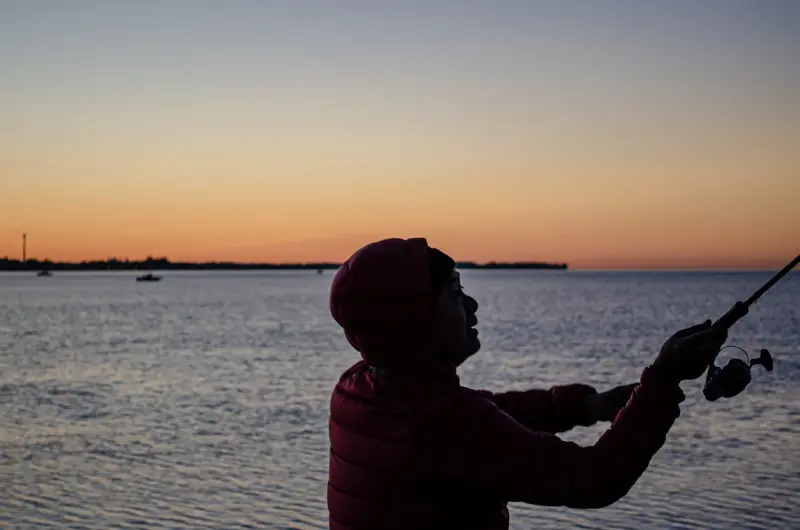
When I first cast a line on the tranquil waters of Lake Simcoe, it felt like I was stepping into a ritual older than any modern calendar. The ripples that spread across the surface mirrored the stories my grandfather whispered about the “old ways” of fishing—patience, respect for the water, and a deep‑rooted sense of belonging. Fast forward a decade, and I’m witnessing a subtle but powerful transformation: anglers across Ontario are banding together to form community‑led fishing cooperatives (co‑ops). These groups are redefining how we access the water, share knowledge, and nurture the ecosystems that sustain our beloved sport.
The Roots of a Modern Movement
Co‑ops aren’t a new concept in Canada. They’ve powered everything from agricultural collectives in the Prairies to credit unions in the Maritimes. What’s new is the way they’re being adopted by anglers in Ontario’s lakes, rivers, and even urban shorelines. The driving forces are simple yet profound:
- Shared Access: With rising property prices along prime waterfronts, many would‑be anglers find themselves priced out of prime spots. Co‑ops pool resources to secure fishing rights on public waters, ensuring that membership—rather than a hefty landowner’s fee—opens the door.
- Collective Knowledge: Veteran anglers bring decades of “water lore,” while younger members contribute fresh perspectives on gear, technique, and even local culinary twists. The exchange is a living encyclopedia of Ontario’s aquatic life.
- Stewardship by Design: When a community has a stake in a waterway, the incentive to protect it rises exponentially. Co‑ops often adopt “catch‑and‑release” guidelines, habitat clean‑ups, and invasive‑species monitoring as core tenets.
From Backyard Ponds to Lakefront Cabins: A Spectrum of Co‑Ops
Ontario’s geography offers a diverse playground for fishing co‑ops. Here are three distinct models that have sprouted across the province:
1. The Urban Shoreline Circle (Toronto & Hamilton)
City dwellers crave an escape from skyscrapers and traffic, and the community repair hubs that sprouted in downtown lofts have inspired a similar “gear‑swap” culture on the water. Members meet monthly at a dockside shed, swapping rods, reels, and even homemade lures. The co‑op’s charter includes a commitment to keep the lake’s shoreline litter‑free, with volunteer clean‑ups after each meet‑up.
2. The Indigenous Knowledge Collective (Northern Ontario)
In the north, First Nations communities are weaving centuries‑old fishing practices with contemporary cooperative frameworks. By partnering with local governments, they’ve secured rights to traditional fishing grounds, allowing both Indigenous and non‑Indigenous members to learn respectful techniques—such as using natural bait sourced from the land and timing harvests with migratory patterns. This model emphasizes cultural exchange, offering workshops on language, storytelling, and sustainable harvest that go far beyond the act of catching a fish.
3. The Rural Lakefront Alliance (Muskoka & Kawarthas)
Out in the countryside, families own cabins that have been in their lineages for generations. When property taxes rose, a handful of cabin owners formed the Rural Lakefront Alliance, purchasing a shared lease for a stretch of shoreline on a public lake. The co‑op’s governance includes rotating “cabin steward” duties—one member maintains the dock, another organizes fish‑identification outings, and a third coordinates the annual “Taste‑of‑the‑Lake” potluck, where members showcase culinary creations inspired by their catch.
Gear Talk: Why Community Repair Beats Solo Fixes
One of the most overlooked benefits of a fishing co‑op is the collective maintenance of equipment. Instead of sending a prized rod to a distant service center, co‑op members set up “repair nights,” where seasoned anglers troubleshoot broken guides, replace spools, and even 3‑D‑print custom parts. This collaborative approach not only extends the life of gear but also fosters a culture of resourcefulness. For those who appreciate a good snack while tinkering, consider fueling the session with plant‑powered snacks. They’re light, energizing, and keep the hands clean—perfect for a hands‑on evening of reel repair.
Building Community Outside the Water
Fishing, at its core, is a solitary act. Yet the magic of co‑ops lies in the community that forms around that solitude. Monthly gatherings often spill over into potluck dinners, storytelling circles, and even local art showcases. One co‑op in the Kawarthas recently hosted a “Fish‑Art” exhibition where members painted their favorite catches, turning the lake’s bounty into a visual narrative of the season.
These events serve another purpose: they act as informal mentorship platforms. New anglers, often intimidated by the technical jargon of “drag settings” or “leader lengths,” find patient mentors who break down concepts over a steaming bowl of fish chowder. The result is a more inclusive fishing culture that welcomes novices without compromising the depth of knowledge cherished by veterans.
Economic Ripple Effects: More Than Just a Hobby
When a co‑op secures a lease on a prime shoreline, it doesn’t just benefit its members; it invigorates the surrounding economy. Local bait shops see increased traffic, small‑scale boat manufacturers receive custom orders, and nearby cafés experience a boost from anglers seeking post‑catch coffee. In some cases, co‑ops have partnered with local tourism boards to offer “guided community fishing tours,” blending ecological education with a modest revenue stream that funds shoreline restoration projects.
Challenges: Navigating Regulations and Perceptions
While the co‑op model is gaining traction, it isn’t without hurdles. Ontario’s fishing regulations are complex, with overlapping jurisdiction between provincial agencies and Indigenous governance. Co‑ops must stay vigilant, ensuring that their lease agreements align with both provincial licensing and Indigenous rights frameworks.
Moreover, there’s an occasional perception that co‑ops are “elitist clubs.” Transparency is key. Successful co‑ops publish annual reports detailing membership demographics, fee structures, and environmental initiatives. Open forums and community outreach events help demystify the model, inviting broader participation.
The Future: Technology as a Supporting Actor, Not the Lead
While this blog focuses on community, it would be disingenuous to ignore the subtle role technology plays. Mobile apps that map public fishing access points, water‑temperature trackers, and even simple group chat platforms help coordinate meet‑ups and share real‑time observations. However, the heart of the movement remains human connection, not digital dashboards.
In fact, some co‑ops are deliberately limiting the tech they rely on to preserve the “offline” experience. One group in the Muskoka region has a “no‑phone” policy during fishing hours, encouraging members to be fully present—listening to the water, feeling the tug on the line, and absorbing the serenity that only a quiet lake can provide.
Getting Started: A Step‑by‑Step Guide for Aspiring Co‑Op Members
If you’re inspired to join or form a fishing co‑op, here’s a practical roadmap:
- Identify Shared Goals: Gather a group of interested anglers and discuss what you hope to achieve—be it shared access, gear repair, or environmental stewardship.
- Research Local Regulations: Contact Ontario’s Ministry of Natural Resources and local Indigenous councils to understand lease options and licensing requirements.
- Draft a Simple Charter: Outline membership fees, decision‑making processes, and community commitments (e.g., clean‑up days, catch‑and‑release policies).
- Secure a Physical Hub: Whether it’s a modest dock shed or a repurposed boathouse, a central meeting point anchors the co‑op’s activities.
- Launch a Pilot Event: Host a “Kick‑off Cast” where members bring a favorite lure, share a snack, and discuss the year’s fishing calendar.
- Promote Inclusivity: Offer mentorship programs, gear‑swap nights, and family‑friendly outings to attract a diverse membership base.
- Measure Impact: Track metrics such as shoreline clean‑up hours, fish‑release numbers, and member satisfaction to showcase value to stakeholders.
Closing Thoughts: The Quiet Revolution on Ontario’s Waters
Ontario’s fishing heritage has always been a tapestry of individual stories woven together by the common thread of water. The emergence of community co‑ops adds a new pattern—a design that respects tradition while embracing collective strength. As more anglers trade solitary pursuits for shared stewardship, we’ll see healthier lakes, richer knowledge exchange, and a reinvigorated sense of belonging that extends far beyond the shoreline.
So the next time you hear the gentle splash of a lure breaking the surface, ask yourself: am I part of a larger story? In the quiet corners of Ontario’s lakes, that answer is increasingly “yes.”

Related Posts
Ontario’s Urban Angler’s Guide: Fishing the City’s Hidden Waters
Explore Ontario’s urban waterways, from hidden docks to community tournaments, and learn how to fi... Read More
Fishing with a Conscience: Sustainable Practices on Ontario’s Lakes and Rivers
Discover how to fish responsibly in Ontario with sustainable gear, catch‑and‑release techniques,... Read More
Reeling in the Future: Ontario Anglers Embrace AI and Drones
Ontario anglers are adopting AI-powered sonar, scouting drones, and predictive apps, merging traditi... Read More
Top Posts

Navigating the Uncharted Territory of Prom and Graduation: A Parent's Perspective
Prom and graduation mark significant milestones in a student's life. As a parent, learn how to navigate this new chapter and provide your child with the support...Read More

How to Outsmart Tariffs and Keep Your Wallet Happy
Learn how to turn hidden tariff costs into budgeting wins, use tech to stay ahead, and advocate for smarter trade policies—all while protecting your wallet....Read More

Sailing the Land: Crafting Unforgettable Cruise‑Bus Hybrid Journeys
Explore the art of merging sea voyages with scenic bus routes, offering seamless transitions, sustainable practices, and unforgettable multi‑generational expe...Read More
Ontario’s Secret Fishing Spots: A Local’s Guide to Uncharted Waters
Tracie Higgins uncovers Ontario’s lesser‑known fishing destinations, offering practical advice on finding pristine waters, selecting the right tackle, and c...Read More
0 Comments
Post Comment
You will need to Login or Register to comment on this post!