
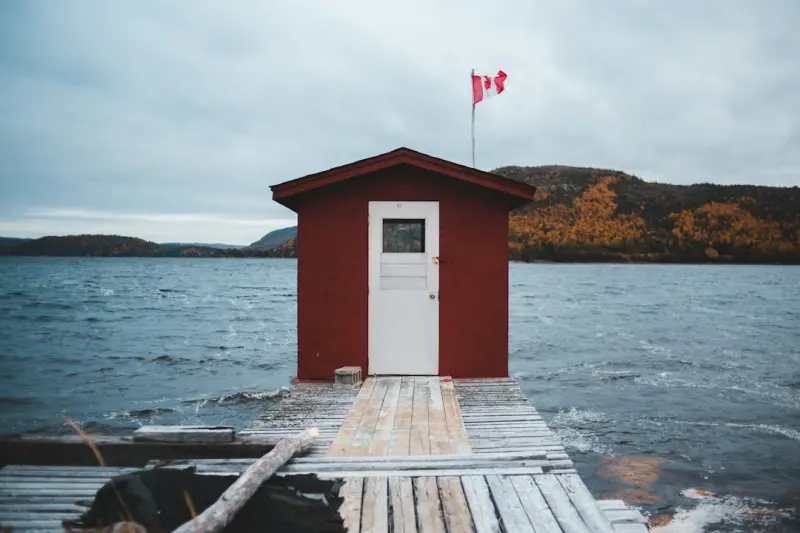
Welcome to the Cabin‑Office Fusion
When I first swapped my downtown condo for a timber‑clad retreat nestled beside a loch in Ontario, I expected a simple weekend getaway. What I discovered was a seismic shift in how Canadians are balancing professional ambition with the primal need for fresh pine air. The cabin‑office hybrid isn’t a fleeting TikTok trend; it’s a cultural recalibration that lets us answer the call of the wild without abandoning the inbox.
Why the Wilderness Calls Back Professionals
Our modern work lives are saturated with screen glare, perpetual notifications, and the hum of city traffic. Studies show that prolonged exposure to these stressors can erode creativity and increase burnout. Canada’s vast landscape offers an antidote: a place where the only background noise is the rustle of aspen leaves. By relocating—even temporarily—to a cabin, many professionals report sharper focus, deeper strategic thinking, and an unexpected surge in productivity.
From Urban Loft to Log Cabin: The Logistics
Making the leap from a high‑rise office to a log‑lined study requires more than a suitcase. First, assess the connectivity of the locale. Thanks to the recent broadband revamp, even remote communities now boast fiber‑optic speeds that rival downtown hubs. Pair this with a solar‑powered backup system, and you’ve got a resilient digital workspace that can weather a winter storm.
The Architecture of a Cabin‑Office
Designers are reimagining traditional cabins with sleek ergonomics. Think reclaimed‑wood desks that double as dining tables, large‑format windows that flood the room with daylight, and insulated glass doors that open onto a private deck. The goal is to blur the line between work zone and relaxation zone, allowing you to pivot from a conference call to a stretch of yoga on the porch without missing a beat.
Technology That Marries Nature and Work
Beyond high‑speed internet, the tech stack for cabin‑office life includes portable monitors, noise‑cancelling headphones, and cloud‑based collaboration suites that keep you synced with global teams. For those who crave a touch of community, digital co‑working platforms now feature “virtual campfire” rooms where remote workers share stories, troubleshoot code, or simply enjoy a virtual cup of Tim Hortons together.
Health Benefits You Can Feel in Your Bones
Spending time in a natural environment triggers the release of endorphins and reduces cortisol levels. The Canadian government’s research on outdoor exposure notes a measurable improvement in cardiovascular health after just three days of forest immersion. When you pair this with a standing desk made from locally sourced cedar, you’re not just working—you’re nurturing a holistic lifestyle.
Economic Ripple Effects for Rural Communities
Each cabin‑office resident becomes an inadvertent patron of the local economy. From buying maple‑syrup at the farmer’s market to hiring a local carpenter for custom shelving, the influx of remote workers is revitalizing small towns that once struggled with outmigration. This economic stimulus often encourages municipalities to invest further in infrastructure, creating a virtuous cycle of growth.
Building a Sustainable Cabin‑Office
Eco‑conscious Canadians are leading the charge by integrating green technologies. Rainwater harvesting systems, composting toilets, and heat‑recovery ventilation are becoming standard. Moreover, many are opting for passive house certification, ensuring the cabin remains warm in winter and cool in summer with minimal energy consumption.
Balancing Community and Solitude
One of the most rewarding aspects of cabin living is the ability to curate social interaction. You can host a small dinner party for neighboring families, join a local book club, or simply enjoy solitary mornings with a steaming mug of coffee. The flexibility ensures you never feel isolated, yet you retain the freedom to retreat into quiet contemplation whenever needed.
Case Study: A Toronto Startup’s Seasonal Shift
Last spring, a fintech startup based in Toronto piloted a program allowing its engineers to spend two weeks per quarter in a cabin near Banff. The result? A 15% boost in sprint completion rates and a noticeable uplift in employee satisfaction scores. The company credited the change to the reduced commute time, the inspirational backdrop, and the renewed sense of camaraderie formed around campfire brainstorming sessions.
Tips for a Seamless Transition
- Test Connectivity First: Use a portable hotspot to gauge signal strength before committing.
- Set Boundaries: Define work hours and stick to them to prevent the cabin from becoming a 24/7 office.
- Invest in Comfort: A good ergonomic chair and proper lighting can make long workdays pleasant.
- Engage Locally: Attend community events to embed yourself in the local culture.
- Plan for Power Outages: A small generator or solar battery bank can keep critical devices running.
Looking Ahead: The Future of Canadian Work‑Life Integration
As more Canadians discover the allure of the cabin‑office, we can anticipate a broader re‑imagining of workspaces across the country. Municipalities may introduce zoning changes to accommodate mixed‑use properties, while corporations could develop policies that support remote‑first arrangements. The convergence of technology, sustainability, and the timeless pull of the wilderness points toward a more balanced, fulfilling way of living and working.
Final Thoughts
If you’re still on the fence, consider booking a weekend retreat in a cabin equipped for remote work. Feel the pine‑scented air, test the internet, and imagine the possibilities. The cabin‑office isn’t just a location; it’s a mindset—a declaration that we can honor both our professional aspirations and our deep‑rooted connection to Canada’s great outdoors.

Related Posts

Rooftop Gardens: How Canadians Are Turning Cityscapes into Food Sanctuaries
Rooftop gardens are reshaping Canadian cities by providing fresh food, cooling urban heat islands, a... Read More

Cozy in the Cold: How Canadian Neighborhoods Are Turning Winter Into a Social Asset
Canadians are reshaping winter by creating pop‑up social hubs, community‑owned geothermal system... Read More

Winter Food Halls: Canada’s Urban Eating Revolution
Winter food halls are turning Canada’s chilly season into a culinary celebration, uniting local ch... Read More
Top Posts

Canada’s National Cyber Shield: A Collective Playbook for Business and Government
A deep dive into Canada’s emerging national cyber shield, detailing collaborative frameworks, legal safeguards, and cultural shifts that unite government and ...Read More

Ghost Kitchens: Redefining Restaurant Real Estate and Reach
Ghost kitchens are turning the restaurant world upside down by eliminating dining rooms, slashing overhead, and leveraging technology to launch multiple virtual...Read More

When AI Becomes Your Kid’s Playdate: A Parental Warning
A deep dive into how AI companions and data‑driven apps subtly shape children’s experiences, privacy, and mental health, with actionable tips for parents to...Read More

Reeling Through Ontario: Seasons, Secrets, and Stories
From spring melt to winter ice, I share Ontario’s prime fishing spots, secret gems, and tasty ways to bring the catch to your table, all while honoring the la...Read More
0 Comments
Post Comment
You will need to Login or Register to comment on this post!