
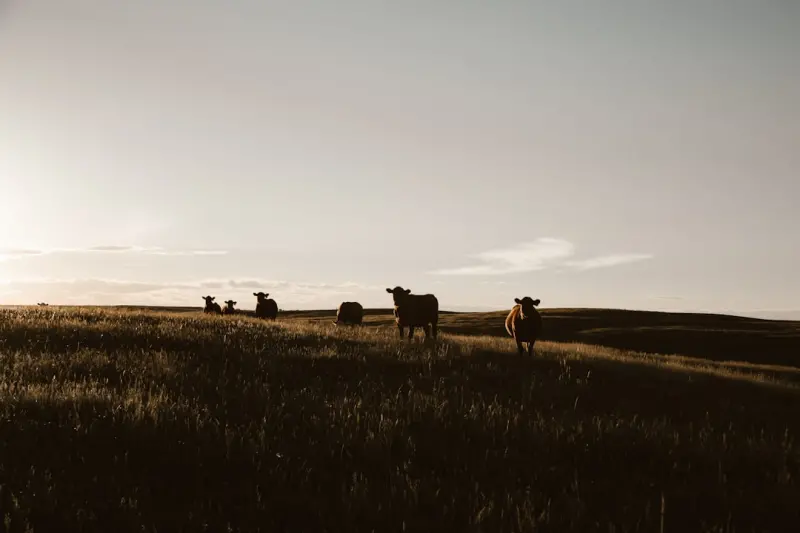
From Soil Sensors to Smart Decisions
Out on the prairie, the rhythm of planting and harvesting has always been dictated by the feel of the earth beneath our boots, but today that instinct is being amplified by a network of soil‑moisture sensors that whisper data back to the farmer’s tablet before the first seed even leaves the planter; these devices, buried just a few inches deep, continuously log temperature, salinity and nutrient levels, translating a silent underground dialogue into colorful graphs that can be interpreted at sunrise, noon or midnight, allowing us to fine‑tune irrigation schedules with a precision that conserves water while maximizing yield. The real breakthrough, however, lies not merely in the hardware but in the algorithms that learn from each data point, adjusting recommendations as weather patterns shift and as the micro‑climate evolves over the growing season, creating a feedback loop that feels almost conversational, as if the field itself is offering advice. In practice, this means a farmer can now reduce fertilizer applications by up to twenty percent, cut runoff, and still see grain protein levels rise—an outcome that would have seemed like a paradox a decade ago.
Eyes in the Sky: Drones and Real‑Time Mapping
When the sun climbs high and the corn stands tall, a fleet of lightweight drones takes to the air, skimming over rows with cameras calibrated to capture multispectral imagery that reveals stress invisible to the naked eye; each flight produces gigabytes of data that are stitched together into a seamless map, highlighting pockets of disease, nitrogen deficiency or pest pressure with color‑coded precision, and this map is instantly uploaded to a cloud platform where machine‑learning models compare current patterns to historic outbreaks, flagging anomalies that might otherwise go unnoticed until they devastate an entire section. The speed of this process—often under fifteen minutes from take‑off to actionable insight—means a farmer can dispatch a targeted sprayer to a twenty‑acre hotspot, avoiding blanket applications that waste chemicals and money, while also preserving the health of beneficial insects in surrounding areas. Moreover, the same aerial surveys can be scheduled weekly, building a temporal narrative of field health that becomes a living journal, informing decisions not just for the current crop but for future rotations.
Building a Digital Commons for Rural Communities
Beyond the gadgets on individual farms, a quiet revolution is unfolding in the form of cooperative data platforms where neighboring growers upload their sensor readings, drone maps and yield outcomes, creating a shared repository that functions like a communal weather station on steroids; because the data is aggregated, patterns that are invisible at the single‑farm level emerge—such as subtle soil‑type variations that span county borders—enabling participants to collectively negotiate better input contracts, secure bulk discounts on seed or even lobby for infrastructure upgrades based on demonstrable need. The platform’s open‑source architecture encourages local developers to craft custom dashboards, and a simple
- visualization of nitrogen trends over five years
- forecast of pest pressure based on regional climate models
- benchmarking of water use efficiency against nearby operations
can be generated with a few clicks, turning raw numbers into stories that empower both seasoned growers and the next generation of agripreneurs. By fostering this digital commons, we are not only democratizing access to cutting‑edge analytics but also reinforcing the social fabric of rural Canada, proving that technology can be a bridge rather than a barrier.
Weaving Indigenous Knowledge into Modern Practices
While satellites and sensors provide a high‑resolution view of the field, the wisdom of Indigenous peoples, honed over millennia of stewardship, offers a complementary lens that respects the deeper cycles of the land; elders speak of planting on the “fourth moon” to align crops with natural moisture regimes, of using fire‑scarred patches to improve soil aeration, and of reading the subtle signs of wildlife that indicate nutrient hotspots, practices that have recently been codified into collaborative research projects with universities and government agencies. When these time‑tested observations are layered onto sensor data, surprising synergies emerge—for example, a traditional fire‑break area may correspond with a sensor‑detected rise in soil temperature that promotes beneficial microbial activity, leading to a measurable increase in organic matter within a single season; such intersections validate both knowledge systems, and they encourage a respectful exchange where farmers invite Indigenous advisors onto their advisory boards, ensuring that the integration is not tokenistic but rooted in mutual benefit. The result is a more resilient agro‑ecosystem that honors cultural heritage while leveraging modern precision tools.
Direct‑to‑Consumer Channels Powered by Tech
As grocery aisles become increasingly crowded with imported produce, many Canadian farmers are turning to digital marketplaces that connect them directly with urban diners, using e‑commerce platforms that integrate inventory management, route optimization and real‑time customer feedback, thereby shortening the supply chain from field to fork; a farmer can now upload the day’s harvest, set pricing tiers based on freshness, and automatically generate delivery routes that minimize fuel consumption while guaranteeing that a box of heirloom tomatoes arrives at a doorstep within 24 hours of picking. This model not only captures a higher margin—often double what a conventional wholesaler would pay—but also builds brand loyalty, as consumers receive traceability reports that detail soil health metrics, water usage and even the exact drone flight that confirmed pest‑free status, turning transparency into a selling point. For those looking to expand beyond their immediate region, partnerships with regional food hubs and subscription box services offer scalable pathways, and the data collected from each transaction feeds back into the farm’s predictive analytics, refining future planting decisions based on real‑world demand trends.
Resilience Through Diversified Cropping and Data
Climate volatility has taught us that putting all our eggs in one crop basket is a gamble no farmer can afford, and the answer lies in diversifying both the species we grow and the data streams we monitor; by intercropping legumes with cereals, for instance, we introduce nitrogen‑fixing benefits that sensors can quantify, while also creating a habitat mosaic that deters monoculture pests, a strategy that is now being mapped using the same drone technology that once served solely for scouting disease. The integration of these practices is facilitated by decision‑support tools that weigh market price forecasts, soil nutrient balances and weather projections, presenting a handful of optimal rotation scenarios that align profitability with ecological stewardship; this approach not only cushions farms against price shocks but also enhances carbon sequestration, a benefit that can be monetized through emerging carbon credit programs. In this way, data becomes a catalyst for a more diversified, climate‑smart agriculture that protects both the farmer’s bottom line and the planet’s future.
Linking Grassroots Innovation to National Identity
Our collective story as a nation is increasingly defined by the ingenuity of small‑scale producers who harness technology to preserve regional flavors while meeting global standards, a narrative captured brilliantly in a recent feature on grassroots innovation reshaping Canadian identity; by sharing success stories—from sensor‑driven wheat farms that have lowered input costs to Indigenous‑partnered enterprises that market heritage grains under fair‑trade labels—we reinforce the idea that modern farming is not a relic of the past but a vibrant, forward‑looking sector that contributes to cultural pride and economic vitality. When communities rally around these pioneers, they inspire the next wave of agritech entrepreneurs, create educational pipelines for youth, and attract investment that fuels further research, ensuring that Canada’s fields remain a source of both sustenance and inspiration for generations to come.
Looking Ahead: A Call to Embrace the Quiet Revolution
The future of Canadian agriculture will be defined not by the loudest headlines but by the steady, data‑driven choices made at sunrise in the barn and at dusk in the control room, a quiet revolution that demands openness to new tools, respect for ancient wisdom and a willingness to share successes and setbacks alike; as we continue to embed sensors, drones and collaborative platforms into the very fabric of our farms, we must also champion policies that subsidize technology adoption for smallholders, protect data sovereignty and encourage cross‑sector partnerships that bridge academia, industry and Indigenous communities. By doing so, we not only safeguard our food supply against uncertainty but also position Canada as a global beacon of sustainable, high‑tech farming that honors the land while feeding the world—a vision worth sowing today.

Related Posts

From Soil to Ledger: How Blockchain is Rewriting the Canadian Farm Story
Blockchain is emerging as a practical tool for Canadian farmers, offering immutable traceability, pr... Read More
Regenerative Roots: Canadian Farmers Turning Fields into Climate Allies
Canadian growers are embracing regenerative agriculture—cover crops, reduced tillage, diverse rota... Read More

Bridging Traditions: How Indigenous Wisdom is Shaping Modern Canadian Farming
Discover how Indigenous stewardship practices are transforming Canadian farms, boosting soil health,... Read More
Top Posts

The Hidden Levers Driving Your Cost of Living (And How to Flip Them)
A deep dive into the invisible factors raising your cost of living—energy drains, subscription overload, and psychological pricing—plus practical SaaS‑ins...Read More

Rethinking Everyday Expenses for Modern Professionals
A deep dive into the unseen drains on your budget—subscriptions, remote‑work costs, and lifestyle inflation—and actionable steps to plug the leaks and bui...Read More

Get Ready to Dive into Deliciousness: Poutine Feast Ontario is Back!
Hey poutine lovers! Get your forks ready because the most Canadian food festival is back on the road again! That's right, Poutine Feast Ontario Inc. is hitting ...Read More
Rethinking Tariffs: From Compliance Burden to Innovation Engine
Tariffs are no longer just a compliance hurdle for SaaS firms; they’re becoming a catalyst for innovation, market segmentation, and sustainable growth. This p...Read More
0 Comments
Post Comment
You will need to Login or Register to comment on this post!