
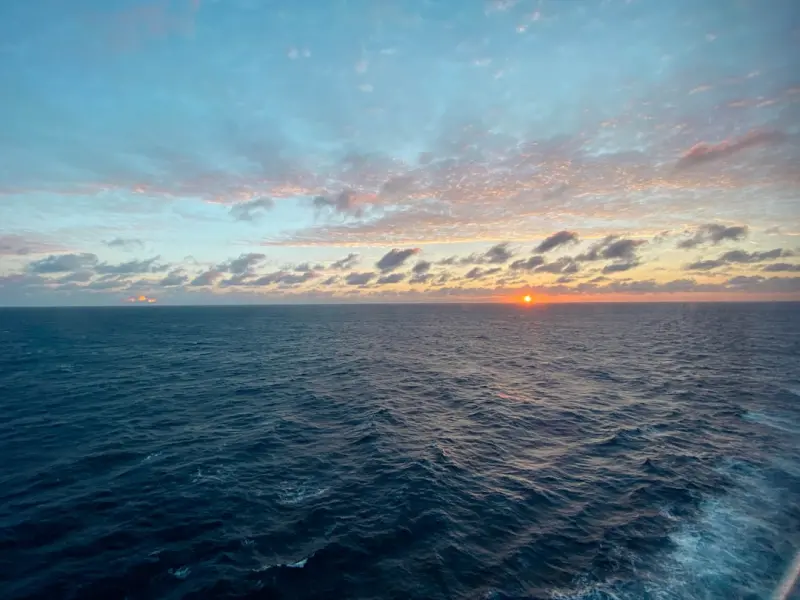
Charting Uncharted Waters: Hybrid Day‑Trip Bus Expeditions That Redefine the Cruise Prelude
When I first stepped aboard a cruise ship, the excitement was palpable, but the hours spent waiting at the terminal felt like a missed opportunity. Years later, after countless voyages and a few too‑many airport lounges, I realized there’s a better way to start the journey: transforming the pre‑cruise layover into an adventure in its own right. This is where hybrid day‑trip bus expeditions come into play—curated, data‑driven excursions that bridge the gap between land and sea, turning idle waiting time into an unforgettable extension of the cruise experience.
Why the Traditional Pre‑Cruise Model Is Ripe for Disruption
Historically, cruise lines have treated the embarkation process as a logistical checkpoint. Passengers arrive, check in, perhaps enjoy a cocktail on the promenade, and then set sail. The reality is that most travelers arrive at the port city a full day—or even two—before the ship departs. That “extra” time often ends up being spent in hotel rooms, airport lounges, or generic city tours that feel disconnected from the cruise narrative.
From my own perspective, that disconnection is a missed revenue stream for operators and a lost chance to deepen guest engagement. Imagine if the pre‑cruise window were engineered as a thematic prelude that aligns with the cruise itinerary, the ship’s branding, and the traveler’s personal interests. The result? Higher satisfaction scores, increased ancillary spend, and a more seamless storytelling arc that starts on the road and culminates at sea.
The Anatomy of a Hybrid Day‑Trip Bus Expedition
Designing a compelling hybrid expedition involves three core pillars:
- Data‑Driven Personalization: Leveraging passenger data—preferences, past travel history, and even social media signals—to tailor stops and experiences.
- Strategic Partnerships: Aligning with local attractions, culinary artisans, and cultural institutions that resonate with the cruise’s theme.
- Integrated Technology: Real‑time itinerary updates, interactive onboard apps, and secure payment gateways that keep the journey fluid.
Let’s unpack each pillar.
1. Data‑Driven Personalization: From Insight to Itinerary
In the age of AI and predictive analytics, we no longer need to guess what travelers want. By integrating reservation systems with a agile business growth mindset, cruise operators can create micro‑segments—like “foodies seeking local markets” or “history buffs craving heritage walks”—and automatically generate itineraries that match those interests.
Consider a family heading to the Mediterranean. Their data profile reveals a love for ancient ruins and a penchant for gelato. The hybrid bus expedition could start with a guided tour of a nearby Roman amphitheater, followed by a stop at an artisanal gelateria where the kids can make their own flavors. All of this happens before the ship’s hull even slides into the harbor.
Beyond personal taste, data can also inform operational efficiency. Predictive models forecast peak boarding times, enabling buses to stagger departures and avoid bottlenecks at the terminal. The result is a smoother flow of passengers and a reduced strain on port infrastructure.
2. Strategic Partnerships: The Power of Local Authenticity
The most memorable travel moments often spring from authentic, locally sourced experiences. By forging partnerships with regional businesses—think boutique wineries, heritage museums, or eco‑friendly surf schools—cruise lines can inject genuine cultural flavor into the pre‑cruise itinerary.
These collaborations are mutually beneficial. Local partners gain exposure to an international audience, while cruise operators diversify their product offering without the need to develop new assets from scratch. This symbiotic model mirrors the success of cyber resilience for SMEs, where small entities thrive through strategic alliances.
One example in practice: a Caribbean cruise line teamed up with a centuries‑old rum distillery. Guests boarded a climate‑controlled bus that whisked them to the plantation, where a master distiller guided them through the fermentation process, culminating in a tasting session. The journey ended back at the port, where the ship’s onboard mixology class continued the rum narrative. The seamless extension from land to sea not only reinforced the cruise’s “Island Spirits” theme but also drove incremental revenue for both the distillery and the cruise line.
3. Integrated Technology: Keeping the Journey Fluid
Technology is the glue that binds data and partnerships into a coherent experience. Mobile apps serve as the command center, offering real‑time updates on bus locations, wait times, and even weather alerts that might affect the itinerary.
Interactive features—like QR‑code guided audio tours, digital souvenir galleries, and on‑board loyalty point redemption—enhance engagement. Secure payment integration allows passengers to purchase upgrades (e.g., a private guide) or exclusive merchandise without ever leaving the bus.
Moreover, a robust cybersecurity framework—again, a lesson drawn from cyber resilience for SMEs—ensures that guest data remains protected throughout the journey, fostering trust and compliance with global privacy regulations.
From Concept to Reality: A Sample Hybrid Expedition
Below is a hypothetical, fully‑fleshed day‑trip itinerary for a cruise departing from San Diego, designed to illustrate how the three pillars converge.
- 08:00 – Arrival & Check‑In: Passengers are greeted by a sleek, eco‑friendly bus at the airport. Their mobile app displays a personalized welcome message and itinerary preview.
- 09:00 – Coastal Art Walk: The bus rolls to a beachfront gallery featuring local surf‑inspired murals. An augmented‑reality (AR) overlay on the app provides artist bios and behind‑the‑scenes videos.
- 11:30 – Gourmet Taco Tasting: A partnership with a family‑run taco shack offers a tasting menu paired with craft tequila. Guests earn loyalty points for each bite, redeemable on the cruise.
- 13:00 – Harbor Cruise Preview: A short, narrated boat ride around the bay showcases landmarks the ship will later pass, building anticipation for the maritime leg.
- 15:00 – Sustainable Surf Clinic: Guests learn eco‑friendly surf techniques from certified instructors, reinforcing the cruise line’s “Ocean Stewardship” theme.
- 17:00 – Return & Boarding: The bus returns to the terminal, where passengers receive a digital welcome kit for the cruise, complete with itinerary highlights and exclusive onboard offers.
This itinerary exemplifies how a hybrid expedition can transform idle time into a narrative‑rich, revenue‑generating adventure.
Measuring Success: KPIs That Matter
Implementing hybrid day‑trip bus expeditions isn’t just about storytelling; it’s also about measurable impact. Key performance indicators to track include:
- Ancillary Revenue per Passenger: Incremental spend on tours, meals, and merchandise.
- Guest Satisfaction Scores (NPS): Post‑expedition surveys to gauge perceived value.
- Boarding Efficiency: Reduction in average check‑in time thanks to staggered bus arrivals.
- Partner ROI: Sales lift for local businesses participating in the program.
- Data Enrichment Rate: New insights collected from passenger interactions during the bus tour.
By aligning these metrics with broader business goals, cruise operators can iteratively refine the hybrid model, ensuring both guest delight and bottom‑line growth.
Addressing Common Concerns
Logistical Complexity: Critics argue that adding a bus component complicates operations. In practice, modern fleet management platforms integrate seamlessly with port authority systems, allowing real‑time coordination and dynamic routing.
Cost Implications: While there is an upfront investment in vehicles and technology, the ROI manifests quickly through ancillary revenue and higher occupancy rates. Partner revenue sharing further offsets costs.
Environmental Impact: Eco‑friendly buses (electric or hybrid) and carbon‑offset programs mitigate the environmental footprint, aligning with the growing demand for sustainable travel.
Future Outlook: The Evolution of the Pre‑Cruise Experience
Looking ahead, I envision a world where the pre‑cruise journey is no longer an afterthought but a core component of the cruise brand’s identity. Imagine AI‑curated “micro‑cruises” that start with a sunrise bus ride through vineyards, transition to an onboard wine‑tasting, and culminate in a sunset sail—all woven together by a single, personalized storyline.
As the industry continues to embrace data, partnership ecosystems, and cutting‑edge tech, the line between land and sea experiences will blur, giving rise to a truly integrated travel narrative. For operators willing to experiment, the hybrid day‑trip bus expedition offers a low‑risk, high‑reward pathway to differentiate in a crowded market.
In my own travels, I’ve learned that the moments between destinations are often the most memorable. By reimagining those moments, cruise lines can turn every embarkation into a launchpad for adventure, setting the tone for a journey that feels both cohesive and exhilarating from the first mile to the last wave.

Related Posts
Unlocking Shore Day Magic: How Bus Tours Turn Cruise Stops into Deep‑Dive Adventures
Turn ordinary cruise layovers into unforgettable cultural immersions with curated bus tours that div... Read More
Wellness on the Move: Cruise and Bus Tours Redefined
Learn to turn any cruise or bus tour into a personal wellness retreat through mindful routines, comm... Read More
When the Bus Becomes a Cruise: Redefining Open‑Road Adventures
Explore the rise of bus‑cruise hybrids, where comfort, culture, and eco‑friendly travel combine ... Read More
Top Posts

Elevate Your Prom & Graduation: A Strategic Playbook for Unforgettable Milestones
A step‑by‑step, budget‑smart, eco‑friendly guide transforms prom and graduation from a one‑night expense into a strategic celebration that leaves last...Read More
Tariff Turbulence: Turning Trade Barriers into Strategic Leverage for SaaS
Tariffs needn’t cripple SaaS businesses; by mapping exposure, stacking deals, redesigning architecture, and embedding a tariff‑ready culture, companies can ...Read More

Canada’s Esports Surge: From Basement Tournaments to City‑Scale Economic Engines
From modest gaming lounges to massive arenas, Canada’s esports industry is transforming entertainment, driving local economies, and reshaping cultural narrati...Read More

Nourishing Narratives: How Storytelling, Seasonality, and Sensory Cooking Transform Healthy Eating
Discover how weaving stories, seasonal foraging, and mindful cooking into everyday meals can elevate nutrition, flavor, and lasting wellness....Read More
0 Comments
Post Comment
You will need to Login or Register to comment on this post!