
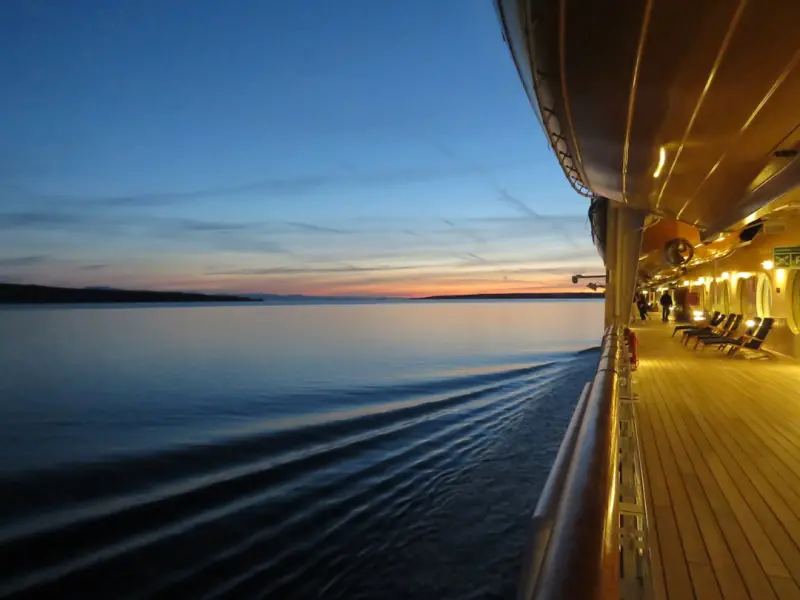
From Decks to Highways: Rethinking Travel as a Curated Experience
When I first stepped onto a cruise ship as a child, the world felt like a floating playground—endless decks, glittering lights, and the promise that every sunrise would bring a new shore. Years later, as a seasoned bus‑tour enthusiast, I’ve learned that the magic isn’t just in the destination; it’s in how the journey is choreographed. Today’s travelers crave authenticity, immersion, and a sense of purpose, and the industry is finally listening. In this deep dive, I’ll explore how modern cruise lines and long‑haul bus operators are transforming from mere transport providers into storytellers, educators, and even innovators.
1. The Rise of “Living Labs” on the High Seas
Imagine a cruise ship that doubles as a research hub, a culinary incubator, and a sustainability showcase—all while you lounge on the pool deck. This isn’t a futuristic fantasy; it’s happening now. Companies are repurposing under‑utilized spaces (think former crew lounges) into pop‑up labs where scientists, chefs, and designers collaborate with guests in real time.
- Marine science on deck: Passengers join marine biologists for night‑time plankton watches, using handheld spectrometers that sync with their smartphones.
- Food innovation cruises: Onboard kitchens partner with local farms to experiment with low‑impact proteins. Guests help taste‑test, providing immediate feedback that influences menus for the next leg of the voyage.
- Renewable‑energy demos: Some ships now feature transparent solar panels on promenade walkways, letting travelers see energy conversion in action.
These “living labs” turn a vacation into a participatory learning adventure, blurring the line between leisure and discovery. The result? Guests return home not just with souvenirs, but with new skills and a deeper appreciation for the ecosystems they visited.
2. Bus Tours as Mobile Cultural Hubs
Long‑distance bus travel has traditionally been associated with budget‑friendly commuting. Yet, forward‑thinking operators are redefining the bus as a mobile cultural hub. Think of a refurbished vintage coach equipped with modular interiors that can shift from conference‑style seating to an intimate gallery space within minutes.
Here’s how the transformation unfolds:
- Curated audio narratives: Instead of the usual static commentary, passengers can choose from a library of localized stories narrated by community elders, historians, or even indie musicians.
- On‑board workshops: Mid‑journey stops now include pop‑up craft studios where travelers learn traditional weaving or pottery techniques from local artisans.
- Interactive maps: Large, touch‑responsive screens display real‑time ecological data, historic timelines, and even crowd‑sourced trivia submitted by fellow travelers.
These enhancements turn the road into a rolling classroom, offering a richer sense of place without sacrificing comfort or affordability.
3. Personalization Powered by Data—Without the Intrusiveness
Travelers today expect experiences tailored to their interests, but the era of endless pop‑ups asking for permission to track your location is over. The next wave focuses on ethical personalization. Operators are leveraging anonymized, aggregate data to fine‑tune itineraries, onboard activities, and even meal selections.
For instance, a cruise line might analyze the most popular shore‑excursion categories from the previous season—kayaking, culinary tours, wildlife spotting—and dynamically adjust the upcoming itinerary to allocate more time to those experiences. Meanwhile, bus operators can use ticket‑purchase patterns to predict demand for on‑board workshops, ensuring each coach is stocked with the right materials.
This approach respects privacy while delivering relevance, a balance that resonates strongly with today’s conscientious traveler.
4. Sustainable Storytelling: Turning Green Initiatives into Engaging Narratives
While sustainability has become a buzzword, many operators still struggle to convey their initiatives in a way that feels authentic rather than perfunctory. The solution lies in storytelling that puts guests at the center. Instead of a static plaque about waste reduction, imagine a short documentary screened in the ship’s lounge, following the journey of a recycled plastic bottle—from collection on a coastal town to its rebirth as a stylish lounge chair.
Bus tours can adopt a similar tactic. As the coach winds through a protected forest, the driver could cue a short video that explains the local conservation effort, paired with a QR code that lets passengers donate directly to the cause. By integrating narrative, data, and action, sustainability becomes a shared adventure rather than an afterthought.
5. Culinary Curiosity: From Regional Flavors to Global Fusion
Food is the universal language of travel, and both cruise ships and bus tours are embracing this truth in bold new ways. On the high seas, chefs are no longer confined to a fixed menu; they now operate as culinary explorers, sourcing ingredients from each port and crafting pop‑up tasting events that evolve nightly.
One emerging trend is the “fusion lab” concept: a temporary kitchen where local chefs collaborate with the ship’s culinary team to blend traditions—think Japanese‑style sushi rolls featuring Atlantic salmon, or a Caribbean-inspired ceviche infused with Canadian maple glaze. Guests receive a “lab passport” that gets stamped after each tasting, encouraging them to explore a wider palette of flavors.
On land, long‑haul buses are experimenting with modular snack stations that serve regional specialties at each major stop. A simple coffee break in Quebec might feature artisanal butter tarts, while a stop in the Prairies could offer bison jerky. These bite‑size experiences create a culinary thread that ties the entire journey together.
6. Community Partnerships: Empowering Local Economies
Travel can be a catalyst for economic empowerment when operators forge genuine partnerships with the communities they visit. Rather than booking generic tours through large agencies, progressive cruise lines and bus companies are contracting directly with local cooperatives, artist collectives, and family‑run farms.
This model yields multiple benefits:
- Authentic experiences: Travelers engage with locals who are passionate about their heritage.
- Economic ripple effects: Money stays within the community, supporting jobs and preserving cultural practices.
- Feedback loops: Operators receive real‑time input on how to improve and diversify their offerings.
By embedding community collaboration into the core itinerary, travel becomes a two‑way exchange rather than a one‑sided extraction.
7. Tech‑Enhanced Comfort: From Smart Seats to Ambient Lighting
Comfort remains a cornerstone of both cruise and bus travel, but the definition of “comfort” is expanding. Smart seats now feature temperature control, massage functions, and integrated charging ports that sync with personal devices. Ambient lighting systems adjust automatically based on the time of day and the mood of the current activity—soft blues for meditation sessions, vibrant hues for dance nights on deck.
On buses, the next generation of seats incorporates ergonomic design and acoustic dampening, turning a 12‑hour trek into a restful journey. Some coaches even boast “quiet pods”—small, sound‑proof compartments where passengers can nap, work, or simply unwind without interruption.
8. The Future of “All‑Inclusive”—A Modular Approach
All‑inclusive packages have traditionally been rigid, bundling meals, drinks, and activities into a one‑size‑fits‑all price. Travelers now demand flexibility. Operators are responding with a modular pricing system that lets guests pick and choose the elements they truly value.
For example, a cruise might offer a base fare covering accommodation and essential meals, with add‑ons for specialty dining, wellness workshops, or exclusive shore excursions. Similarly, a bus tour could provide a core ticket that includes transport and basic commentary, with optional upgrades for live music performances, guided hikes, or private photography sessions.
This approach respects individual budgets and preferences while still delivering a premium experience for those willing to invest in extras.
9. Integrating Health & Wellness Without the Gimmick
Wellness tourism has exploded, but many offerings feel superficial—think “sunrise yoga on deck” without any real benefit. The new wave focuses on holistic, evidence‑based programs. Cruise ships now partner with certified health professionals to deliver programs such as circadian rhythm optimization, where lighting, meal timing, and activity schedules align with the body’s natural clock.
Bus tours can incorporate wellness by scheduling regular stretch breaks, offering on‑board guided meditations, and providing nutritious snack options sourced from regional farms. The goal is to make the journey itself a rejuvenating experience, not just the destination.
10. The Power of Storytelling: Connecting Passengers to Place
Every journey has a story, and the most memorable trips are those where the narrative is woven into every touchpoint. From the moment a passenger books a ticket, they should feel part of an unfolding tale.
Consider a cruise that begins with a “passport”—a beautifully designed booklet that outlines the voyage’s theme (e.g., “The Silk Route of the Sea”). Each day’s activities are framed as chapters, complete with illustrations, historical anecdotes, and personal challenges that encourage reflection. By the final night, guests have not only explored ports but also completed a narrative arc that resonates long after they disembark.
Bus tours can adopt a similar structure, using a “story map” that highlights key moments along the route, such as a historic railway crossing or a legendary mountain pass. Interactive checkpoints invite passengers to share their own stories, creating a collective memory bank that enriches future journeys.
11. Leveraging Internal Knowledge: A Cross‑Industry Perspective
While the cruise and bus sectors are distinct, they can learn from each other's innovations. For example, the AI‑driven legal tools that help cruise lines navigate complex maritime regulations could be adapted for bus operators dealing with cross‑border compliance. Similarly, the deal‑architecture strategies employed by SaaS companies to optimize cost structures can inspire more efficient pricing models for travel packages.
Cross‑pollination of best practices accelerates innovation and ensures that both modes of travel evolve in tandem, offering passengers a seamless, high‑quality experience regardless of whether they’re on a deck or a highway.
Conclusion: Embracing the Journey as a Destination
Travel is no longer just a means to an end; it’s an evolving canvas where technology, culture, sustainability, and personal growth intersect. By reimagining cruises as floating labs and bus tours as mobile cultural hubs, operators can deliver journeys that are as enriching as the places they visit. The future belongs to those who treat the voyage itself as the destination—crafting stories, fostering community, and empowering travelers to become active participants in the adventure.

Related Posts
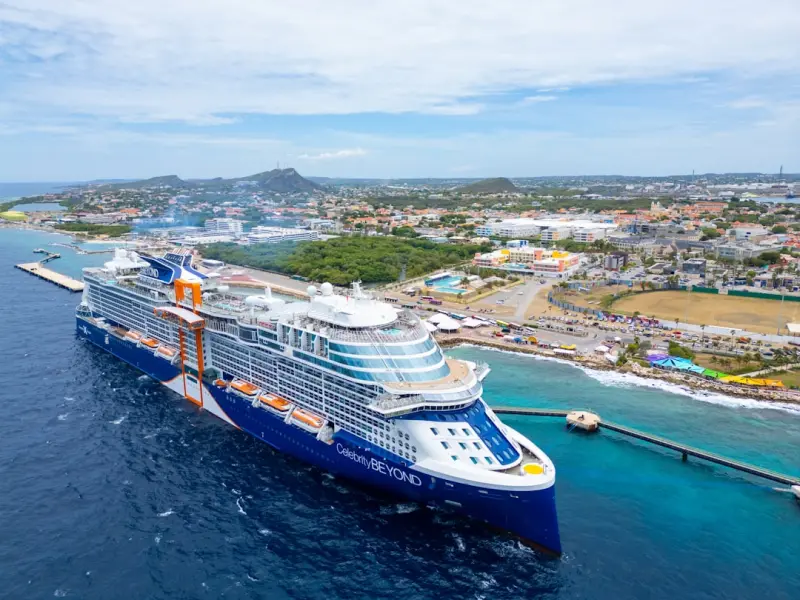
Seamless Adventures: Merging Cruise Luxury with Modern Bus Tours
A deep dive into the emerging hybrid travel model that blends the luxury of cruising with the flexib... Read More

Sailing and Road‑Trip Fusion: How to Blend Cruise Luxury with Bus Tour Adventure
Explore a fresh travel formula that merges cruise luxury with curated bus tours, delivering deeper c... Read More
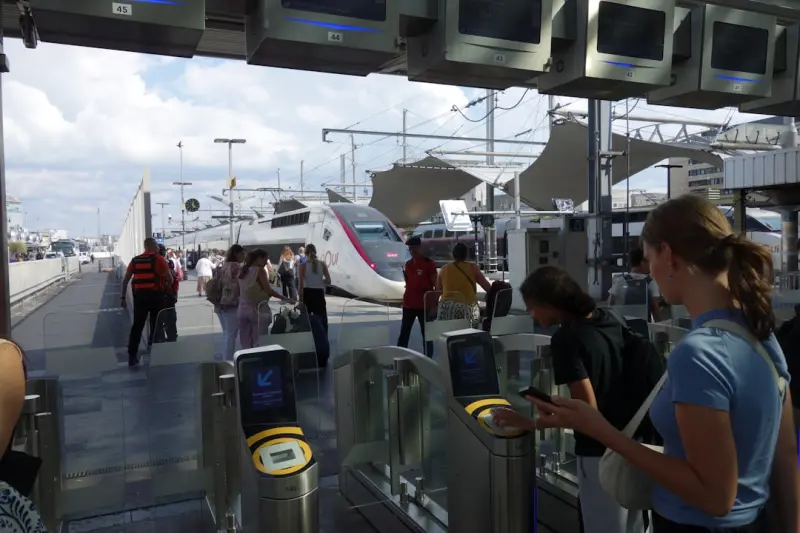
When Passengers Become Curators: The New Wave of Co‑Created Cruise and Bus Adventures
A fresh look at travel reveals passengers shaping itineraries in real time, turning cruises and bus ... Read More
Top Posts

Regenerative Travel: Turning Journeys into Community Boosters
Regenerative travel goes beyond sustainability, turning trips into community‑building opportunities through co‑created itineraries, zero‑party data person...Read More
Data‑First Dining: How Restaurants Can Turn Numbers Into Flavors
Discover why a data‑first mindset is the secret sauce for today’s restaurants, from predictive menus and personalized loyalty to dynamic pricing and waste r...Read More
Unlocking Health: The Power of Eating the Rainbow Every Day
Learn why adding red, orange, yellow, green, blue, and purple foods to every meal transforms your health, boosts energy, and supports brain function—all with ...Read More
How Intentional Breathing Can Transform Your Health
A deep dive into the power of intentional breathing, blending science, simple exercises, and nutrition tips to revitalize mind, body, and gut health....Read More
0 Comments
Post Comment
You will need to Login or Register to comment on this post!