
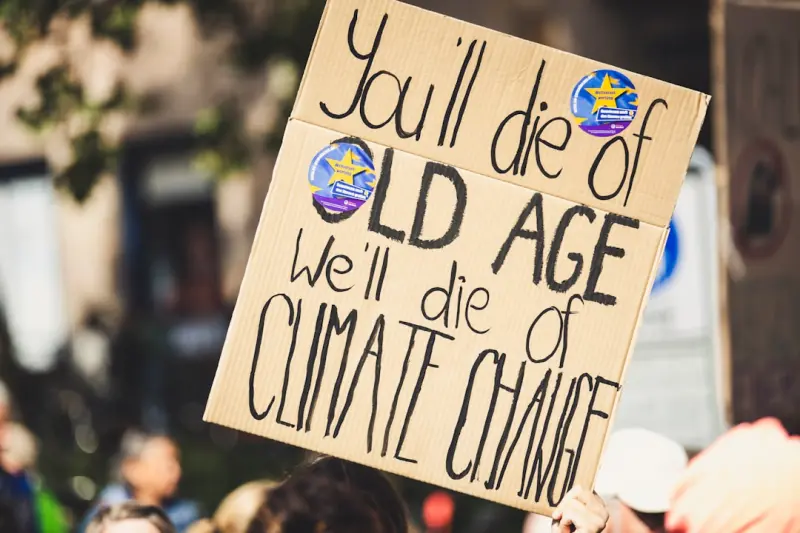
The Climate Migration Wave That No One Saw Coming
Across the northern prairies and the coastal ridges, families are packing up their lives not because of job loss but because the very land they call home is becoming uninhabitable. Rising sea levels along the Atlantic shoreline and the relentless advance of wildfires in the west are creating a silent surge of climate‑driven migrants who are demanding representation in a system that has traditionally ignored their plight. This new demographic shift is forcing politicians to confront questions about resource allocation, emergency housing, and long‑term regional planning that were once relegated to academic think‑tanks. As the numbers swell, the pressure on elected officials to craft responsive policies grows from a distant buzz to an immediate political imperative.
Political Parties Wake Up to the New Electorate
For years, the major parties have calibrated their platforms around fiscal prudence, health care, and trade, but the influx of climate‑displaced voters is reshaping campaign narratives in real time. The Liberals have begun to sprinkle promises of “green corridors” and climate‑resilient infrastructure into their speeches, while the Conservatives are cautiously embracing market‑based adaptation solutions to avoid alienating their traditional base. Meanwhile, the NDP is leveraging its historic ties to labour and environmental groups to position itself as the champion of displaced communities seeking affordable housing and job retraining. This competitive scramble is not merely rhetorical; it is manifesting in policy drafts, candidate selections, and targeted outreach campaigns that aim to secure the loyalty of those whose lives are on the front lines of climate change.
Policy Labyrinth: Housing, Infrastructure, and the Cost of Adaptation
The immediate challenge confronting legislators is the sheer scale of housing that must be delivered to accommodate climate migrants, a task complicated by existing affordability crises in urban centers like Toronto and Vancouver. Governments are wrestling with the paradox of expanding shelter capacity while maintaining fiscal responsibility, prompting debates over public‑private partnerships, modular construction, and zoning reforms that could accelerate development. At the same time, infrastructure planners are tasked with retrofitting roads, bridges, and utilities to withstand extreme weather, a venture that demands both substantial capital investment and innovative engineering solutions. In this tangled web, policymakers must balance short‑term relief with long‑term sustainability, a balance that will determine whether they can avert a looming humanitarian and political fallout.
Indigenous Partnerships as a Blueprint for Resilience
Indigenous nations have long been stewards of the land, possessing generations of knowledge about ecological stewardship and community cohesion that are now proving invaluable to climate adaptation strategies. Recent dialogues between federal ministries and First Nations leadership have highlighted the potential for co‑managed relocation programs that respect cultural ties while providing modern amenities. These partnerships are also opening pathways for joint governance structures that could serve as models for broader national policy, integrating traditional ecological knowledge with cutting‑edge science. By elevating Indigenous voices in the conversation, the political landscape is beginning to recognize that true resilience cannot be built without honoring the sovereignty and expertise of those who have survived on these territories for millennia.
Federal‑Provincial Tension Over Resource Allocation
The distribution of federal funds to provinces for climate adaptation is rapidly becoming a flashpoint in intergovernmental relations, with some jurisdictions accusing Ottawa of favoring regions that align with their electoral interests. Provincial leaders, especially in Alberta and Newfoundland, are demanding more autonomy to allocate resources toward localized solutions such as flood barriers and fire‑break networks that directly protect their constituents. This tug‑of‑war is further complicated by the need for a cohesive national strategy that can coordinate cross‑border migration flows and prevent a patchwork of inconsistent policies. As the debate intensifies, the potential for a constitutional showdown looms, forcing both levels of government to negotiate compromises that could redefine the fiscal federalism framework for years to come.
Data, AI, and the New Voter Registry
Amid the chaos of population movement, governments are turning to advanced data analytics and artificial intelligence to map migration patterns and predict future hotspots, a development that raises both hope and alarm among privacy advocates. The integration of AI‑driven policy challenges into electoral processes promises more accurate voter registration and targeted outreach, yet it also threatens to create digital divides if marginalized communities lack access to the necessary technology. By navigating the AI‑driven policy challenges, legislators aim to build a resilient democratic infrastructure that can adapt to shifting demographics while safeguarding civil liberties. The success of this digital overhaul will hinge on transparent governance and robust public discourse surrounding data ethics and algorithmic accountability.
Grassroots Mobilization and the Rise of Climate Advocacy Coalitions
Beyond the halls of Parliament, a new generation of activists is forging cross‑regional coalitions that amplify the voices of climate‑affected citizens, leveraging social media, community forums, and direct‑action campaigns to pressure elected officials. These groups are not only demanding immediate relief but also calling for systemic reforms such as a national climate‑migration fund, stronger environmental regulations, and equitable access to clean energy technologies. Their efforts are bearing fruit; municipal councils in vulnerable towns have begun to allocate emergency budgets for temporary shelters, while provincial ministries are commissioning impact studies to quantify the socioeconomic costs of inaction. The growing momentum of these grassroots movements underscores the reality that political change is increasingly being driven from the bottom up, reshaping the policy agenda in ways that traditional party apparatuses struggle to anticipate.
Future Outlook: Toward a Climate‑Responsive Political Architecture
If the current trajectory continues, climate migration will become a permanent fixture of Canadian politics, compelling parties to embed resilience into their core platforms and redefining the relationship between citizens and their representatives. The integration of renewable energy on farms and other green initiatives into economic recovery plans offers a promising pathway to create jobs while mitigating environmental risk. Moreover, the adoption of green healthcare initiatives can ensure that displaced populations receive comprehensive medical support in sustainably designed facilities. As policymakers grapple with these intertwined challenges, the emergence of a climate‑responsive political architecture will depend on their willingness to innovate, collaborate, and prioritize the long‑term well‑being of all Canadians over short‑term partisan gains.

Related Posts

Guardians at the Gate: Canada’s Fight Against Election Disinformation
Canada is confronting a new wave of election disinformation with legislative reforms, platform partn... Read More
The Unseen Battle: Climate Justice Meets Digital Democracy in Canada’s Political Future
A deep dive into the intertwining forces of climate justice and digital democracy, highlighting gras... Read More
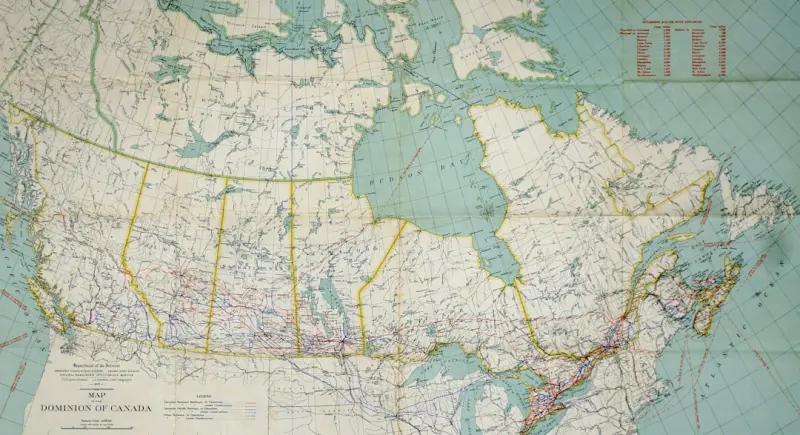
The Climate Pivot: Redrawing the Federal‑Provincial Map in Canada
Climate policy is no longer a side issue in Canada; it’s reshaping federal‑provincial relations,... Read More
Top Posts

Parental Warning: Kids Are Getting Hooked on AI‑Powered Digital Collectibles
AI‑generated digital collectibles are dazzling kids, but they bring addiction, hidden costs, and privacy risks. Learn how parents can protect their children w...Read More

Navigating Canada’s New Wave of Virtual Primary Care
Virtual primary care is transforming Canada’s health landscape, offering convenient, equitable, and proactive services that bridge urban‑rural gaps and inte...Read More

Navigating AI Liability: What Law Firms Need to Know Now
A deep dive into AI liability for legal services, outlining the challenges, case studies, and actionable strategies law firms can adopt to safeguard against alg...Read More
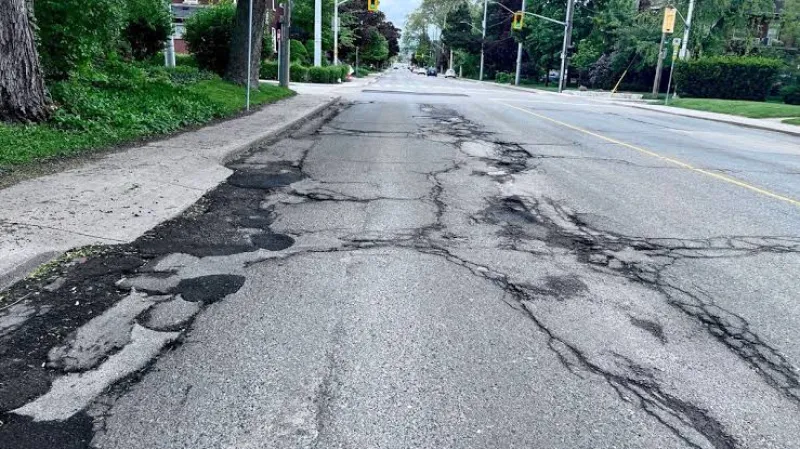
Aberdeen Avenue Claims the Unwanted Title: Ontario's Worst Road for the Second Year Running
The votes are in, and the results are clear: Ontarians are not happy with the state of their roads. For the second year in a row, Aberdeen Avenue in Hamilton ha...Read More
0 Comments
Post Comment
You will need to Login or Register to comment on this post!