
A New Dawn for the Family Farm
Standing at the edge of my 150‑acre plot in Southern Ontario, I watch the sunrise spill gold across rows of soybeans while a low hum of turbines begins in the distance, and I realize that the image of a farmer solely wielding a plow is fading into something far more electrified and resilient; the convergence of agriculture and clean power is no longer a distant vision but a daily reality that reshapes our to‑do lists, cash flow, and community identity. Over the past decade, federal incentives, provincial rebates, and a growing market for green electricity have coaxed many of my neighbours to install solar arrays, and the collective impact has turned our patchwork of fields into a patchwork of micro‑grids that feed both barns and households. In my own journey, the decision to diversify with renewable assets was sparked by a simple question: how can I protect my family’s legacy against volatile grain prices while honoring the land that sustains us?
Solar Panels Over the Cornfields
When the first solar panels rose like metallic wheat over the north‑west corner of my farm, the sight was both startling and poetic, because the reflective rows seemed to echo the very crops they shaded, creating a symbiotic relationship where the panels harvest sunlight while the plants capture carbon, and the shade they provide can even reduce soil moisture loss during scorching summer days; research from Agriculture Canada shows a 5‑10% boost in corn yields under partial shade, a benefit that has turned skeptics into enthusiastic adopters. The economics are equally compelling: a 250‑kilowatt system can generate enough kilowatt‑hours to power my entire operation, offsetting diesel for irrigation pumps and reducing my annual electricity bill by upwards of $15,000, while excess power is sold back to the grid under net‑metering agreements, turning my farm into a modest energy exporter. What truly excites me, however, is the ripple effect—neighbors now ask about financing options, local schools arrange field trips to learn about renewable tech, and the county’s agricultural extension office has added solar design workshops to its calendar, weaving sustainability into the very fabric of rural life.
Wind Turbines Whispering Across the Prairies
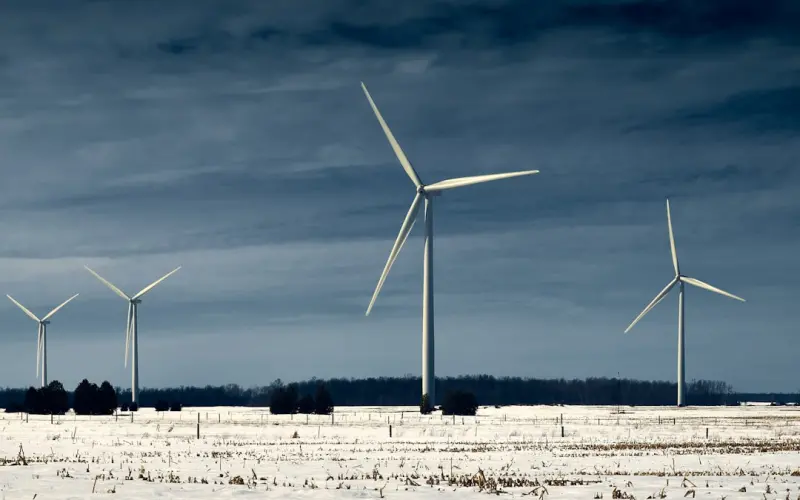
On the western edge of my property, where the horizon stretches flat and endless, a pair of mid‑size wind turbines now spin lazily, their blades slicing the wind in a rhythm that has become a new soundtrack to the farm, and each rotation translates into clean kilowatts that supplement the solar output, creating a hybrid system that balances generation across seasons—sunny summer days are bolstered by wind, while breezy autumn evenings keep the lights on long after the sun has set. The installation process was a community effort: local carpenters fabricated the tower bases, a regional engineering firm handled the grid interconnection, and a cooperative of nearby farms pooled resources to meet the minimum capital requirement, a model that mirrors the collaborative spirit that has long defined Canadian agriculture. Beyond the immediate energy benefits, the turbines have sparked conversations about land stewardship, as the slight lift they provide to pollinators and the reduced reliance on fossil‑fuel‑based equipment together paint a picture of a farm that is not only productive but also a guardian of the ecosystem it inhabits.
Turning Crop Residue into Biogas
After the harvest, the towering stacks of stalks and husks that once seemed like waste are now the feedstock for an on‑site anaerobic digester, a modest steel vessel that slurps the organic material and, through a controlled fermentation process, releases methane that fuels a combined‑heat‑and‑power unit, providing hot water for dairy barns and electricity for the milking parlour, thereby closing the loop on resource use and cutting my dependence on propane and natural gas. The technology, once relegated to large‑scale operations, has become affordable thanks to a provincial grant program that subsidizes up to 30% of installation costs, and the resulting biogas can offset up to 40% of my farm’s total energy demand, a figure that translates into thousands of dollars saved each year and a dramatically lower carbon footprint. Moreover, the digestate—a nutrient‑rich slurry left after gas extraction—serves as a premium organic fertilizer that improves soil structure, enhances microbial activity, and reduces the need for synthetic inputs, reinforcing the regenerative cycle that keeps the land fertile for generations to come.
Carbon Credits: Turning Soil Health into Income
While the world watches climate negotiations, a quieter revolution is taking place beneath our boots, where farmers like myself are being compensated for the carbon we sequester in healthy soils, and the mechanism—verified carbon credits—offers a new revenue stream that rewards practices such as cover cropping, reduced tillage, and diversified rotations, turning stewardship into a tangible financial incentive that aligns profit with planetary health. The verification process, once a bureaucratic labyrinth, has been streamlined by a national platform that uses satellite imagery, drone surveys, and soil sampling to certify carbon gains, and the resulting credits can be sold on emerging marketplaces that connect producers directly with corporations seeking to offset their emissions, creating a win‑win that fuels both farm sustainability and corporate responsibility. In my own ledger, the carbon credit income now represents roughly 8% of total farm revenue, a modest yet meaningful figure that has encouraged me to invest further in regenerative practices, and the story has resonated with my customers, who proudly display the “carbon‑neutral” label on our farm‑to‑table products, reinforcing the brand narrative of a truly sustainable operation.
Digital Marketplaces Power Direct Sales
Beyond the physical infrastructure, the digital realm is reshaping how we bring food from field to fork, and platforms that enable direct‑to‑consumer sales have become the lifeline for many small‑scale Canadian farms, allowing us to bypass traditional distribution channels, retain a larger share of the retail price, and forge personal connections with urban families who crave traceable, seasonal produce. The rise of these marketplaces has been accelerated by AI‑driven recommendation engines that match shopper preferences with farm inventory in real time, a concept explored in depth by AI‑driven farm communities, which help farmers fine‑tune their offerings and reduce waste by forecasting demand down to the pallet. By leveraging data analytics, I can now schedule planting cycles to align with peak online ordering windows, adjust packaging for efficient last‑mile delivery, and even experiment with subscription boxes that tell a story of each season’s bounty, turning the farm’s calendar into a dynamic, customer‑focused narrative that fuels both loyalty and profitability.
Community‑Supported Agriculture Reinvented
While CSA programs have been a staple of Canadian agriculture for decades, the integration of renewable energy and digital tools has breathed new life into the model, allowing members to invest not only in a share of the harvest but also in a stake of the farm’s clean‑energy output, effectively turning a basket of vegetables into a hybrid product that includes a portion of green electricity on the member’s bill. This innovative twist has attracted a younger demographic eager to support climate‑positive ventures, and the transparency offered by blockchain‑based tracking ensures that each participant can see exactly how much solar and wind power their contribution generates, fostering a sense of ownership that transcends the traditional farmer‑consumer relationship. As a result, my farm’s CSA enrollment has jumped by 35% in the past two years, and the additional capital has funded the expansion of my solar array, creating a virtuous cycle where community investment fuels sustainability, which in turn draws more community support.
Policy Shifts and Provincial Innovation
Recent provincial initiatives have been instrumental in lowering the barriers to clean‑energy adoption on farms, with programs that streamline permitting, provide low‑interest loans, and offer tax credits for renewable installations, a suite of tools that mirrors the broader push for decentralizing power and fostering local innovation highlighted in provincial innovation efforts across Canada. These policies not only make the upfront investment more manageable but also create a supportive regulatory environment where farmers can experiment with hybrid energy systems without fearing sudden rule changes or punitive fees, encouraging a culture of continual improvement and experimentation that benefits the entire agricultural sector. As a farmer who has navigated both the bureaucratic maze and the technical learning curve, I can attest that the alignment of policy, finance, and community enthusiasm has turned what once seemed like an ambitious side project into a core component of my farm’s business model, ensuring its viability for the next generation.
Looking Ahead: The Farm as a Hub of Energy and Food
The convergence of renewable power, carbon markets, and digital commerce is redefining the farm’s identity from a single‑purpose plot of land into a multifunctional hub that produces food, clean energy, and economic resilience, a transformation that promises to safeguard rural livelihoods against market volatility and climate uncertainty while delivering tangible benefits to consumers, investors, and the planet alike. As I stand beneath the spinning blades of my turbines and the gleaming panels that line the field’s edge, I feel a profound sense of optimism: the tools we once thought belonged only to urban innovators are now embedded in the soil, and the stories we tell at farmer’s markets now include chapters about kilowatt‑hours, carbon offsets, and blockchain‑verified harvests. This new narrative not only honors the heritage of Canadian farming but also propels it into a future where sustainability, technology, and community intertwine, ensuring that the next generation of farmers inherits a land that is as prosperous as it is protected.

Related Posts
Reaping the Future: How Canadian Farmers Turn Soil Into Digital Gold
From high‑resolution soil dashboards to solar‑powered barns, Canadian farmers are merging age‑... Read More
Harvesting Light: How Canadian Farmers Are Powering Their Future with Renewable Energy
Canadian farmers are turning to renewable energy—solar panels, wind turbines, and biogas—to lowe... Read More
From Soil to Screen: Building a Direct‑to‑Consumer Brand on a Canadian Farm
A Canadian farmer shares the step‑by‑step journey of turning a traditional farm into a modern, c... Read More
Top Posts
Rediscovering Heritage Grains: Ancient Cereals for Modern Kitchens
Discover how ancient grains like spelt, teff, and sorghum are reshaping modern cooking, offering nutrition, sustainability, and delicious new flavors for home c...Read More
Predictive SaaS: Turning Cost‑of‑Living Surprises Into Planned Savings
Learn how data‑driven SaaS platforms can forecast seasonal expense spikes, deliver instant usage alerts, and recommend dynamic budget reallocations, empowerin...Read More

Canada’s Entertainment Landscape Is Thriving Like Never Before
From coast‑to‑coast festivals and Indigenous podcasts to VR arcades and cottage film nights, Canada’s entertainment scene is reinventing itself, uniting c...Read More

Beyond the Paycheck: The Unseen Forces Shaping Today's Cost of Living
A deep dive into the hidden expenses—smart home tech, hybrid‑work commuting, subscription overload, and biophilic office design—that are reshaping the mod...Read More
0 Comments
Post Comment
You will need to Login or Register to comment on this post!