
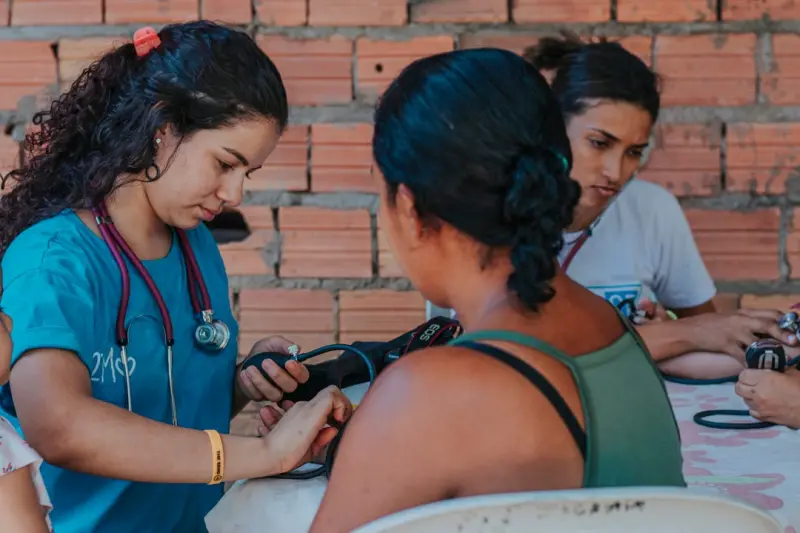
When I first stepped into a small, pop‑up clinic tucked behind a farmer’s market in the Okanagan, I expected a makeshift space with a few basic supplies. What I found was a vibrant hub where technology, community trust, and cultural humility converged to deliver care that felt as personal as a conversation over a pot of tea. It was a glimpse of the future I’ve been dreaming about: a Canadian healthcare system that leans on the strengths of local ecosystems, respects Indigenous knowledge, and uses digital tools to bridge—not widen—the gaps.
Why “Community‑First” is the Missing Piece in Canadian Health Policy
For decades, health policy in Canada has swung between top‑down reforms and piecemeal pilot projects. The result? A system that often feels distant from the very people it aims to serve. The community energy cooperative model offers a compelling parallel. By handing ownership of the grid to local members, these cooperatives have cultivated resilience, affordability, and a sense of collective responsibility. If a similar philosophy were applied to health—where clinics, patients, and local stakeholders co‑own the design and delivery of services—we could finally see a system that is as adaptable as the communities it serves.
Indigenous Partnerships: From Consultation to Co‑Creation
Indigenous health outcomes have long been a barometer of systemic inequity. Too often, initiatives are framed as “consultations” that stop at a single meeting. True partnership means co‑creating health solutions from the ground up, acknowledging that many Indigenous communities have practiced holistic care for millennia. By integrating traditional healers into primary‑care teams and supporting community‑run telehealth hubs, we can honor that legacy while leveraging modern medicine.
- Shared Governance: Establish joint boards that include Elders, community health workers, and physicians.
- Localized Data Sovereignty: Empower communities to control their health data, ensuring privacy and cultural relevance.
- Culturally Safe Environments: Design clinics with Indigenous art, languages, and protocols to foster trust.
Digital Health Literacy: The Real Barrier to Telemedicine
Telehealth surged during the pandemic, but the rush left a critical gap: many Canadians—especially seniors and rural residents—lack the digital fluency needed to navigate virtual appointments. A robust solution isn’t just more apps; it’s a national effort to teach digital health literacy as a core skill, akin to reading or driving.
One promising initiative is the development of community tech hubs where volunteers guide patients through video calls, medication apps, and remote monitoring devices. These hubs can be housed in public libraries, community centres, or even the same spaces that host the National Digital Identity pilots, creating a seamless ecosystem where identity verification, health records, and virtual visits intersect safely.
Redefining “Cost” in Healthcare: Beyond the Price Tag
When we talk about the cost of healthcare, we usually focus on billable services and prescription prices. Yet, hidden costs—time off work, travel to distant hospitals, and the emotional toll of navigating complex bureaucracy—can be far more burdensome. By shifting to a subscription‑based model for primary care, families could pay a predictable monthly fee that covers virtual visits, home visits, and a bundle of preventive services.
This concept mirrors the insights from Rethinking the Real Cost of Living. Instead of seeing subscriptions as a drain, they become a tool for budgeting health expenses, reducing surprise bills, and encouraging regular engagement with care providers.
Climate‑Smart Clinics: Health Care Meets Environmental Stewardship
Canada’s climate challenges are not isolated from health outcomes. Heatwaves exacerbate cardiovascular risks, while wildfires increase respiratory ailments. Clinics can become climate‑smart nodes by adopting renewable energy, green building materials, and low‑emission transportation incentives for patients and staff. Moreover, integrating climate data into patient risk assessments can help clinicians anticipate seasonal spikes in asthma or heart attacks, tailoring preventive advice accordingly.
Patient‑Led Innovation Labs: Turning Experience into Design
Historically, medical device and software development have been physician‑centric. However, patients live with conditions daily and often devise clever workarounds. By establishing patient‑led innovation labs within community health centres, we can harness that lived expertise to co‑design tools—ranging from medication reminders to AI‑driven symptom trackers—that truly address day‑to‑day challenges.
These labs operate on a simple principle: every idea is given a prototype budget, and a multidisciplinary team (including designers, clinicians, and patients) iterates rapidly. Successful pilots are then scaled through provincial health networks, ensuring that grassroots solutions gain broader impact.
Funding the Future: Blending Public, Private, and Social Capital
Traditional funding streams—government grants and provincial budgets—are essential but often slow and earmarked for specific outcomes. To accelerate community‑first health models, we need a blended finance approach:
- Social Impact Bonds: Investors fund a health initiative and receive returns based on measurable outcomes, such as reduced ER visits.
- Co‑operative Equity Shares: Community members can buy small stakes in local health clinics, aligning financial interest with health outcomes.
- Corporate Partnerships: Tech firms can sponsor digital literacy programs in exchange for brand visibility and data insights, provided privacy standards are upheld.
Measuring Success: From Metrics to Meaning
Success in community health shouldn’t be reduced to wait‑times or readmission rates alone. We need a broader set of metrics that capture quality of life, cultural safety, and environmental impact. Examples include:
- Patient‑reported outcome measures (PROMs) that reflect mental and emotional well‑being.
- Community satisfaction scores that assess trust and perceived relevance of services.
- Carbon footprint reduction per clinic, tracked against provincial targets.
By publishing these metrics publicly, clinics can build accountability and encourage continuous improvement, much like the transparency seen in community energy cooperatives.
Stories From the Frontlines: What’s Already Working
Across the country, a handful of pilots are already proving the power of this approach:
- Nunavut Tele‑Health Pods: Solar‑powered kiosks in remote hamlets allow elders to consult specialists without leaving their communities.
- Toronto Indigenous Wellness Centre: Co‑managed by the local First Nation, the centre blends Western diagnostics with traditional healing circles.
- Vancouver’s Green Clinic Initiative: A downtown primary‑care practice that offsets its energy use through local wind projects and offers patients bike‑share memberships.
Each of these examples shares a common thread: they are rooted in the community, leverage technology responsibly, and measure success beyond the conventional KPI checklist.
What Can You Do Today?
If you’re a clinician, consider joining a local health co‑op or proposing a patient advisory board. If you’re a policy maker, allocate funds for digital literacy hubs and climate‑smart infrastructure. And if you’re a patient, voice your preferences for culturally safe care and ask for transparent cost models. Change begins when each stakeholder claims a seat at the table.
Canada has a reputation for pioneering social programs; it’s time we extend that pioneering spirit to health. By embedding community ownership, cultural partnership, and climate awareness into the core of our healthcare delivery, we can create a system that’s not only more efficient but also more humane.

Related Posts

Reinventing Rural Care: Canada’s Virtual Health Hubs
Virtual health hubs combine digital tools, community‑based navigators, and therapeutic design to b... Read More

The Quiet Revolution of Community Tele‑Health Pods in Rural Canada
Community tele‑health pods blend reliable connectivity, advanced medical equipment, and local supp... Read More

Canada’s Health System: A Community‑First Blueprint
A deep dive into Canada’s evolving healthcare landscape, highlighting community hubs, rural telehe... Read More
Top Posts

Data‑Driven Flavor Pairing: Turning Numbers Into Delicious Surprises
Explore how leveraging data and simple tools can reveal surprising ingredient pairings, enhance culinary storytelling, and transform everyday cooking into a cre...Read More

Why Modern Tariffs Are About Data, Not Just Duty
Tariffs have moved beyond steel and wheat, targeting data, AI, and carbon footprints. This post explains the shift, offers practical strategies, and shows why e...Read More

When Tariffs Meet Data: Rethinking SaaS Architecture for a Fragmented World
A fresh look at tariffs shows they’re more than a cost line item—they’re a data signal. This post explains how SaaS teams can map trade policies to cloud ...Read More

Rethinking Representation: How Canada’s Parliament Can Keep Pace with a Digital Age
A deep dive into how Canada’s legislative body can adopt SaaS‑inspired practices, digital identity, AI fact‑checking, and citizen assemblies to bridge the...Read More
0 Comments
Post Comment
You will need to Login or Register to comment on this post!