
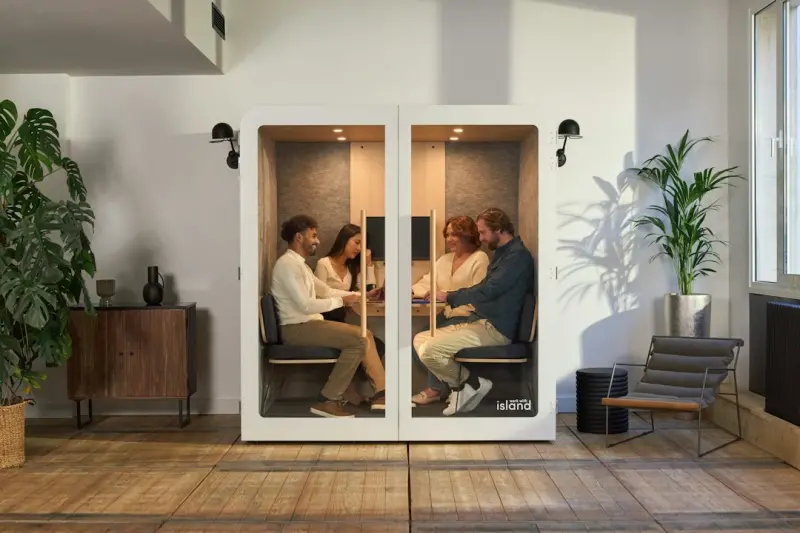
The Rise of Community Tele‑Health Pods: Bridging Care Gaps in Rural Canada
When I first stepped onto a makeshift tele‑health station in a remote Labrador fishing village, the stark contrast between the gleaming screens and the weathered wooden walls was jarring. Yet, as the local nurse connected a patient to a cardiologist in Toronto, a quiet revolution unfolded before my eyes. Across the vast Canadian landscape—from the prairie plains to the Atlantic shores—small, modular tele‑health pods are emerging as the most pragmatic solution to a problem that has haunted our healthcare system for decades: equitable access to quality care.
Why Pods, Not Just Apps?
Digital health apps have surged in popularity, but their impact is limited when broadband is spotty, digital literacy is low, or patients lack suitable devices. Community tele‑health pods solve three critical pain points simultaneously:
- Infrastructure: Each pod is pre‑wired with satellite or fiber‑backbone connectivity, ensuring a reliable link even in the most isolated hamlets.
- Equipment: High‑resolution cameras, digital stethoscopes, otoscopes, and even point‑of‑care blood analysis tools are built in, turning a simple room into a full‑scale examination suite.
- Support: Trained community health aides are on‑site to assist patients, troubleshoot technology, and translate medical jargon into plain language.
This hybrid approach respects the reality that not every Canadian can afford a personal health‑tech suite, while still harnessing the power of specialist networks that were once limited to urban centers.
The Policy Landscape: From Pilot to Nationwide Roll‑Out
Federal and provincial health ministries have begun to earmark funds for tele‑health infrastructure, but the challenge lies in coordination. The public data commons model offers a blueprint: create a shared repository of health data standards, security protocols, and device specifications that every pod must adhere to. When jurisdictions align on these standards, procurement becomes faster, and interoperability—long the Achilles’ heel of health IT—improves dramatically.
Moreover, recent budget allocations for climate‑resilient infrastructure have a hidden health dividend. By situating pods in energy‑efficient buildings, we not only reduce operating costs but also mitigate the health risks associated with poor indoor air quality. A look at sustainable heating choices reveals that well‑insulated, ventilated spaces lower incidences of respiratory ailments—a crucial complement to digital health services.
Real‑World Impact: Stories from the Frontline
1. The Arctic Diabetes Clinic – In Iqaluit, a tele‑health pod equipped with a continuous glucose monitor (CGM) interface allowed endocrinologists to adjust insulin regimens in real time. Within six months, patients reported a 30% drop in hypoglycemic events.
2. Indigenous Mental Health Hubs – Partnering with First Nations councils, pods were installed in community centers to provide culturally sensitive counseling via Indigenous‑language‑trained therapists. Early evaluations show a marked reduction in emergency department visits for acute anxiety.
3. Rural Oncology Follow‑Ups – In Nova Scotia’s Cape Breton, cancer survivors now attend quarterly virtual appointments from a pod in their local library, eliminating the 200‑kilometre round trips that previously led to missed appointments and increased stress.
Technology That Makes It Possible
The backbone of these pods is a blend of emerging and proven technologies:
- Edge Computing: By processing data locally—such as ECG waveforms—pods reduce latency, delivering near‑real‑time diagnostics without overwhelming the network.
- AI‑Assisted Triage: Machine‑learning models flag abnormal vital signs, prompting clinicians to prioritize urgent cases.
- Secure Multi‑Party Computation: This cryptographic technique ensures that patient data remains encrypted even while being analysed across multiple jurisdictions, satisfying both privacy regulators and clinicians.
These tools are not ivory‑tower experiments; they are being deployed today in pilot programs funded by Innovation, Science and Economic Development Canada.
Economic Considerations: A Cost‑Effective Model
Traditional brick‑and‑mortar expansion in sparsely populated regions is prohibitively expensive. A single pod, costing roughly CAD 150,000 to fully outfit and install, can serve a catchment area of 5,000–10,000 residents. By contrast, building a full clinic could exceed CAD 2 million for comparable coverage.
When you factor in reduced travel costs for patients, lower missed‑appointment rates, and the downstream savings from early disease detection, the return on investment often materializes within three to five years. Moreover, pods generate employment opportunities for local health aides, fostering community resilience.
Challenges and How to Overcome Them
Despite the promise, several hurdles remain:
Digital Literacy Gaps
Solution: Deploy “digital health ambassadors”—local volunteers trained to guide patients through the tele‑visit workflow. These ambassadors also act as feedback loops, relaying usability concerns back to developers.
Connectivity Reliability
Solution: Combine satellite backhauls with emerging low‑orbit constellations (e.g., Starlink) to provide redundancy. In regions with harsh weather, automatic failover ensures uninterrupted service.
Regulatory Alignment
Solution: Advocate for a national tele‑health framework that standardizes licensing for cross‑province practice, data sharing agreements, and reimbursement models. The public data commons approach can serve as the structural backbone for such legislation.
Looking Ahead: The Next Generation of Pods
Future iterations will integrate:
- Virtual Reality (VR) Rehabilitation—allowing physiotherapists to guide patients through immersive exercise regimens.
- Portable Lab‑on‑a‑Chip Devices—enabling on‑site blood work without the need for a distant laboratory.
- Community‑Owned Governance Models—where local advisory boards oversee pod operations, ensuring cultural relevance and accountability.
In a country as geographically diverse as Canada, one‑size‑fits‑all solutions have always been a pipe dream. Community tele‑health pods represent a pragmatic, scalable, and compassionate answer—a quiet yet powerful shift that could redefine how Canadians receive care.
As we watch this movement gain momentum, the message is clear: technology alone won’t solve our health inequities, but when paired with community stewardship and thoughtful policy, it can turn the promise of universal care into a lived reality for every corner of our nation.

Related Posts

Reimagining Canadian Healthcare: From Fragmented Paths to Integrated Care
A fresh look at Canada’s health system, highlighting telehealth, community pharmacies, Indigenous ... Read More

When AI Meets the ER: A New Chapter for Canadian Hospitals
Artificial intelligence is now a frontline partner in Canadian emergency departments, helping predic... Read More

Bridging the Gap: Tele‑Health Innovations for Canada’s Remote Communities
A deep dive into groundbreaking tele‑health solutions—culturally‑responsive virtual clinics, s... Read More
Top Posts

Tariff Shadow Play: Turning Duty Headaches into Competitive Edge
Tariffs can be a hidden catalyst for SaaS growth. By rethinking architecture, using edge solutions, building forecast engines, and crafting duty‑buffer pricin...Read More

Beyond the Fields: Building Community‑First Food Networks
Canadian farmers are forging community‑first food networks—direct subscriptions, collaborative processing, and educational partnerships—that strengthen lo...Read More

Curating a Cozy Canadian Home: Seasonal Secrets and Personal Sanctuaries
Explore fresh ways to make your Canadian home cozy all year, from seasonal décor and local crafts to turning hidden corners into personal retreats....Read More

Why a National Data Trust Could Redefine Our Digital Future
A national data trust could return ownership of personal data to Canadians, fueling economic growth, improving public services, and restoring trust in digital e...Read More
0 Comments
Post Comment
You will need to Login or Register to comment on this post!