
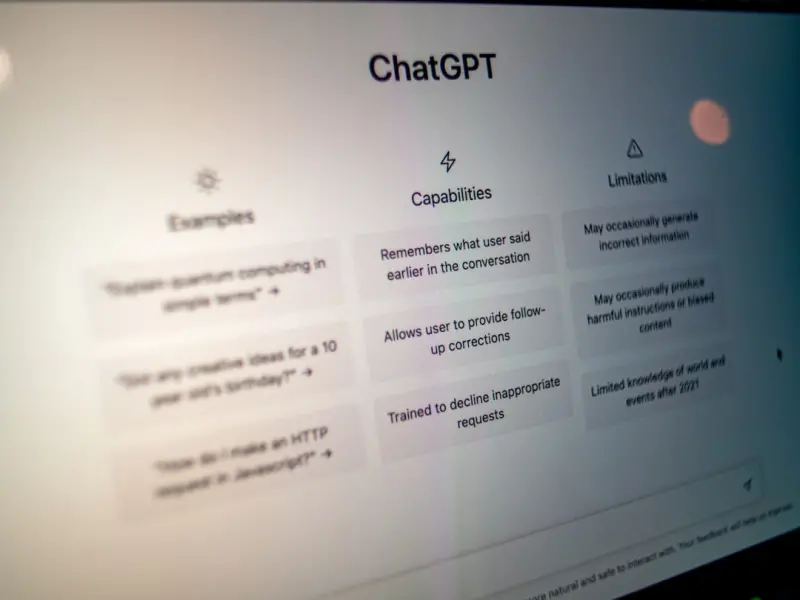
When a customer slides into a chat window, they’re not just asking a question—they’re stepping onto a digital checkout aisle. The era of static product pages is giving way to a new storefront where conversation is the currency, and every typed line can be a bridge to purchase. This is conversational commerce, and it’s reshaping how brands think about the buyer journey.
Why Conversation Beats Clicks
Traditional e‑commerce funnels are linear: awareness → consideration → decision → purchase. But modern shoppers are anything but linear. They bounce between socials, forums, and messaging apps, expecting answers in real time. A well‑crafted chat interaction meets them where they are, reducing friction and injecting personality into the sales process.
- Instant gratification: A quick response satisfies the brain’s dopamine loop, nudging the shopper toward conversion.
- Personalization at scale: AI‑driven bots can reference past purchases, browsing history, and even mood cues, making each dialogue feel tailor‑made.
- Data goldmine: Every exchange adds to a richer customer profile, feeding back into product development and targeted campaigns.
The Anatomy of a Successful Conversational Funnel
Designing a conversation that sells isn’t about dumping product specs into a chat. It’s about weaving a narrative that guides the user naturally toward the finish line.
- Greeting with purpose – A simple “Hi, how can I help you today?” is a missed opportunity. Start with a contextual hook: “Hey Alex, I see you’ve been checking out our eco‑friendly sneakers—need a size guide?”
- Discovery questions – Ask open‑ended queries to surface intent: “What’s the biggest challenge you face with your current running shoes?”
- Solution framing – Position your product as the answer, using the customer’s own language: “Our breathable mesh reduces overheating, which sounds perfect for the long runs you mentioned.”
- Objection handling – Anticipate concerns and address them instantly: “Worried about durability? Our 6‑month warranty covers any wear‑and‑tear.”
- Close with clarity – Offer a single, clear next step: “Would you like me to add the size 10 to your cart now?”
Human‑In‑The‑Loop: When Bots Meet Real People
Automation is powerful, but the human touch remains the secret sauce for high‑value or complex sales. A hybrid model—where AI handles routine queries and hands off to a live rep for nuanced conversations—delivers the best of both worlds.
Consider the distributed workforce hub trend: teams are already collaborating across borders, so integrating live agents into the chat ecosystem feels natural. Agents can see the bot’s transcript, pick up the conversation seamlessly, and add empathy that algorithms still struggle to emulate.
Measuring Success: KPIs That Matter
To prove conversational commerce isn’t just a gimmick, you need robust metrics.
- Response Time: Aim for under 10 seconds for the first reply; latency kills momentum.
- Conversion Rate per Chat: Track the percentage of chats that end in purchase versus overall visits.
- Average Order Value (AOV) uplift: Compare AOV of chat‑initiated sales to baseline.
- Customer Satisfaction (CSAT) score: Post‑interaction surveys reveal sentiment and identify friction points.
- Retention lift: Follow up with repeat purchase rates among customers who engaged via chat.
Choosing the Right Tech Stack
Not every chatbot platform is created equal. Here’s a quick decision matrix to guide your selection:
| Feature | Low‑code builders (e.g., Chatfuel) | Enterprise AI suites (e.g., IBM Watson) | Custom‑coded bots |
|---|---|---|---|
| Speed of deployment | Days | Weeks | Months |
| Scalability | Limited | High | Unlimited (with dev resources) |
| Advanced NLP | Basic | State‑of‑the‑art | Customizable |
| Integration depth (CRM, ERP, analytics) | Shallow | Deep | Custom |
Start small with a low‑code solution for quick wins, then layer in AI capabilities as you gather data and confidence.
Budget Realities: Hidden Costs You Can’t Ignore
It’s easy to focus on the platform price tag, but the hidden expenses of conversational commerce can surprise you. Here are the three most common budget pitfalls:
- Training data acquisition – High‑quality intent libraries often require specialist linguists or crowdsourced labeling.
- Ongoing optimization – Bot performance degrades without continuous monitoring, A/B testing, and iteration.
- Compliance and security – Chat logs contain personal data; you’ll need encryption, consent workflows, and possibly GDPR‑style audits.
Allocate 20‑30 % of your initial spend for these operational costs, and you’ll avoid nasty surprises down the road.
Case Study: A Boutique Skincare Brand’s Chat‑Driven Turnaround
Let’s walk through a real‑world example that illustrates the power of conversational commerce.
- Challenge: The brand saw a 45 % cart abandonment rate on product pages, especially on mobile.
- Solution: They embedded a conversational widget that asked, “Looking for a skin type match? Let’s find your perfect serum.” The bot used a short quiz to recommend a product, then offered a one‑click “Add to Bag” button.
- Result: Cart abandonment dropped to 22 %, average order value rose 18 %, and post‑purchase CSAT scores hit 92 %.
This success hinged on three principles: relevance, speed, and a frictionless hand‑off to a live agent for any lingering doubts.
Future‑Proofing Your Conversational Strategy
As voice assistants, AR overlays, and even holographic interfaces become mainstream, the core idea remains: people want to converse, not click. To stay ahead, embed conversation into every touchpoint:
- Social media DM funnels: Turn Instagram or LinkedIn messages into product demos.
- In‑app chat: Offer contextual help that surfaces at the exact moment a user hesitates.
- Voice commerce: Optimize for natural language queries on Alexa, Google Assistant, and emerging platforms.
By treating conversation as a permanent channel rather than a seasonal experiment, you’ll build a resilient brand experience that adapts to whatever the next tech wave brings.
Action Plan: Get Your Team Conversational in 30 Days
Ready to take the plunge? Here’s a pragmatic, 30‑day roadmap.
- Week 1 – Audit & Goal‑Setting: Map existing touchpoints, identify high‑friction steps, and set measurable KPIs (e.g., 15 % lift in chat‑to‑purchase rate).
- Week 2 – Prototype: Deploy a low‑code bot on a single product page. Include a simple “Ask me anything” prompt and a single CTA.
- Week 3 – Test & Iterate: Collect data, run A/B tests on greeting language, and refine intent mapping based on real queries.
- Week 4 – Scale & Human‑Hand‑Off: Expand the bot to the top 5 traffic pages, integrate with your CRM, and train a small team of agents for seamless escalation.
By the end of the month, you’ll have a live conversational channel that not only answers questions but actively guides shoppers to checkout.
Conversational commerce isn’t a fleeting trend—it’s a fundamental shift in how buying decisions are made. Brands that listen, respond, and adapt in real time will capture the most loyal customers, and they’ll do it while gathering the data that fuels the next wave of personalization. The chat window is no longer a side‑kick; it’s the new storefront.

Related Posts

Why Marketers Must Embrace the Micro‑Ecosystem Revolution
Marketing is no longer about broad ads; it’s a dynamic micro‑ecosystem of influencers, AI, and p... Read More

Micro‑Community Mastery: Turning Niche Audiences into Brand Powerhouses
Learn why micro‑communities are the new marketing goldmine and how to build trust, scale, and mone... Read More

How Voice‑First Experiences Are Redefining Customer Journeys
Voice‑first technology is reshaping how customers engage with brands, offering instant gratificati... Read More
Top Posts

ATV Accidents: Are You Liable For Damages in Ontario?
In Ontario, enjoying the outdoors often involves recreational vehicles like ATVs. However, with the thrill of off-roading comes the responsibility to ensure saf...Read More

AI‑Powered Mixology: How Algorithms Are Shaking Up the Cocktail Scene
Discover the rise of AI‑driven mixology, where data, flavor‑pairing algorithms, and sustainability converge to craft personalized, zero‑waste cocktails th...Read More

Fields of Resilience: A Canadian Farmer’s Perspective on Change and Hope
Rose DesRochers shares her heartfelt, insider perspective on the trials and triumphs of Canadian farmers, highlighting resilience, innovation, and the power of ...Read More

Unlocking Hidden Savings: How to Turn Everyday Routine into a Deal Goldmine
Learn innovative, habit‑forming tactics that turn everyday activities into a steady stream of savings, using tools, community swaps, and smart timing....Read More
0 Comments
Post Comment
You will need to Login or Register to comment on this post!