
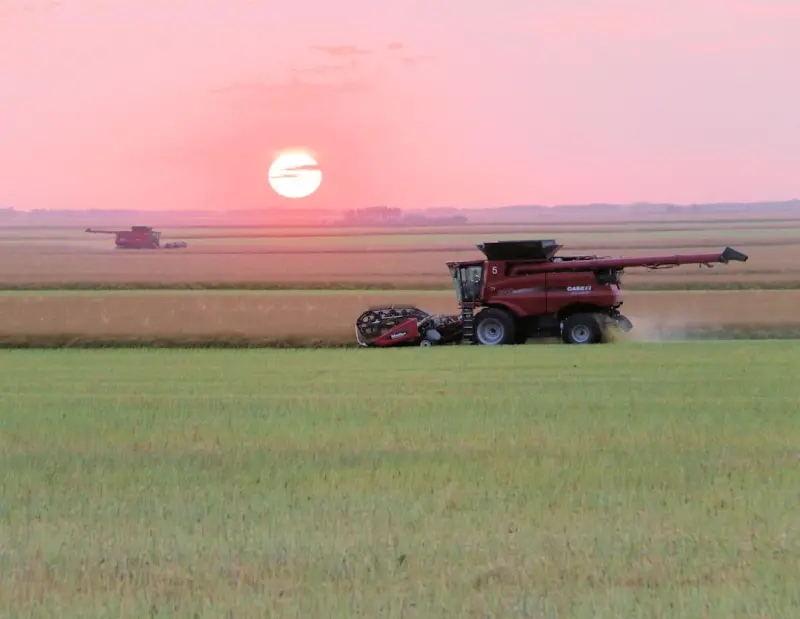
Across the sprawling prairies and rolling hills of Canada, a quiet revolution is unfolding as farmers look beyond traditional crops to the power of the sun, wind, and waste. The modern farm is no longer just a place to grow food; it is becoming a multi‑purpose energy hub that can generate electricity, reduce operating costs, and provide a new revenue stream for families who have tended the land for generations. By integrating renewable technologies, Canadian growers are not only cutting emissions but also building a more resilient economic future for rural communities.
Why Energy Matters to Modern Farms
The cost of diesel for machinery, the price of grid electricity, and the volatility of fuel markets have long been a hidden drain on farm profitability, forcing producers to allocate a sizable portion of their margins to keep the lights on. As climate pressures intensify, the need for reliable, low‑carbon power sources becomes a strategic priority rather than an optional add‑on. Investing in renewable energy therefore serves a dual purpose: it shields farmers from price spikes while aligning their operations with national climate goals.
Solar Fields Meet Crop Fields
Photovoltaic panels are sprouting alongside corn rows and soybean plots, turning otherwise idle acreage into productive solar farms that coexist with traditional agriculture. Advances in agrivoltaic design allow sunlight to filter through elevated panels, delivering enough light for crops below while capturing excess energy for the grid or on‑site storage. This symbiotic setup not only boosts farm income but also demonstrates how regenerative practices can be paired with clean power generation for a healthier ecosystem.
Wind Turbines on the Prairie
The open, breezy expanses of the Canadian Prairies provide ideal conditions for wind turbines, and many family farms are leasing land to utility companies or installing their own small‑scale turbines. A single turbine can generate enough electricity to power a medium‑size farm, offsetting the energy demand of irrigation pumps, grain dryers, and processing equipment. By participating in wind projects, farmers diversify income, create local jobs, and contribute to a national push for greener electricity.
Bioenergy from Agricultural Waste
Every harvest leaves behind a wealth of organic residue—stalks, husks, and animal manure—that traditionally ends up as low‑value feed or is burned, releasing carbon. Innovative bioenergy systems now convert this waste into biogas or bio‑oil, which can be used to fuel farm equipment or sold to nearby municipalities for heating. Turning waste into fuel closes the loop on resource use, turning a disposal problem into a profitable, low‑carbon energy source.
Community Energy Co‑ops
Across Ontario and the Atlantic provinces, farmer‑led energy co‑operatives are pooling resources to build shared solar arrays, wind farms, and battery storage facilities that benefit all members. These co‑ops not only lower the upfront cost for individual farms but also give rural residents a direct stake in the clean‑energy transition. Such collaboration mirrors the spirit of community‑driven climate hubs, where local expertise and collective action drive sustainable outcomes.
Policy Support and Incentives
Federal and provincial governments have introduced a suite of incentives—tax credits, feed‑in tariffs, and grant programs—to accelerate renewable adoption on agricultural land. Programs like the Canada‑wide Green Agricultural Initiative provide funding for feasibility studies, equipment purchase, and training, reducing the financial barrier for smaller farms. Staying informed about these policies enables growers to capitalize on subsidies that make the economics of clean energy projects increasingly attractive.
Challenges and Future Outlook
While the promise of farm‑generated renewable energy is compelling, obstacles such as high upfront capital, grid interconnection complexities, and the need for technical expertise can slow progress. Farmers must navigate permitting processes and balance land‑use priorities, ensuring that energy installations do not compromise crop yields or biodiversity. Nonetheless, as technology costs continue to fall and market demand for green power rises, the outlook remains bright for farms that embrace the dual role of food producers and energy generators.
Looking ahead, the integration of renewable energy into Canadian agriculture will reshape rural economies, foster greater energy independence, and set a benchmark for sustainable food systems worldwide. By turning fields into power stations, farmers are planting the seeds of a cleaner, more prosperous future—one that honors the land’s bounty while harnessing its abundant natural forces.

Related Posts

Fields as Futures: Canadian Farmers Turning Their Land into Community Hubs
Canadian farmers are redefining their role by transforming fields into vibrant community hubs, offer... Read More
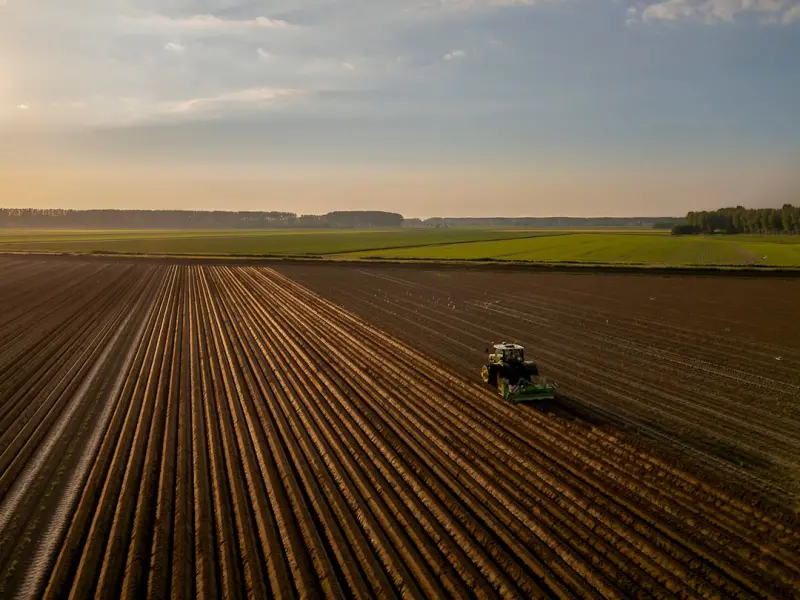
Cultivating Resilience: How Canadian Farmers Are Rewriting Rural Well‑Being
Canadian farmers are redefining resilience by addressing mental health, forming cooperative networks... Read More
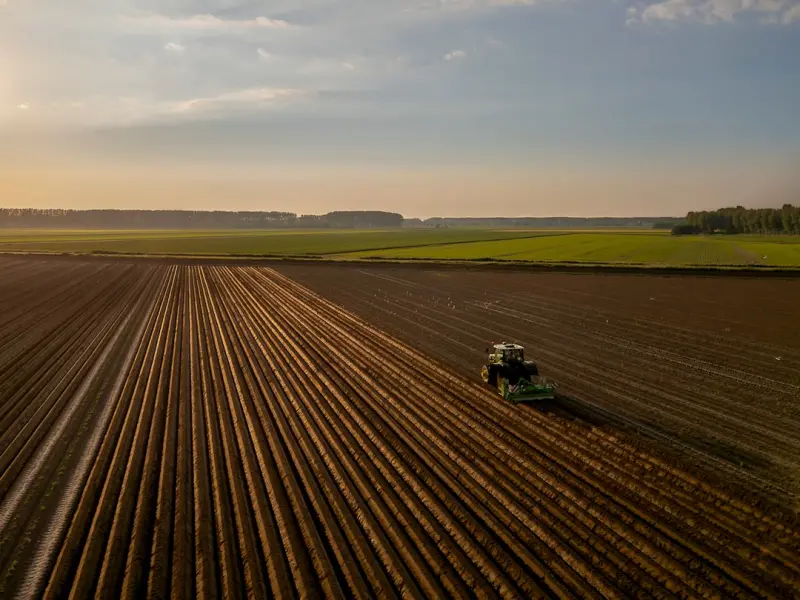
Cultivating Change: A Canadian Farmer’s Journey into Regenerative Agriculture
A first‑hand account of how a Canadian farmer transforms his land with regenerative practices, boo... Read More
Top Posts
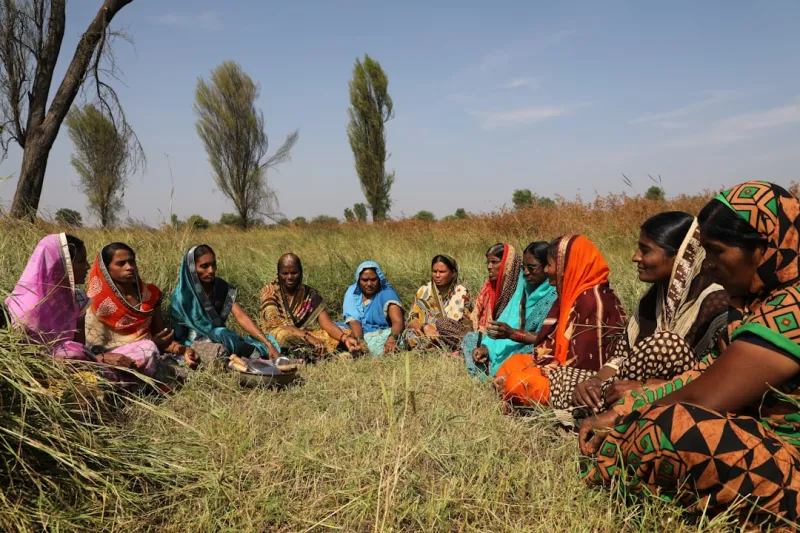
The Unseen Struggles of Mental Health in Rural Canada
Rural Canadians face unique challenges when it comes to mental health, from isolation and lack of anonymity to limited access to resources. Learn more about the...Read More

Carbon Pricing as Canada’s New Political Compass
Carbon pricing is more than a fiscal tool—it’s a political catalyst. This deep dive examines how Canada’s carbon price influences provincial power dynamic...Read More

School Bus Driver Removed After Wearing Schoolgirl Uniform and Displaying "Lolita's Line" Sign
A school bus driver in Vaughan, Ontario, will no longer be employed by the York Catholic District School Board (YCDSB) following a disturbing incident that spar...Read More

Digital Twins: The New Business Engine
Digital twins are reshaping how companies run their operations, offering real‑time simulations that cut costs, reduce risk, and drive new revenue streams. Thi...Read More
0 Comments
Post Comment
You will need to Login or Register to comment on this post!