

Why Remote Work Is Redrawing the Cost‑of‑Living Map
When I first left the corporate office for a home‑based desk, the biggest surprise wasn’t the freedom to wear slippers during meetings—it was how dramatically my monthly expenses shifted. No longer tethered to a city‑center rent, I found myself paying less for housing, but more for broadband, home office gear, and even a higher electricity bill. The ripple effect of remote work is rewriting the traditional cost‑of‑living equation, and businesses that ignore this new reality risk falling behind.
The Housing Paradigm: From Downtown High‑Rise to Suburban Spread
For decades, “location, location, location” was the mantra that drove salaries, commuting patterns, and even lifestyle choices. With remote work now entrenched, that mantra is losing its grip. Professionals are swapping cramped downtown apartments for larger homes in the suburbs or even rural areas where the cost per square foot can be up to 70 % lower. This shift isn’t just a personal finance story; it’s reshaping local economies, tax bases, and the demand for services.
- Rent elasticity: Landlords in high‑cost metros are seeing longer vacancy periods, prompting them to offer incentives that thin out profit margins.
- Home‑ownership surge: First‑time buyers are entering markets that were previously out of reach, driving up property values in once‑affordable towns.
- Infrastructure strain: Smaller municipalities must now upgrade roads, schools, and utilities to accommodate an influx of new residents.
Utilities and the Hidden Energy Bill
Working from home transforms your living room into a 24‑hour data center. The energy consumption of a single laptop is modest, but when you add multiple monitors, a high‑performance router, and climate control to keep you comfortable, the utility bill can climb 30‑40 %.
Smart‑meter data shows that average residential electricity usage spikes between 8 am and 6 pm on weekdays, aligning with typical office hours. Companies can help offset this by providing stipends for energy‑efficient equipment or negotiating bulk rates with local utilities.
Broadband: The New Essential Service
Never before has a reliable internet connection been as critical as it is today. The emerging tariff policies that affect cross‑border data flows are directly influencing the cost and quality of broadband for remote workers. In regions where telecom competition is limited, households face higher prices and slower speeds, effectively increasing the “digital rent” they pay each month.
Enterprises can mitigate this by:
- Offering monthly reimbursements for high‑speed internet plans.
- Partnering with ISPs to secure corporate‑grade connections for remote teams.
- Providing equipment like mesh Wi‑Fi systems to improve coverage in larger homes.
Food, Groceries, and the Kitchen Economy
Without daily lunches out or cafeteria meals, remote workers are cooking more at home. This can be a cost saver, but only if you shop smart. Bulk buying, meal planning, and leveraging community-supported agriculture (CSA) programs can reduce grocery bills by up to 20 %.
However, the convenience economy—meal kits, on‑demand grocery delivery, and subscription snack boxes—adds a premium. Companies that provide a food allowance often see higher employee satisfaction, but they must balance that with the risk of inflating overall compensation costs.
Transportation: The Savings That Aren’t Always Savings
Eliminating the daily commute saves on fuel, public transit passes, and vehicle wear‑and‑tear. Yet, many remote workers invest in “commuting substitutes” such as occasional coworking space rentals, weekend road trips, or even a second car for family use. These expenses can partially erode the perceived savings.
Understanding the true net effect requires a granular analysis of:
- Monthly commuter costs pre‑remote.
- Coworking or satellite office fees.
- Vehicle ownership and insurance changes.
Health & Wellness: From Gym Memberships to Home Fitness
The pandemic accelerated the home‑gym boom. While many have saved on gym dues, they now allocate funds toward equipment, virtual class subscriptions, and ergonomic office furniture. Employers that subsidize wellness allowances—whether for a standing desk or a meditation app—can offset these personal costs while boosting productivity.
The Tax Landscape: New Deductions and Complexities
Remote work blurs the line between personal and business expenses, creating both opportunities and compliance challenges. In some jurisdictions, employees can claim a portion of home‑related expenses—mortgage interest, property taxes, utilities—as a work‑from‑home deduction. However, the rules vary widely, and improper claims can trigger audits.
Companies can support their workforce by providing clear guidelines, offering tax‑prep assistance, or partnering with payroll services that automatically calculate eligible reimbursements.
Digital Security: The Cost of Protecting a Distributed Workforce
Every device that connects from a home network expands the attack surface. Investing in cyber resilience isn’t optional; it’s a direct cost of remote work. Companies must budget for:
- Endpoint protection platforms (EPP) and secure VPN solutions.
- Regular security awareness training tailored to home‑office scenarios.
- Incident response plans that account for decentralized data sources.
While these measures represent upfront expenses, they can prevent far more costly breaches that jeopardize both financial stability and brand reputation.
Psychological Cost: The Invisible Price Tag
Beyond the ledger, remote work brings hidden mental‑health costs: isolation, blurred work‑life boundaries, and “Zoom fatigue.” Companies that neglect these factors may see higher turnover, lower engagement, and increased sick‑leave costs. Investing in mental‑wellness programs, virtual social events, and clear expectations around “offline” time pays dividends in retention and morale.
Strategic Takeaways for Leaders
To turn the evolving cost‑of‑living landscape into a competitive advantage, leaders should adopt a holistic approach:
- Map Employee Expenses: Conduct surveys to understand the new cost drivers for remote staff and quantify potential savings or additional burdens.
- Adjust Compensation Models: Consider location‑based salary adjustments, stipends, or flexible benefits that reflect real‑world expenses.
- Leverage Data: Use analytics to monitor utility usage, broadband performance, and security incidents across the distributed workforce.
- Partner Strategically: Negotiate with service providers—ISPs, coworking operators, wellness platforms—to secure bulk rates that benefit both the company and its employees.
- Communicate Transparently: Clearly explain how compensation, benefits, and allowances are calibrated to the remote cost structure.
Looking Ahead: The Long‑Term Cost‑of‑Living Equation
Remote work isn’t a temporary blip; it’s a structural shift. As more organizations adopt hybrid or fully remote models, the cost‑of‑living calculus will keep evolving. Cities may reinvent themselves to attract residents with cultural amenities, while rural regions invest in broadband and transportation links. Meanwhile, employees will become savvier about negotiating packages that truly reflect their lived expenses.
For businesses, the message is clear: adapt your compensation strategy, invest in the tools that keep remote teams productive and secure, and recognize that the “cost of living” now includes a digital dimension that extends far beyond rent and groceries.

Related Posts

The Home Office Tax: Unpacking the Real Cost of Working From Your Living Room
Remote work feels like a money‑saving win—until you tally the hidden utility, internet, and soft... Read More

How Community Power Can Slash Your Household Expenses
A deep dive into turning energy expenses from a hidden budget drain into a strategic advantage using... Read More
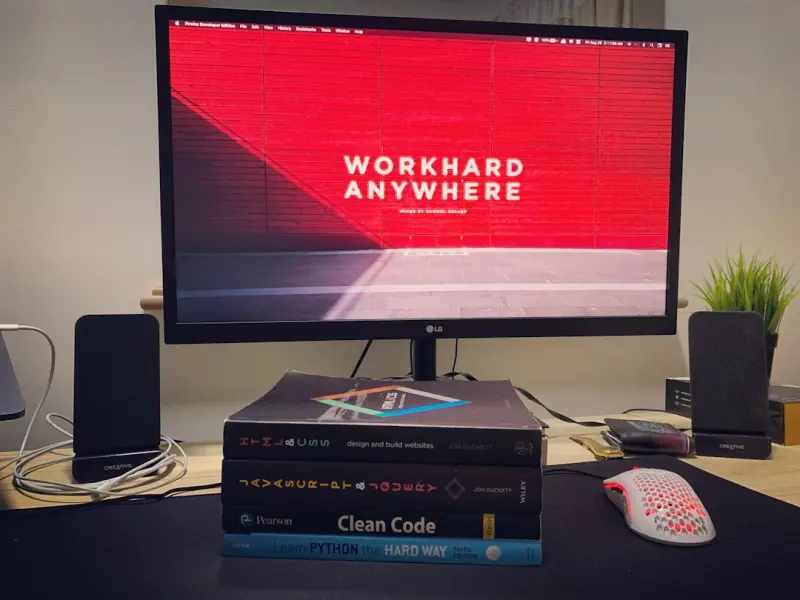
Why Working From Anywhere Isn’t the Budget‑Boost Everyone Assumes
Why Working From Anywhere Isn’t the Budget‑Boost Everyone Assumes When I first swapped the daily... Read More
Top Posts

Discovering Toronto: Your Ultimate Summer Getaway Guide
With travel plans shifting and a desire for accessible adventures, Ontario residents are rediscovering the charm of their own province. And at the heart of it a...Read More

Dive into Fun: Essential Tips for Visiting Ripley's Aquarium of Canada in Toronto
Ripley's Aquarium of Canada, nestled in the heart of downtown Toronto, offers an immersive and captivating journey into the underwater world. From mesmerizing j...Read More

The Rise of Immersive Theatre: How Canada Is Redefining Live Entertainment
Canada’s live entertainment is evolving—interactive theatre, pop‑up stages, and AR‑enhanced performances are turning audiences into active participants,...Read More

The Unseen Wallet Drain of Modern Mobility
Discover how daily commuting silently erodes your finances and wellbeing, and get actionable tips to reclaim control over your mobility budget....Read More
0 Comments
Post Comment
You will need to Login or Register to comment on this post!